World
Japan eyes $2.3 trillion investment push across 17 strategic sectors
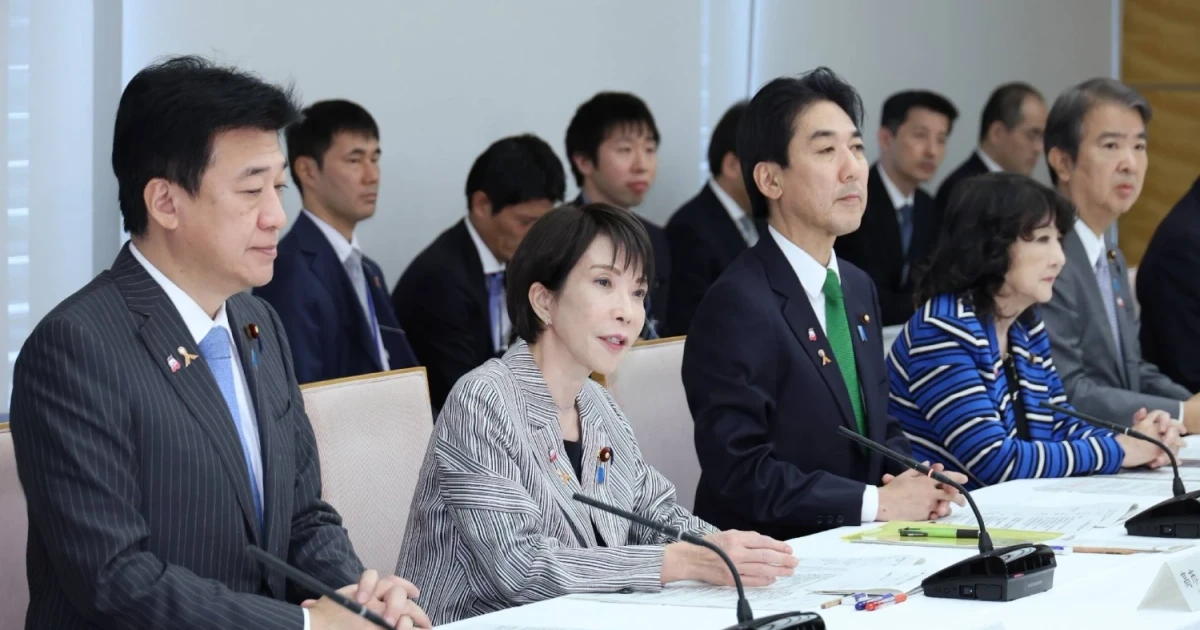
Japan is preparing its biggest industrial-policy wager in years: about $2.3 trillion in combined public and private investment by 2040 across 17 strategic sectors. The plan, tied to Prime Minister Sanae Takaichi's new growth strategy, is meant to steer capital toward areas Tokyo sees as central to resilience and competitiveness, from AI and semiconductors to shipbuilding, quantum technology, biotechnology, aviation and space, and cybersecurity.
The machinery has been building for months. Takaichi held the first meeting of the Headquarters for Japan’s Growth Strategy on Nov. 4, 2025, then convened the Council for Japan’s Growth Strategy on Nov. 10, asking ministers to secure supplementary budgets and the tax tools needed to support the effort. By March 10, 2026, the council had identified key products and technologies in the 17 fields and moved ahead on a Public-Private Investment Roadmap.

The sector list matters because it shows this is not a broad promise to spend more, but an attempt to direct money toward specific bottlenecks in the economy. Later government statements added fusion, drug discovery, critical materials and supply-chain support to the mix, signaling that Tokyo wants to back both frontier technologies and the materials and industrial networks that make them deployable. The public-private structure is also deliberate: the state is not expected to pay the full bill, but to create conditions that pull in far larger sums of corporate capital.

That is why the headline invites comparisons with the more interventionist industrial policies now common in Washington, Beijing and European capitals. Japan is trying to use the same playbook, state direction backed by private money, to address vulnerabilities that have accumulated over decades: weak productivity, demographic decline and an economy still shaped by the burst asset bubble. Macquarie noted on June 15, 2026, that Japan’s nominal GDP failed to grow for nearly two decades after that collapse and that a shrinking working-age population remains a structural drag.
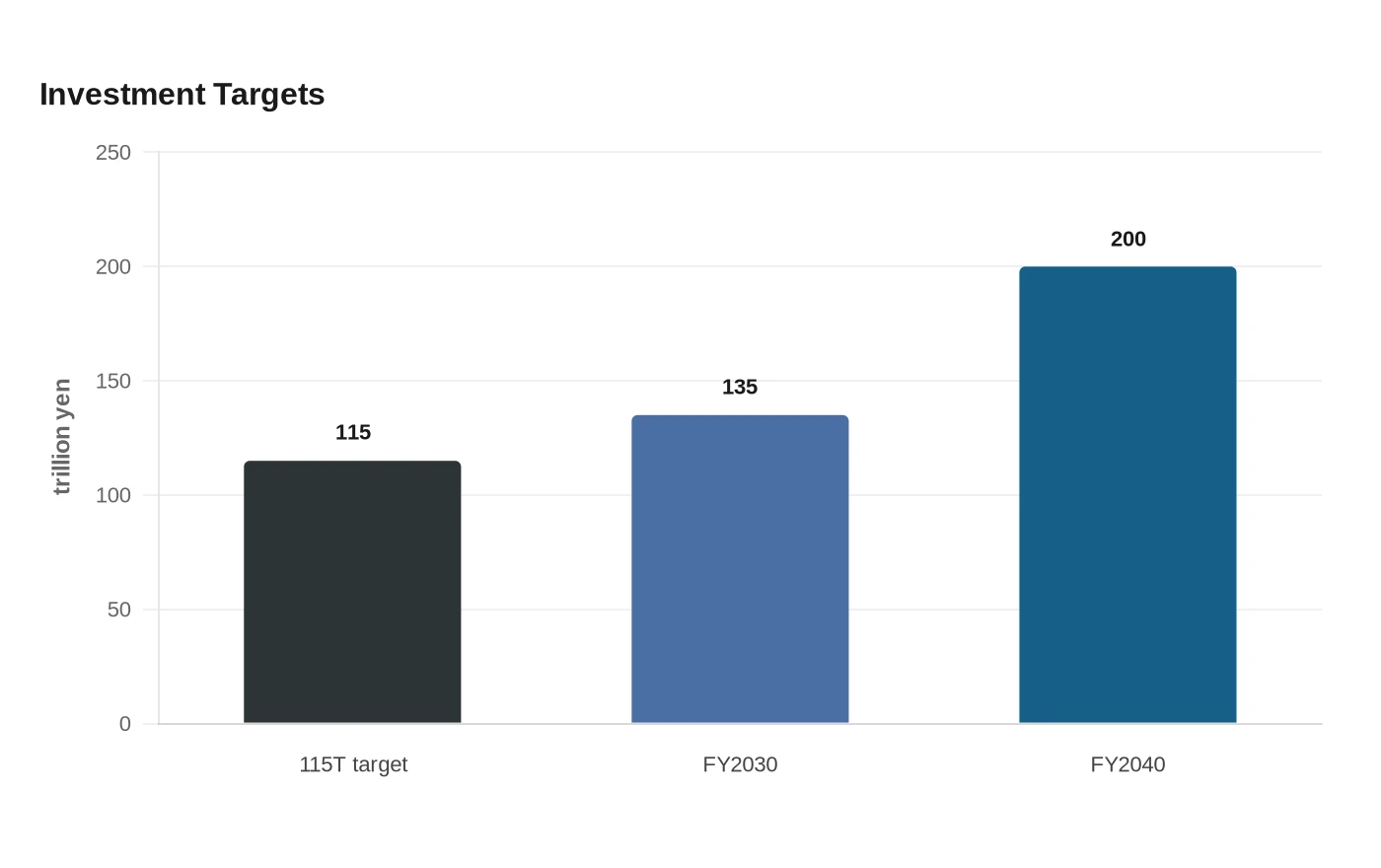
The scale also builds on existing targets rather than replacing them. METI’s Fourth Report projected a new-direction scenario in which domestic investment reaches 200 trillion yen in fiscal 2040, while Keidanren chairman Tokura said in January that business wanted to move beyond a 115 trillion yen domestic-investment target and aim for 135 trillion yen in fiscal 2030 and 200 trillion yen in fiscal 2040. Recent sentiment data suggest some opening for the plan: manufacturers’ confidence rose to plus 13 in June from plus 8, and the chemicals index climbed to plus 20 from plus 6, helped by semiconductor demand. Whether that momentum lasts will determine if Japan’s new investment push becomes a durable reset or another ambitious number.
Sources
- [1]money.usnews.com
- [2]japan.kantei.go.jp
- [3]meti.go.jp
- [4]macquarie.com
- [5]kelo.com