Business
Japan, India deepen ties with green ammonia and mineral security plan
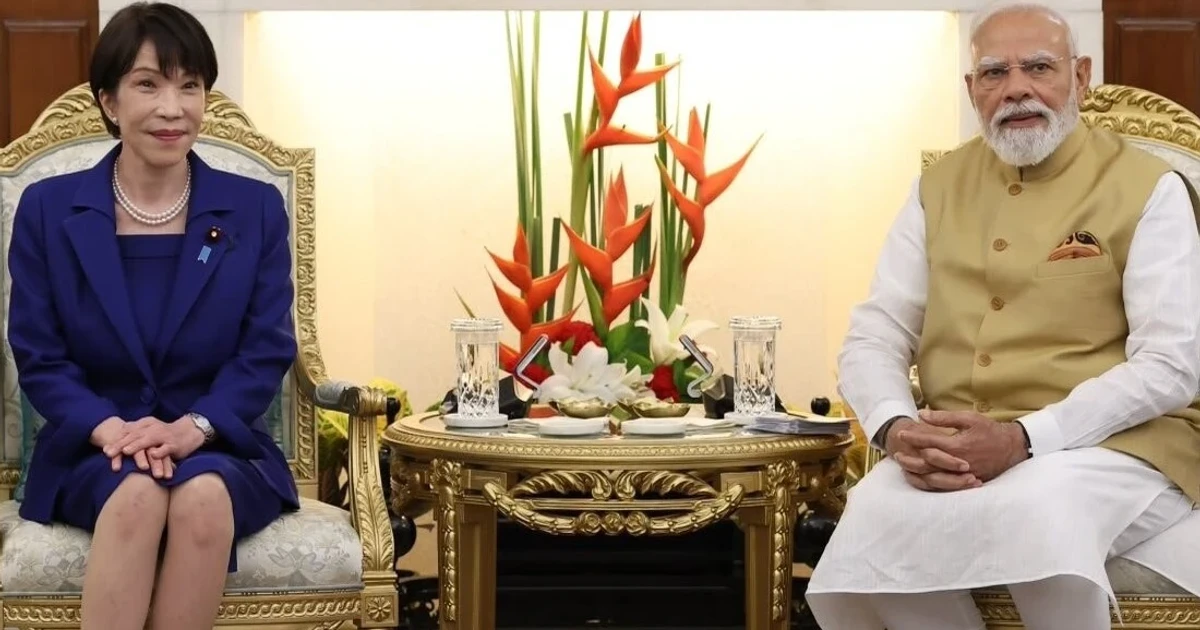
Japan and India moved to fold clean-fuel production and mineral security into a wider supply-chain strategy as Prime Minister Sanae Takaichi unveiled a plan for Japanese and Indian companies to produce about 400,000 tons of green ammonia a year from renewable-powered hydrogen. The initiative, announced during the 16th Japan-India Annual Summit in New Delhi, placed batteries, semiconductors, electric vehicles and industrial manufacturing inside the same bilateral framework as energy security.
Takaichi’s first official visit to India from July 1 to 3 came as she and Prime Minister Narendra Modi used the summit to elevate cooperation across defense and security, economic partnership, energy resilience, technology and innovation, and people-to-people exchanges. Their joint statement called the two countries “natural and indispensable partners” in an increasingly volatile and uncertain geopolitical environment.
The energy side of the deal was framed as more than a climate pledge. In a separate statement on energy resilience, Japan and India said they would work together as responsible powers and major energy-consuming countries in Asia to strengthen supplies through strategic stockpiling, market stabilization, third-country energy supplies, upstream investments and more resilient maritime transport of oil and gas. That language shows how the two governments are trying to build buffers against shocks from the Middle East and wider disruptions linked to China.
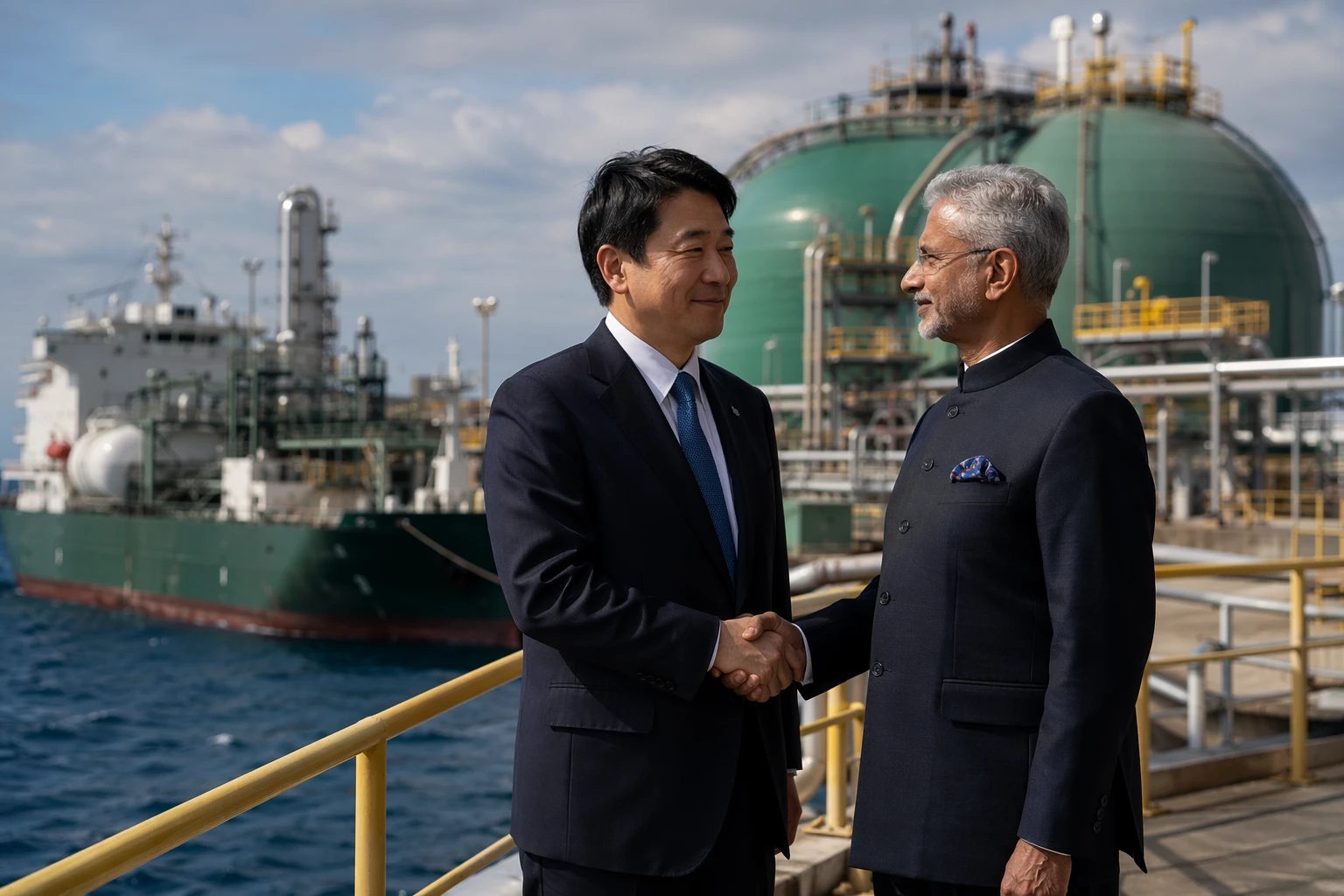
Critical minerals are the other pillar. Japan and India have already been building an economic-security track since the first round of the Dialogue on Economic Security including Strategic Trade and Technology launched in November 2024. An August 29, 2025 Indian government fact sheet named semiconductors, critical minerals, pharmaceuticals, clean energy and ICT as priority sectors, and the latest summit pushed that agenda toward implementation.
A draft declaration reported by The Japan News said the Japan Organization for Metals and Energy Security and India’s Geological Survey of India planned a memorandum on technical cooperation and mineral exploration. The same draft said Tokyo and New Delhi would sign a memorandum to strengthen battery supply chains, a sign that the partnership is moving beyond broad policy alignment into the upstream materials and midstream components that matter most for EVs and electronics.
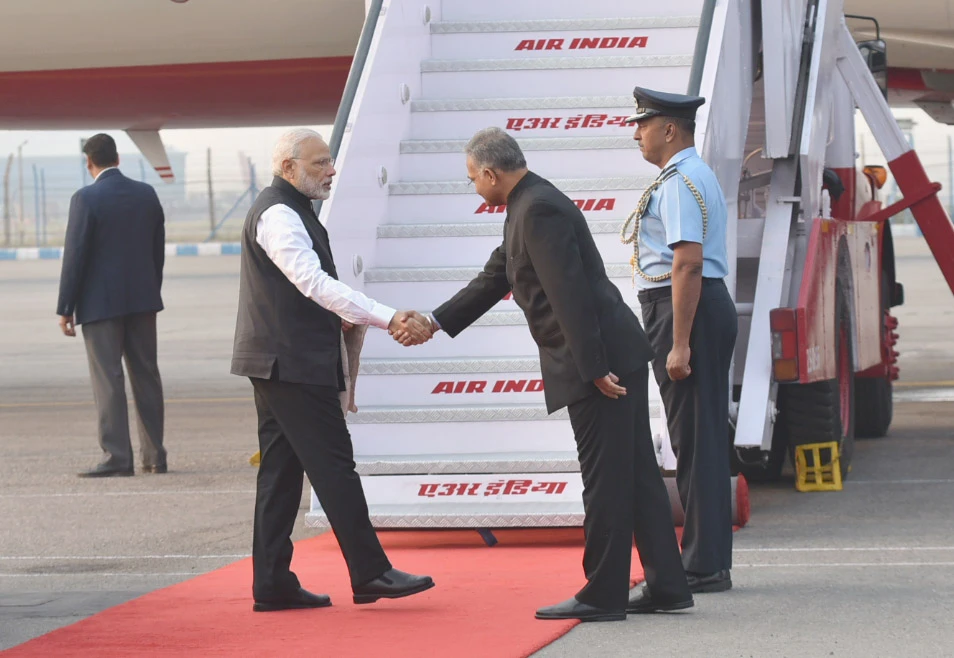
The commercial backdrop was substantial. Reported summit outcomes included 129 private-sector cooperation agreements worth more than JPY 2 trillion, underscoring that government coordination was being matched by corporate capital. The five priority sectors in the draft declaration were semiconductors, critical minerals, clean energy such as ammonia, ICT such as undersea cables and pharmaceuticals, a list that captures the industrial architecture both countries want to harden against supply-chain coercion and arbitrary export restrictions.
For Japan, the push fits a broader effort to secure energy inputs and diversify away from concentrated suppliers. For India, it supports the drive to pull foreign capital and technology into domestic manufacturing and clean-energy growth. The result is a partnership that is no longer just diplomatic alignment, but an attempt to redesign the supply chains behind Asia’s next industrial cycle.
Sources
- [1]japannews.yomiuri.co.jp
- [2]mofa.go.jp
- [3]meti.go.jp
- [4]pmindia.gov.in