Business
Japan manufacturers upbeat for fifth quarter, but inflation pressure grows
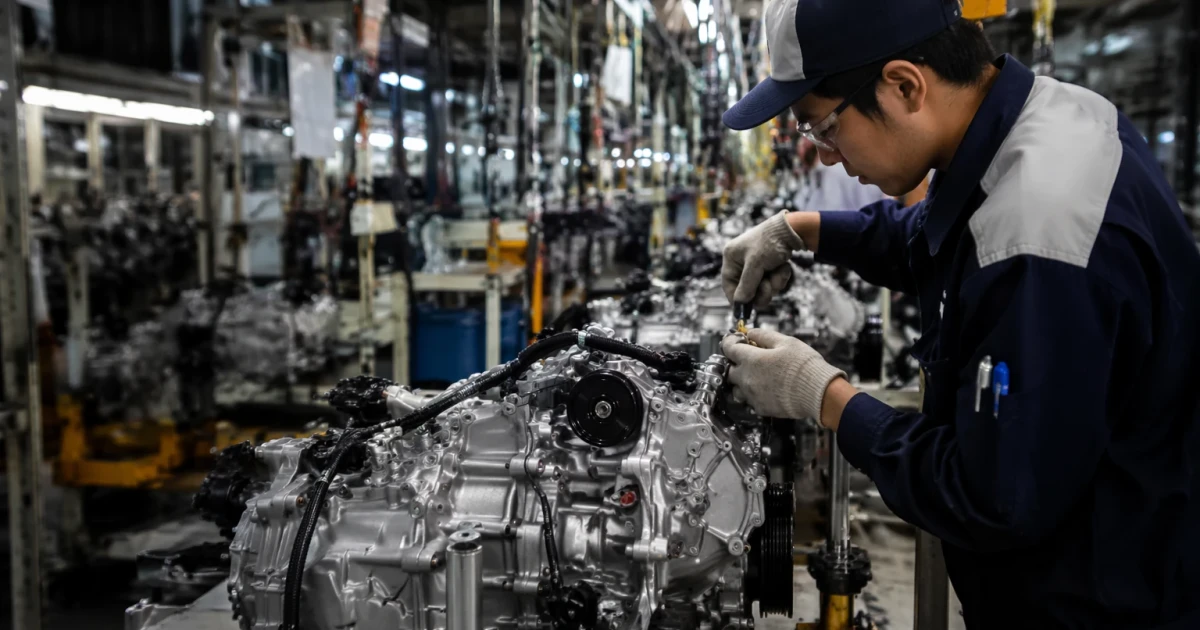
Japan’s large manufacturers turned more upbeat for a fifth straight quarter, yet the latest Bank of Japan survey also showed how narrow that recovery remains. The central bank’s quarterly tankan put the diffusion index for major manufacturers at 22 in June, up from 17 in the previous quarter, while the index for large nonmanufacturers, including services, rose only slightly to 37 from 36.
The tankan is one of Japan’s sharpest gauges of corporate confidence because it measures the balance between companies seeing business conditions as favorable and those seeing them as unfavorable. This latest reading points to still-solid sentiment at the country’s biggest firms, but not a broad surge. The improvement came as fuel prices tied to the Iran war added to inflation pressure, even after crude prices eased when the United States and Iran agreed to an interim deal ending the conflict.
That matters more in Japan than in many other major economies because the country imports nearly all of its oil and gas. A weaker yen makes those imports more expensive, even as it boosts the yen value of overseas earnings for exporters. The dollar was trading near 162 yen, close to a 40-year low for the Japanese currency, keeping imported energy and other materials under pressure for manufacturers that depend on global supply chains.

The Bank of Japan has been trying to normalize policy after years of near-zero or negative rates, and it recently lifted its benchmark interest rate to 1%, a three-decade high. Even with that shift, investment activity has remained relatively resilient, helped by firms that are still willing to spend on capacity and equipment. The survey suggested fixed investment plans were stronger for large and mid-size companies than for smaller ones, underscoring the gap between Japan’s biggest exporters and the rest of corporate Japan.
Naomi Fink of Amova Asset Management said sales remained firm, especially for large firms, but profits are expected to weaken if energy costs stay elevated and the yen remains under pressure. That tension runs through Japan’s economy: companies are still expanding, but they are doing so in an environment shaped by war-driven energy costs, exchange-rate strain and the harder task of sustaining growth in an aging society with a chronic labor shortage.
Sources
- [1]usnews.com