Business
Japan manufacturing growth hits four-year high as demand surges

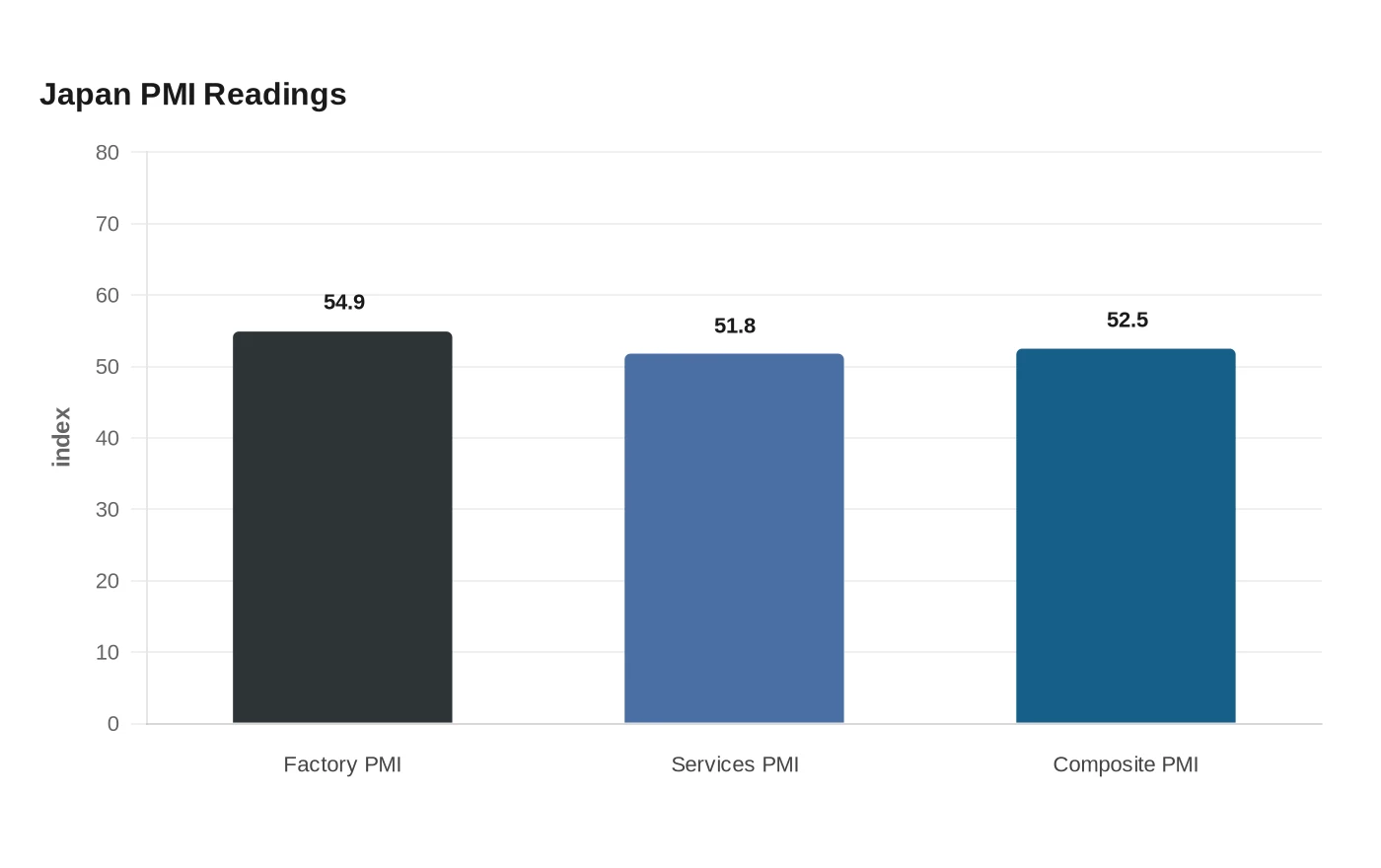
Japan’s manufacturing sector strengthened in June, with the flash factory purchasing managers’ index rising to 54.9 from 54.5 in May and new orders expanding at their fastest pace in more than four years. The reading marked a sixth straight month of factory growth and kept Japan comfortably above the 50 threshold that separates expansion from contraction.
The data point to broadening momentum across the private sector. Factory output increased at a slightly quicker pace, manufacturing employment rose at the fastest rate in more than eight years, and the flash services PMI climbed to 51.8 from 50.0 after pausing in May. That lifted the composite PMI to 52.5 from 51.1, the strongest overall business activity growth since the outbreak of war in the Middle East, according to the survey release.
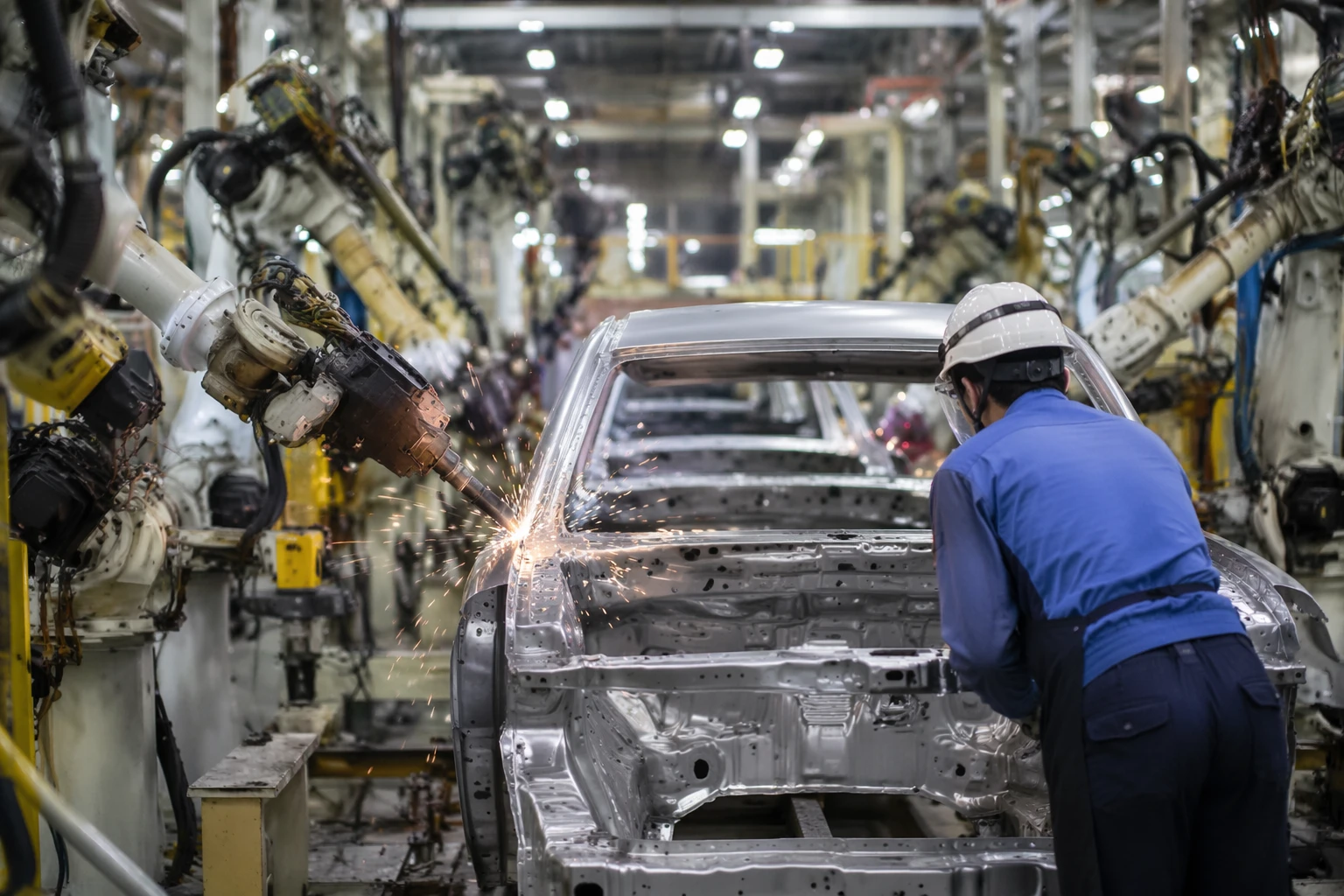
A more important detail for economists is that the recovery was not only domestic. New export business expanded for the first time since the start of 2022, suggesting the demand pickup reached beyond Japan’s home market. That matters for a country where manufacturing still anchors export earnings, corporate capital spending and hiring decisions, especially in sectors tied to global trade, automobiles and industrial equipment.
Even so, the surge in orders may not be a clean signal of lasting strength. Annabel Fiddes said part of the pickup appeared to reflect stockpiling as customers tried to get ahead of supply disruptions and higher prices, and she warned that effect is likely to fade in the months ahead. Input and output inflation eased but remained near their highest levels since late 2022, leaving manufacturers exposed to elevated energy, fuel and raw-material costs linked to the Iran war.
The June flash data were collected between June 9 and June 20, giving the survey a near-real-time reading of Japan’s momentum as the Bank of Japan tightened policy. On June 16, the central bank raised its policy rate to 1.0 percent in a 7-1 vote, the highest since September 1995, citing inflation risks and the weak yen. With Deputy Governor Ryozo Himino signaling that officials will keep lifting rates while watching for inflation to overshoot the 2 percent target, the latest PMI figures strengthen the case for caution rather than pause. Japan entered the third quarter with healthier factory demand, but the durability of that gain will depend on exports, currency pressures and whether stockpiling gives way to softer orders later in the year.
Sources
- [1]wifc.com
- [2]whbl.com
- [3]pmi.spglobal.com
- [4]boj.or.jp
- [5]money.usnews.com
- [6]msn.com