World
Japan plans Greenland visit to explore rare earth mining opportunities
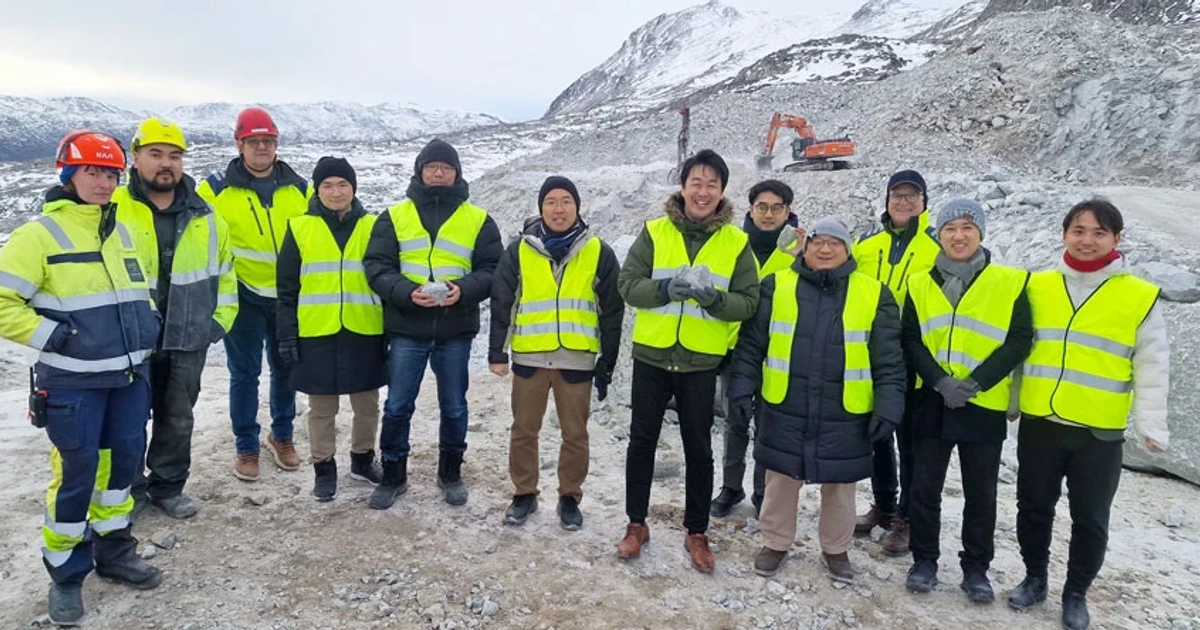
Japan is preparing to send a delegation to Greenland to examine possible rare earth extraction, a move that turns a distant Arctic territory into a test of supply-chain security. The delegation is expected to include officials from Japan’s Ministry of Economy, Trade and Industry, trading companies and the Japan Organization for Metals and Energy Security, underscoring how closely Tokyo is tying minerals policy to industrial strategy.
The visit comes as Greenland has become a geopolitical focal point because of its strategic location and potential rare earth reserves. Greenland is an autonomous territory within the Danish kingdom, which means any major resource project there carries diplomatic, environmental and sovereignty questions that go far beyond geology. The island’s profile rose further after the White House said in January that President Donald Trump was considering how to acquire Greenland, a suggestion that alarmed NATO allies in Europe.
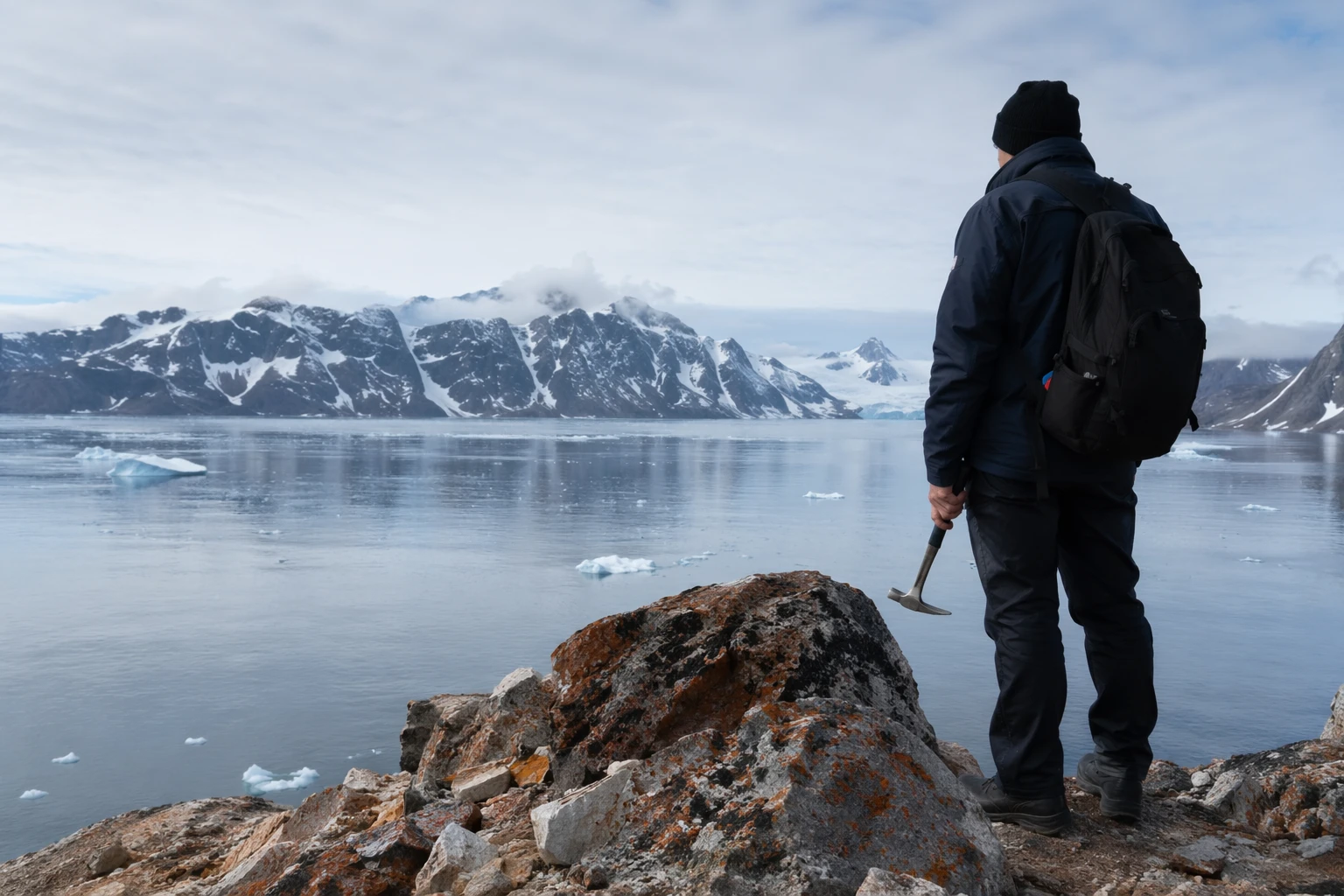
Japan’s interest makes sense in the wider contest over critical minerals. Rare earths are essential for electric vehicles, smartphones, defense systems and other advanced technologies, yet the U.S. Geological Survey says these 17 elements, while relatively abundant in the Earth’s crust, are found in mineable concentrations far less often. The same agency said U.S. imports of rare-earth compounds and metals were valued at $165 million in 2025, and China has supplied the majority of those imports in recent years, showing why Japan and other countries are trying to reduce dependence on Chinese processing and refining.
Greenland’s rare-earth prospects are also shaped by local political and environmental limits. The island reinstated a uranium mining ban in 2021, a policy that has complicated development at the Kvanefjeld project in southern Greenland, one of the world’s largest undeveloped rare-earth deposits. In 2026, Greenland’s government signaled it intended to reject renewal of Energy Transition Minerals’ Kvanefjeld exploration licence, saying continued exploration no longer served a purpose because an exploitation licence could not be granted under the current legal framework.
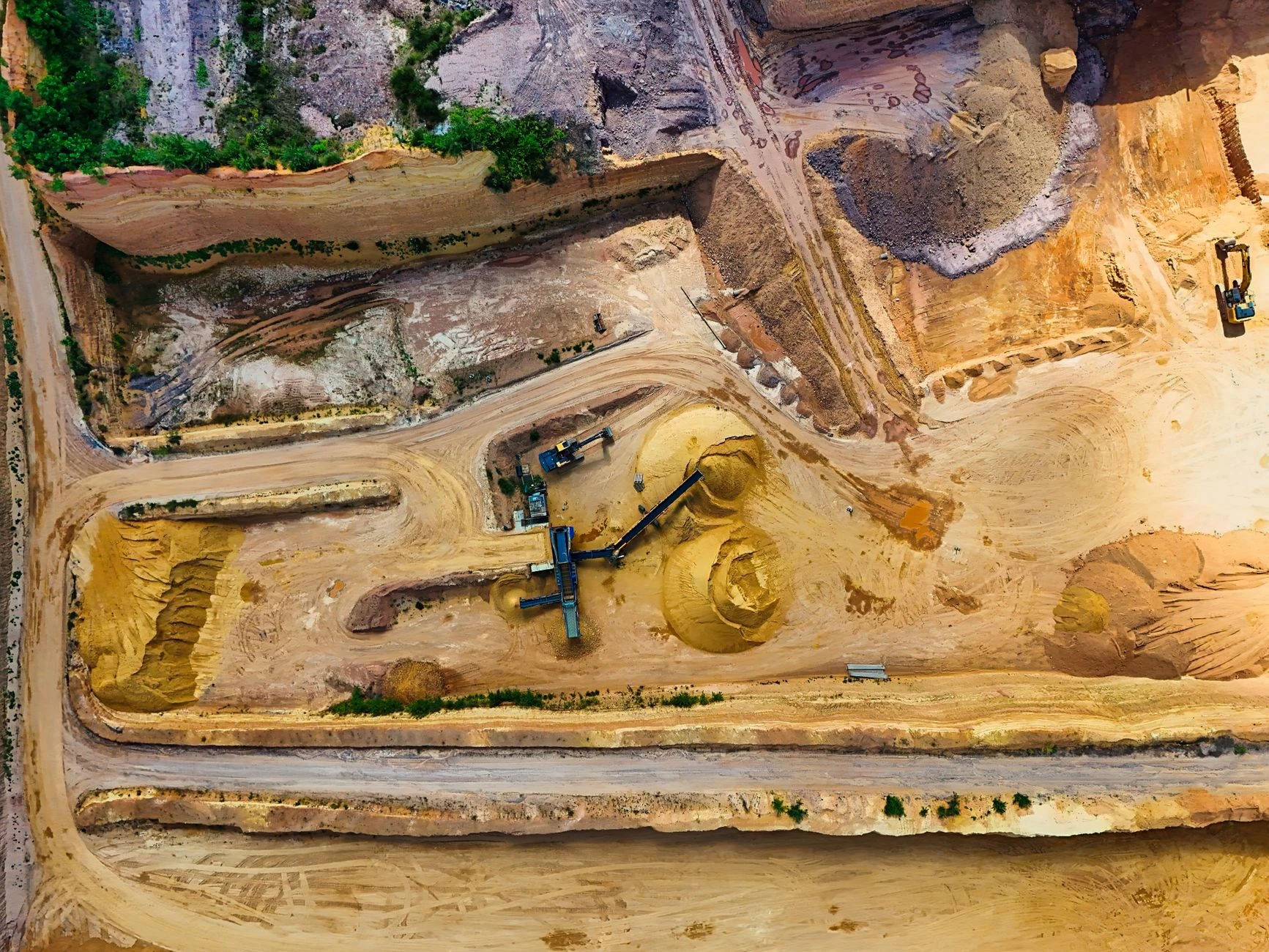
Pressure around Greenland’s mineral assets has been building for years. In January 2025, U.S. and Danish officials lobbied the developer of Greenland’s largest rare-earth deposit, Tanbreez Mining, not to sell to firms linked to China. That kind of intervention shows how mineral access has become inseparable from broader alliance politics.
For Japan, the Greenland trip is likely to be as much about permitting, infrastructure and political risk as about ore samples. Any future deal would have to clear Greenlandic scrutiny, Danish sovereignty concerns and environmental limits, while fitting into a global race to secure the materials that underpin the clean-energy and defense economies.
Sources
- [1]usnews.com
- [2]pubs.usgs.gov
- [3]arctictoday.com
- [4]nucnet.org
- [5]caliber.az