World
Japan protests Chinese live-fire drill near remote island in EEZ
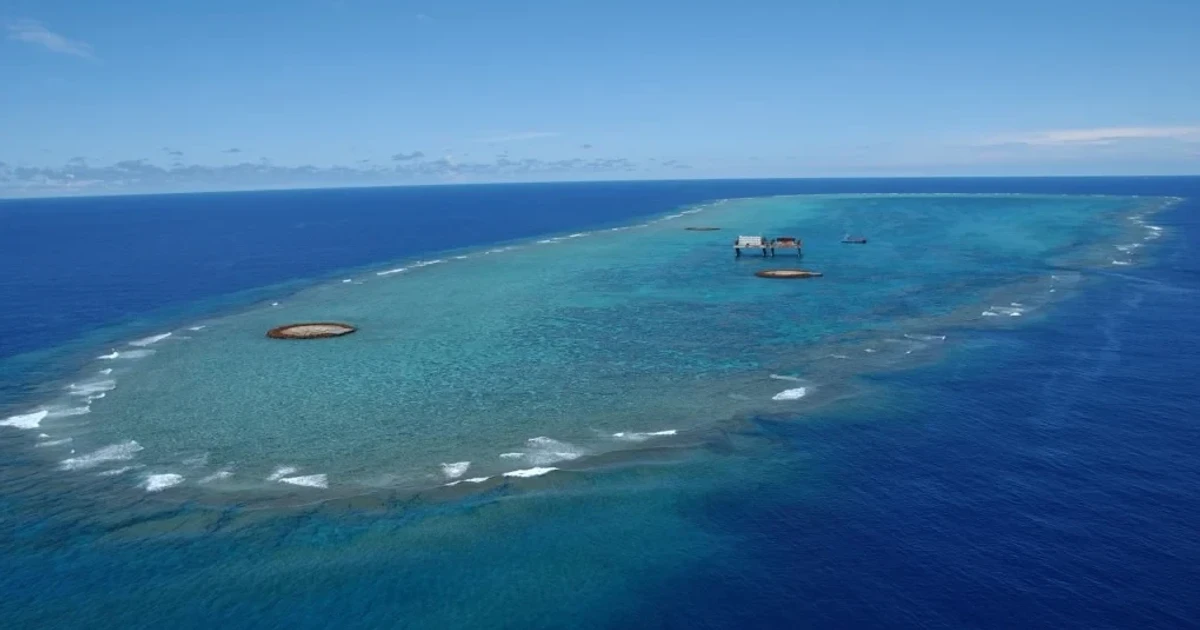
Japan lodged a protest with China on Tuesday after a Chinese navy destroyer carried out live-fire drills in Japan’s exclusive economic zone near Okinotori Island. The drill, held on Sunday, involved a Luyang III-class guided-missile destroyer taking part in a joint exercise with Russia.
The location gave the episode immediate legal and strategic weight. Okinotori Island, also called Okinotorishima, sits in the Pacific Ocean far south of Japan’s main islands, and Tokyo treats the surrounding waters as part of its EEZ. China has long rejected that position, arguing the feature is only a rock and cannot support an EEZ claim.
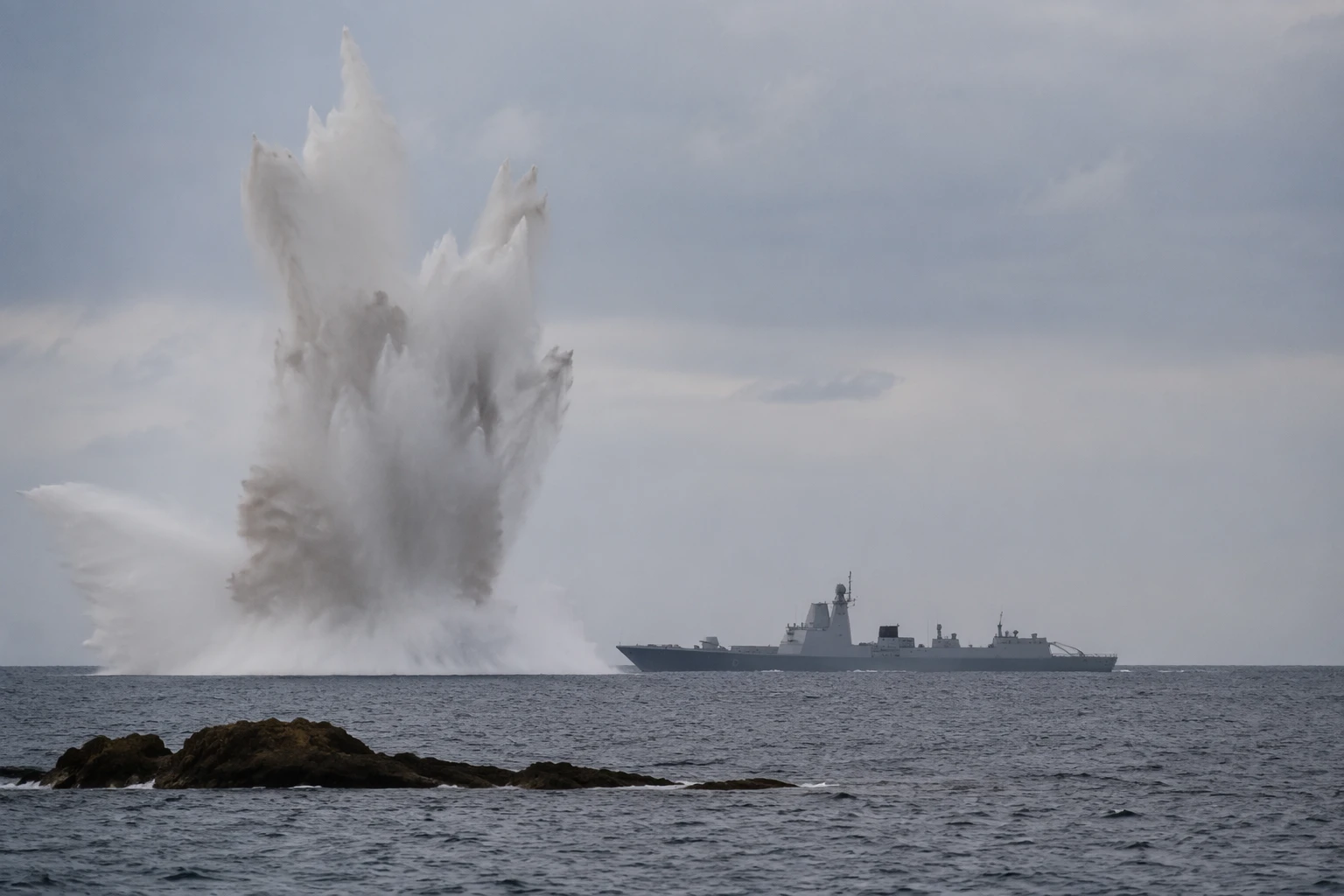
Japan’s public protest showed how quickly routine military signaling can become a diplomatic problem when it happens in sensitive waters. Live-fire drills are not unusual in naval training, but carrying them out near a remote island at the edge of Japan’s claimed maritime zone raises the risk of miscalculation, especially when the ships are operating in tandem with another major power. The Chinese vessel’s participation in a China-Russia maritime exercise added another layer of friction at a time when Tokyo is already watching joint activity by the two navies more closely.
The dispute also fits a wider pattern of friction across the East China Sea and nearby sea lanes, where Japan has repeatedly objected to Chinese military and coast guard activity around contested or strategically sensitive areas. Tokyo’s decision to make the protest public suggests it wanted to signal that the drill was not being treated as a routine maneuver but as behavior that could threaten maritime safety and regional stability.

For the United States and its allies, the incident is another test of deterrence in Northeast Asia. Exercises near Japan’s islands are increasingly viewed through the lens of alliance credibility, because each protest, overflight or naval drill adds pressure to prove that coordination among Japan, the United States and other partners can keep escalation contained. The Okinotori dispute is especially sensitive because it combines sovereignty, maritime rights and military signaling in one small area, where a single drill can quickly widen into a broader security crisis.
Sources
- [1]reuters.com
- [2]straitstimes.com
- [3]abcnews.com
- [4]newsweek.com
- [5]globaltimes.cn
- [6]chinaglobalsouth.com