World
Japan quake rescue races against time in Kumamoto as toll rises
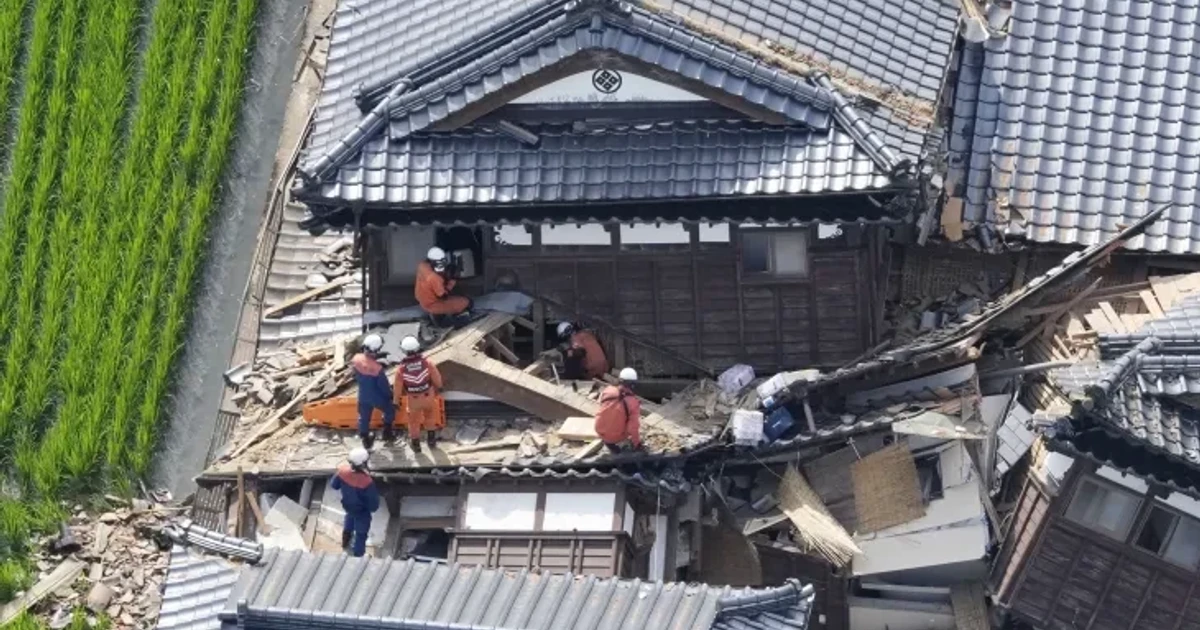
Rescuers raced to reach people trapped in the Kumamoto area of Japan’s southern island of Kyushu after a magnitude 7.1 earthquake struck Tuesday, with collapsed buildings, broken roads, landslides, bridge failures and fires narrowing the window for survival. The hardest-hit mountain communities again showed how quickly a quake can outpace emergency access when roads fail and the ground keeps shaking.
In Minamiaso, where BBC News said eight people were still unaccounted for in one report, entire houses were buried under earth and roads were severed. Mashiki town also took heavy damage, while hundreds of aftershocks made it harder for police, firefighters and the Japan Self-Defense Forces to move through unstable ground and damaged neighborhoods.
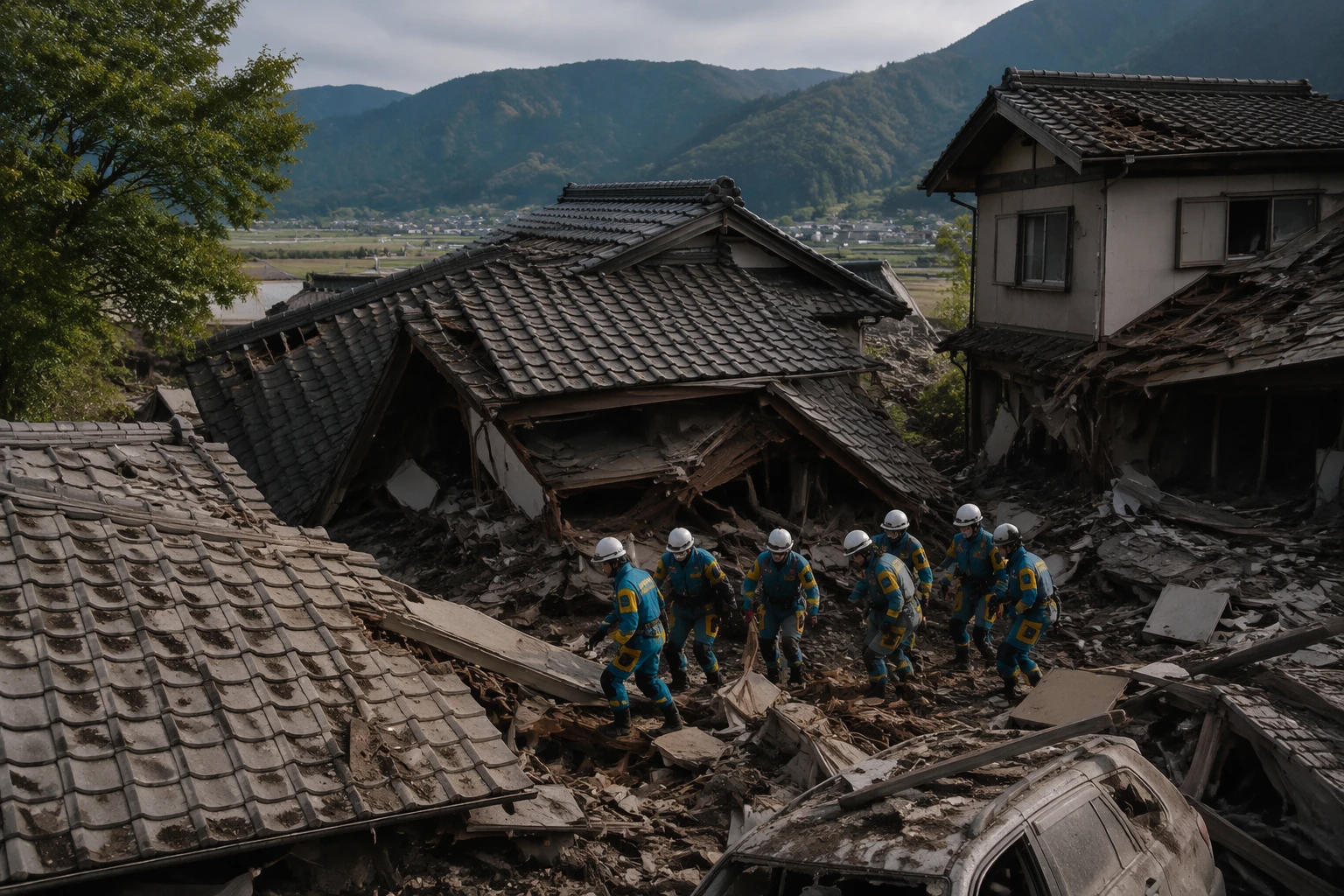
The rescue effort recalled the 2016 Kumamoto earthquake sequence, when a magnitude 6.5 foreshock struck on April 14 and a stronger magnitude 7.3 mainshock hit in the early hours of April 16. Reuters later said the death toll from those quakes climbed to 44. BBC News reported that about 180,000 people were set to spend a third night in temporary shelters, including cars and tents, while more than 62,000 homes were without electricity and 300,000 had no water.
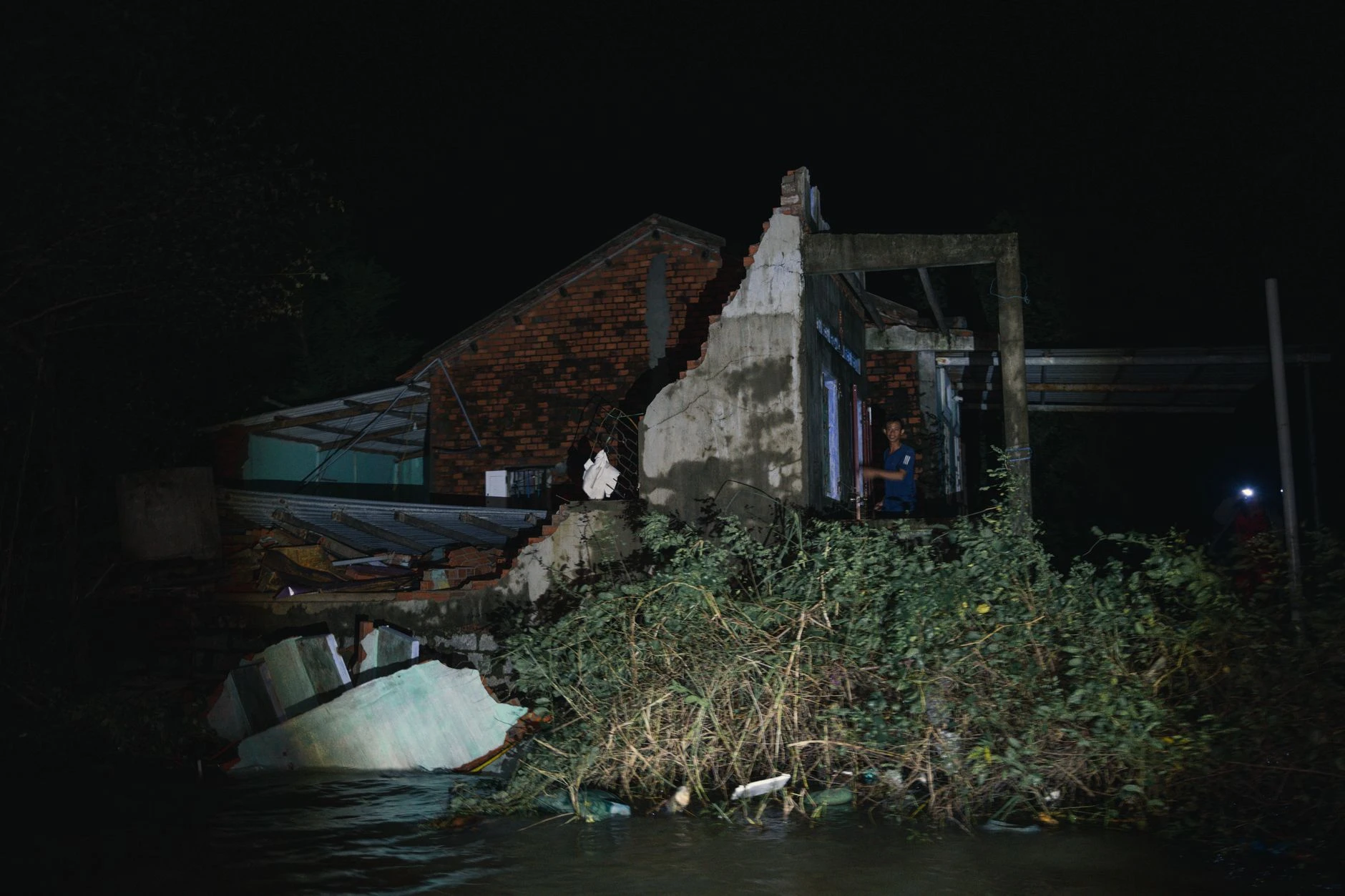
That earlier disaster showed how a quake becomes a public-health emergency when power, water and shelter all fail at once. Survivors struggled with shortages of food and water as search teams looked for the missing, and the concentration of damage in places such as Minamiaso and Mashiki town exposed the vulnerability of rural and mountainous communities where bridges, roads and local services are easier to cut off.
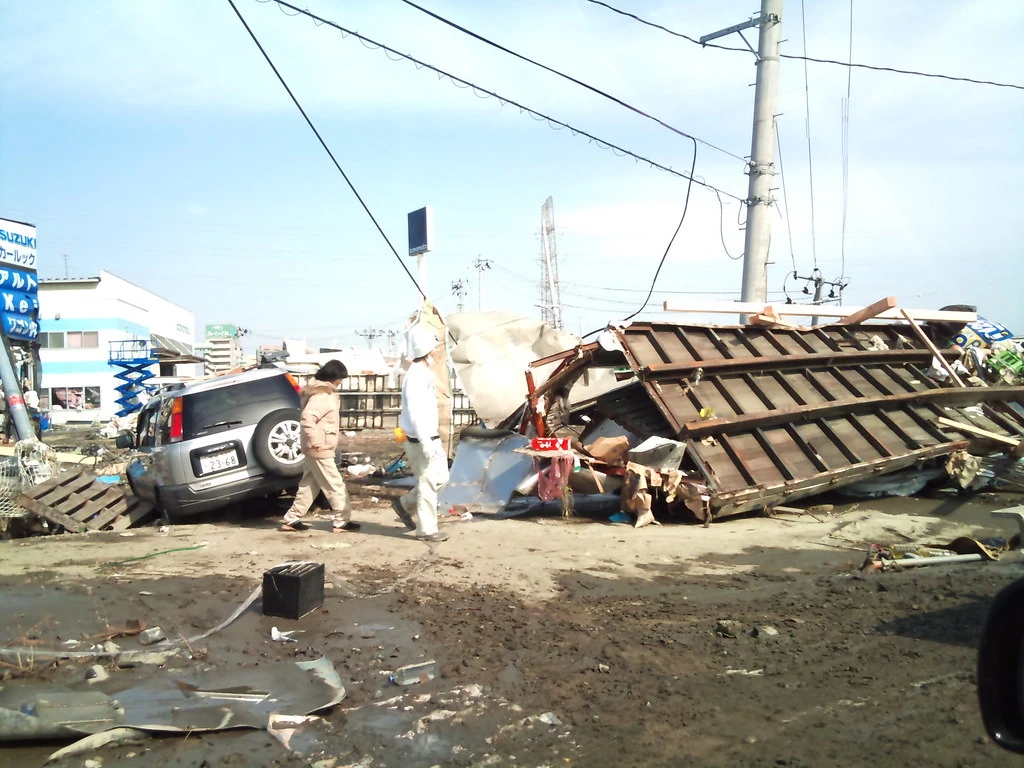
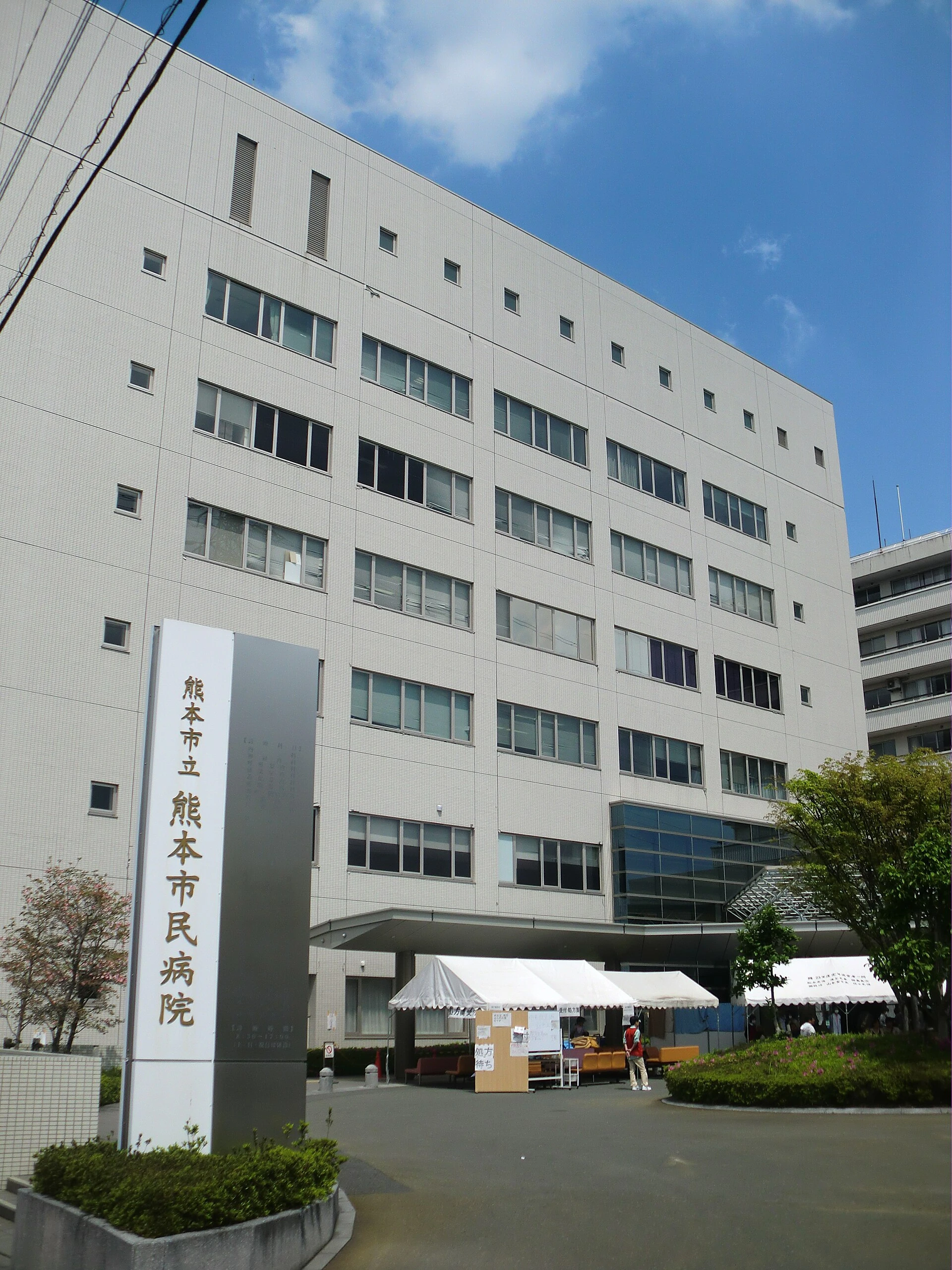
Prime Minister Shinzo Abe ordered additional troops and disaster relief officials to the region, and the U.S. military joined tens of thousands of Japanese troops and emergency services in the relief effort. Japan’s government later moved toward officially designating the quake-hit area as a disaster zone, underscoring how quickly the response shifted from rescue to a longer recovery phase.
Sources
- [1]npr.org
- [2]bbc.com
- [3]reuters.com
- [4]japan.kantei.go.jp
- [5]voanews.com
- [6]mainichi.jp
- [7]adrc.asia