Business
Japan raids ice cream makers over suspected price-fixing cartel
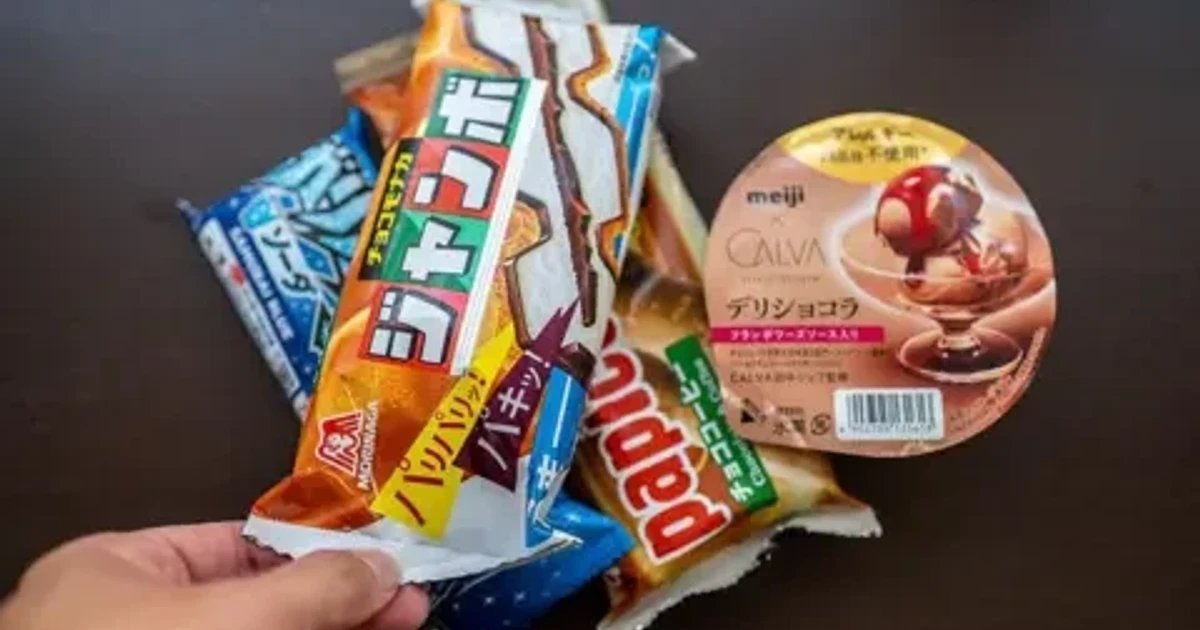
Japan’s competition watchdog raided six of the country’s biggest ice cream makers over suspicion they coordinated retail prices, putting a seasonal household staple at the center of an antitrust probe as summer demand surged. The Japan Fair Trade Commission began on-site inspections on June 16 of Meiji Co., Morinaga Milk Industry Co., Lotte Co., Morinaga & Co., Ezaki Glico Co. and Akagi Nyugyo Co.
Japanese media said it was the first time the JFTC had investigated an alleged cartel in Japan’s ice cream industry. Local reporting said the companies may have exchanged information by email and meetings over several years to align the timing and scale of price increases, with suspected hikes in popular ice cream and frozen dessert products of roughly 5% to 10% at multiple points. The major companies said they were cooperating with the probe.

The stakes extend well beyond corporate pricing strategy. Ice cream shipments in fiscal 2025 reached a record 663.1 billion yen, according to Japan Ice Cream Association data cited in reporting, marking the sixth straight year of record highs. The average unit price also hit a record 724 yen per liter, underscoring how even modest coordinated increases could ripple through supermarket freezers and convenience-store shelves across the country.
The timing sharpened the scrutiny. Japan has been grappling with extreme heat, and 2025 brought the hottest summer on record, with the national average temperature from June through August 2.36 C above the 30-year average. That heat made ice cream more than an impulse purchase: it became a pressure point in household economics, where a product tied to relief from rising temperatures can also carry a higher price tag when consumers are already stretched.
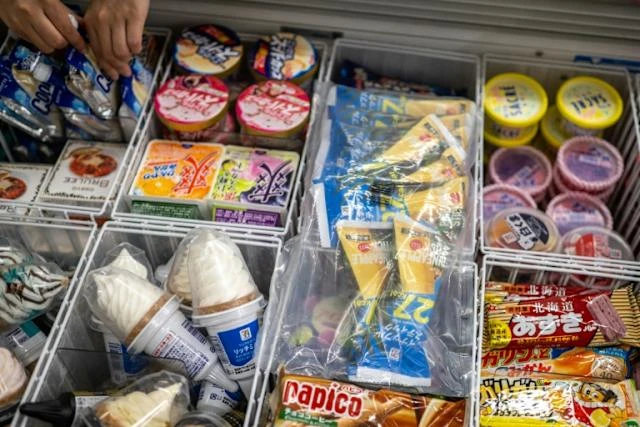
The six companies’ brands are sold wholesale to supermarkets and convenience stores nationwide, so any coordinated move would have had broad reach. The probe also revived attention to Akagi Nyugyo, which drew public attention in 2016 after publicly apologizing for a 10-yen increase on one of its flagship products. For regulators, the case now tests whether competition enforcement is moving fast enough to keep pace with price pressures in a market where weather, demand and daily budgets collide.
Sources
- [1]bbc.com
- [2]asahi.com
- [3]japannews.yomiuri.co.jp
- [4]finance.yahoo.com