World
Japan raises visa fees fivefold, first increase since 1978
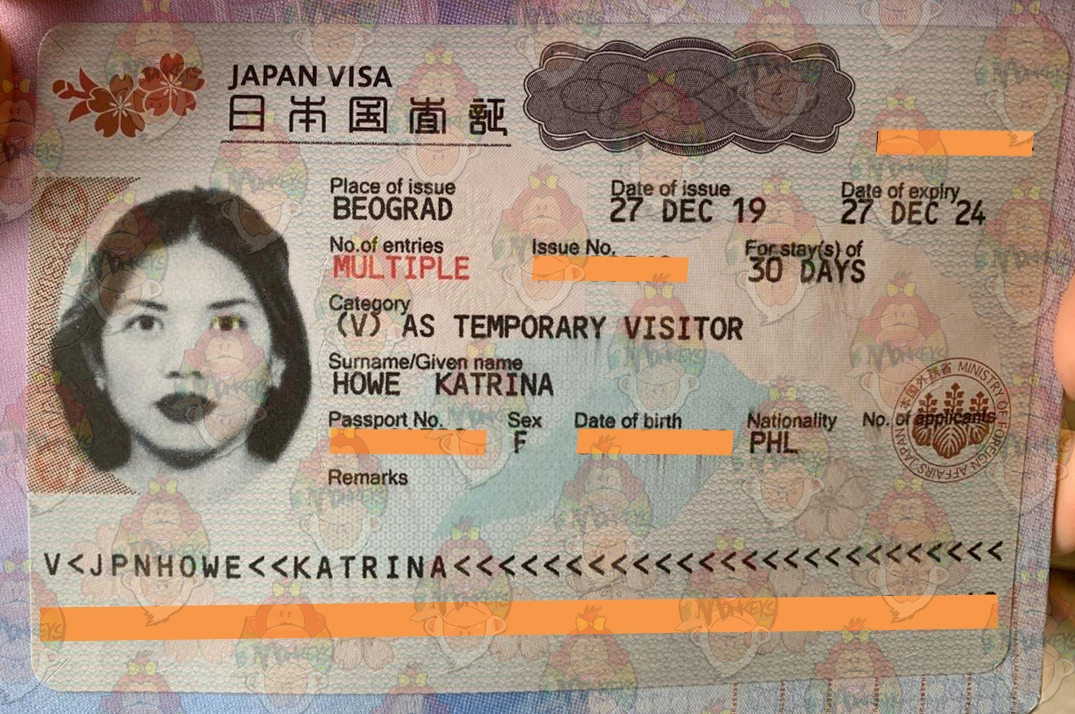
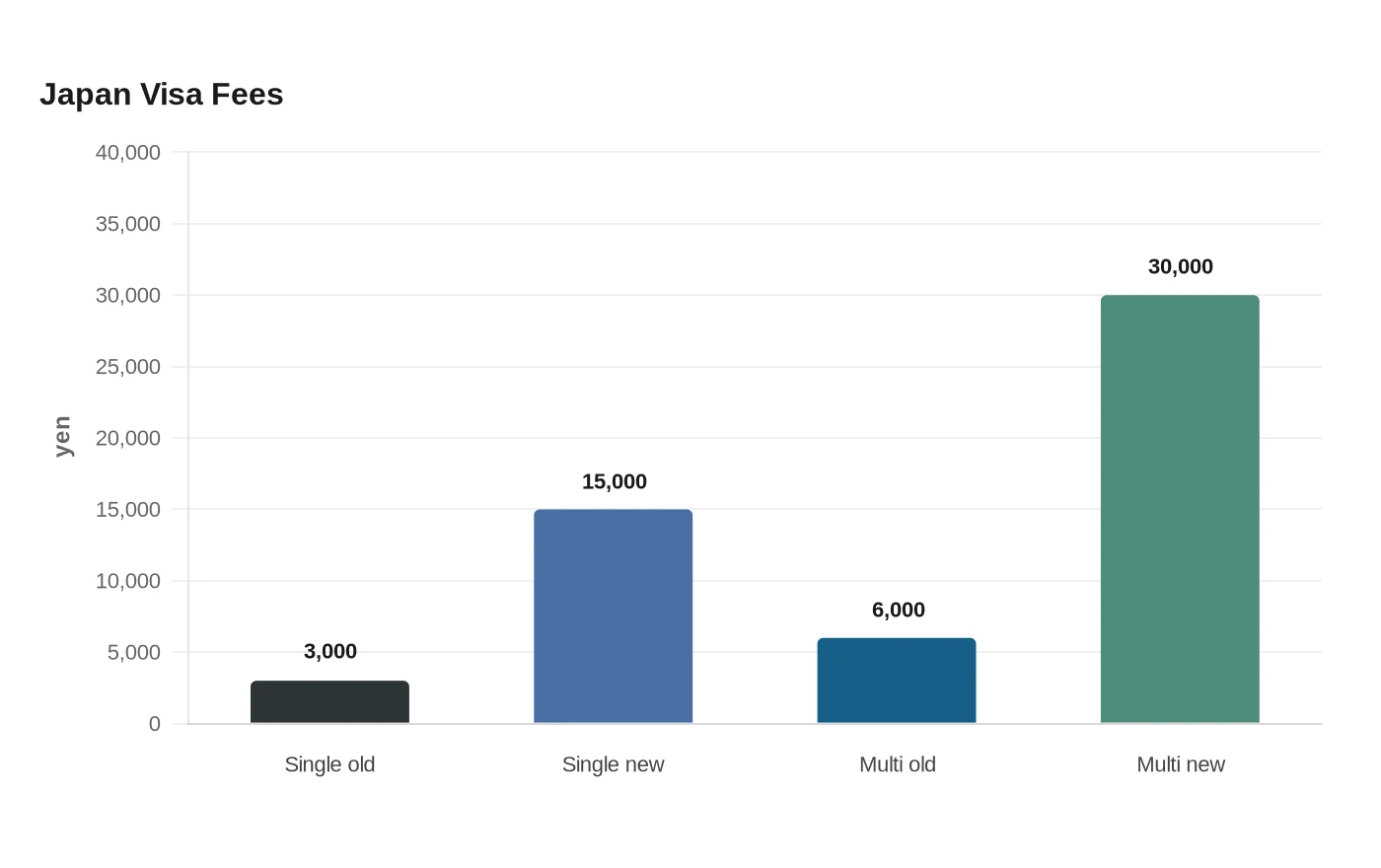
Japan has decided to reprice entry for foreign nationals in a move that reaches far beyond a simple administrative tweak. Single-entry visa fees will rise from 3,000 yen to 15,000 yen, and multiple-entry visas will climb from 6,000 yen to 30,000 yen for applications submitted on or after July 1, 2026. The increase, approved at a cabinet meeting in Tokyo, is Japan’s first visa fee revision since 1978.
The government says the change reflects inflation, exchange-rate fluctuations and higher administrative costs after nearly half a century without an increase. But the policy also sends a clearer signal about who Japan expects to pay more to enter, and who will be left largely untouched. Many short-term tourists from visa-exempt countries will not face the new charges, while applicants who do need visas, including students, workers, families and repeat travelers, are more likely to feel the increase first.
Foreign Minister Toshimitsu Motegi said the revision was meant to “reflect inflation and exchange rate fluctuations,” and added, “We do not anticipate that it will have an immediate impact on inbound tourism.” That assurance rests in part on the fact that Japan’s travel boom continues to be driven by a weaker yen and strong demand from markets that do not require visas for short stays.
Still, the fiscal purpose of the increase is as important as the tourism message. Japan’s foreign resident population reached a record 4.13 million at the end of 2025, and the government says higher fees will help cover the administrative costs tied to that growth. Revenue is also slated to support immigration management, Japanese-language education and measures against visa overstays, areas that have become more central as the Foreign Ministry of Japan and the Immigration Services Agency of Japan handle a larger foreign population.
One budget proposal put expected processing-fee revenue at about 120 billion yen, underscoring how large the adjustment could become if applications hold up. For Japan, the decision is not just a fee hike after 48 years. It is a statement that the cost of managing foreign arrivals should fall more directly on the system’s users, even as officials insist the broader tourism engine will keep running.
Sources
- [1]bbc.com
- [2]straitstimes.com
- [3]nippon.com
- [4]yahoo.com
- [5]asahi.com
- [6]ngj.jp