World
Japan Strengthen Position as Asia’s Leading World Cup Contenders
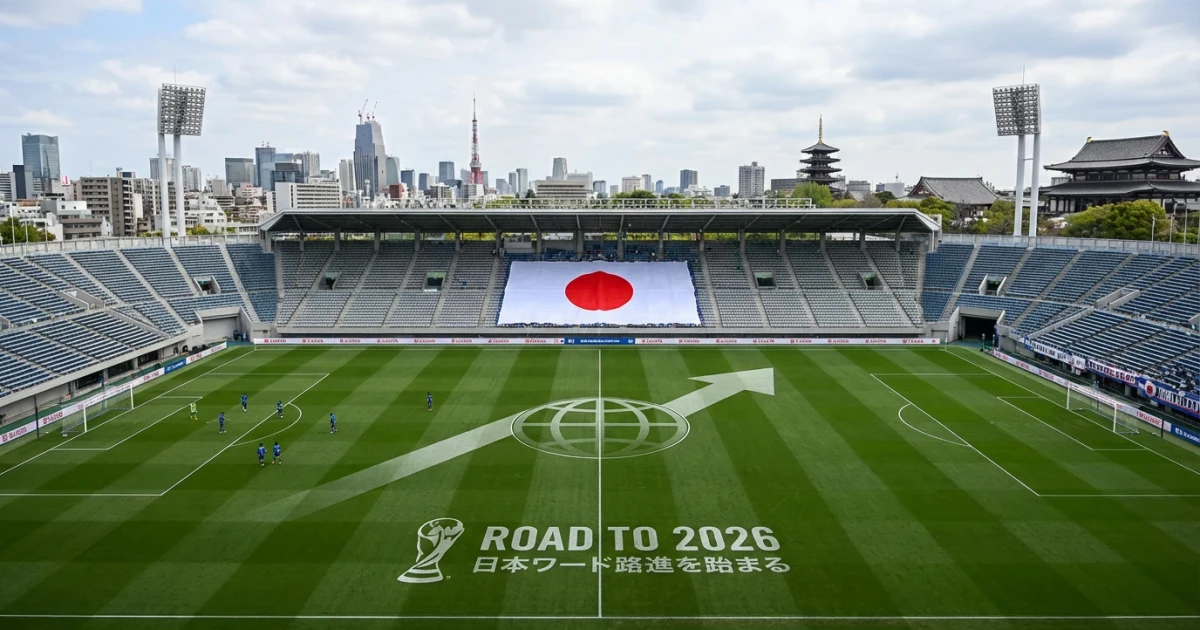
Japan have reaffirmed their reputation as Asia’s top World Cup hopefuls, demonstrating both their strengths and areas for improvement during a challenging round of qualifiers. As the 2026 FIFA World Cup Asian qualifiers progress, Japan’s performance stands out among their continental rivals, cementing their status as the region’s leading football nation.
Japan’s Qualifying Window: Consistency With Room for Growth
During the latest international window, Japan experienced a blend of results that showcased their overall quality but also exposed areas that require attention before the final qualification hurdles. Reuters reported that, despite some uneven performances, Japan’s squad depth and tactical adaptability continue to set them apart from other Asian sides.
Japan’s ability to secure crucial points—even when not at their best—has been a hallmark of their recent campaigns. Their current standing in the AFC World Cup qualifiers underscores their reputation, with the team maintaining a strong position in their group and boasting one of the best defensive records in the region.
Squad Depth and Tactical Flexibility
- Japan’s squad features a mix of experienced internationals and emerging talents, offering manager Hajime Moriyasu a range of options for each fixture.
- Their attacking play remains dynamic, but the most recent matches revealed a need for sharper finishing, particularly against well-organized defenses.
- Defensively, Japan have conceded fewer goals than most Asian rivals, reflecting their disciplined structure and high work rate.
Comparison With Other Asian Teams
While traditional rivals such as South Korea, Iran, and Australia continue to compete strongly, Japan’s consistency sets them apart. According to the latest FIFA world rankings, Japan remains the highest-ranked Asian team, reinforcing their leadership role on the continent.
Their recent Asian Cup run and strong performances in World Cup qualifiers highlight Japan’s ability to compete not just regionally, but on the global stage. This resilience has made them the primary Asian hope for a deep run at the 2026 World Cup.
Key Players and Statistics
- Japan’s attacking threats continue to deliver, with several players contributing vital goals and assists. The latest squad statistics show a balanced distribution of goal-scoring responsibility.
- Midfield control remains a strength, with veteran playmakers guiding the tempo and younger talents adding energy and creativity.
- Goalkeeper and defensive unit statistics from ESPN confirm Japan’s reputation for organization and reliability at the back.
Challenges Ahead
Despite their strengths, Japan’s mixed results this window serve as a reminder that qualification is never routine. Reuters noted that the team must increase their efficiency in front of goal and remain vigilant against complacency, especially in high-stakes matches where margins are slim.
Looking ahead, Japan’s path to the 2026 World Cup will require sustained focus, tactical refinement, and continued squad rotation to manage the demands of a crowded fixture list. Their long-term goal remains not just qualification, but making an impact in the knockout stages of the World Cup, a feat that has eluded Asian teams since South Korea’s run in 2002.
Conclusion
Japan’s latest qualifying window may have been mixed, but their status as Asia’s best World Cup hope remains secure. With a blend of experience, tactical discipline, and emerging talent, Japan are well positioned to lead the continent’s challenge in 2026. As the qualification campaign continues, fans and analysts alike will be watching to see if Japan can convert their promise into another successful World Cup journey.