Business
Japan to stress Bank of Japan independence in economic blueprint
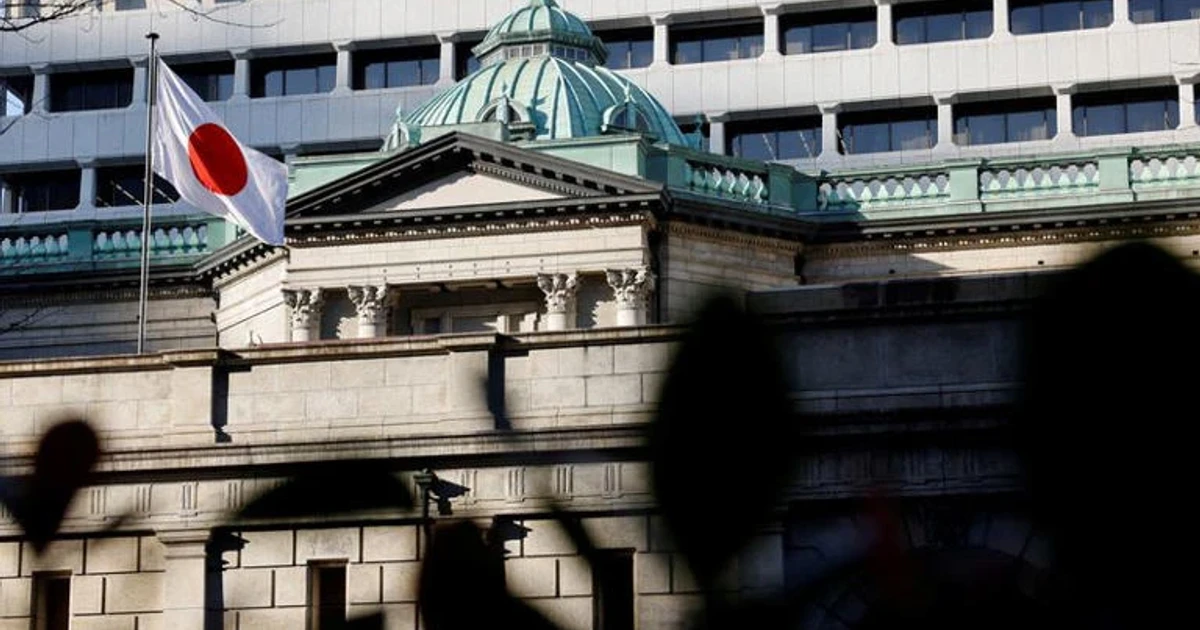
Japan’s government plans to add an explicit reference to Bank of Japan independence in its economic blueprint after worries about political interference in monetary policy helped drive bond yields to multi-decade highs.
The new language is expected to appear in a footnote citing Article 3 of the Bank of Japan Act, which says the central bank’s autonomy over currency and monetary control shall be respected. A source familiar with the matter said the change was “purely a response to market concerns” and did not signal any shift in policy.
Officials moved after an earlier draft of the blueprint said it was “very important” for monetary policy to be guided appropriately to support a stronger economy. That wording was later revised to stress the importance of the Bank of Japan conducting appropriate monetary policy “to achieve stable inflation,” but the change did little to calm traders. On July 9, the benchmark 10-year Japanese government bond yield still hit a 30-year high, underscoring how sensitive investors have become to any hint that policymakers may be leaning on the central bank to keep rates low or slow normalization.
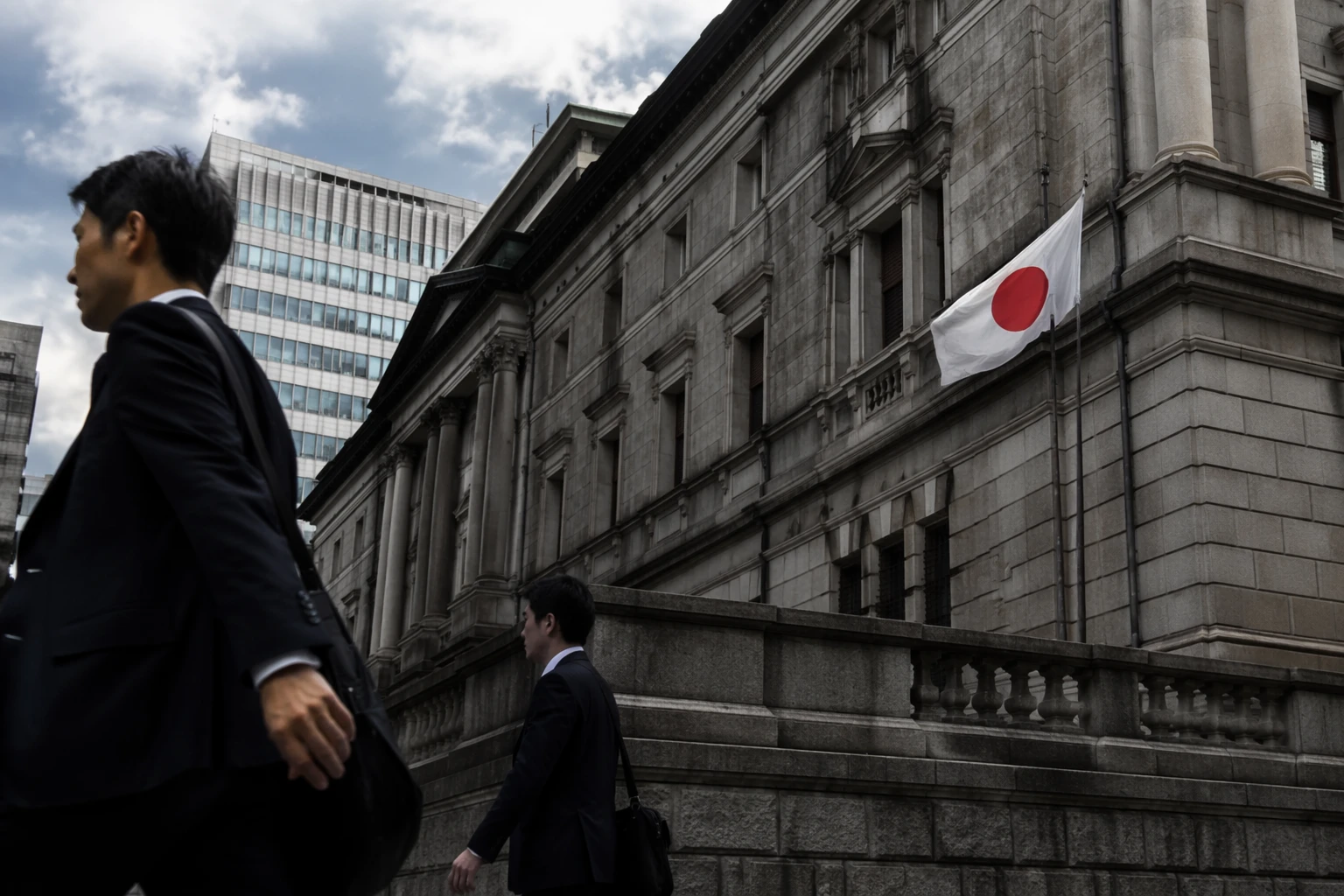
The yield had already climbed to around 2.90% on July 8, the highest level in roughly 29 years and 8 months, as inflation worries and concerns about Japan’s fiscal health fed the selloff. The latest move showed that even a technical adjustment to a policy document could become a market event when debt levels are high and investors are on guard for signs of pressure on the Bank of Japan.
The legal framework itself has now become part of the message. Article 4 of the Bank of Japan Act says the central bank should maintain close contact with the government so monetary policy and the government’s basic economic stance remain mutually compatible. At the same time, the Bank of Japan says its independence means its autonomy over currency and monetary control must be respected under Article 3. That balance has become more delicate as officials try to support growth and price stability without alarming bond investors.
Japan’s government had already pushed back on July 7 against market views that it was watering down fiscal reform or pressuring the Bank of Japan to keep rates low. With the economic blueprint expected to be finalized as early as next week, the revision is meant to reassure investors that Tokyo is not trying to steer monetary policy by stealth.