Lifestyle
Japanese artists turn school blackboards into striking chalk canvases
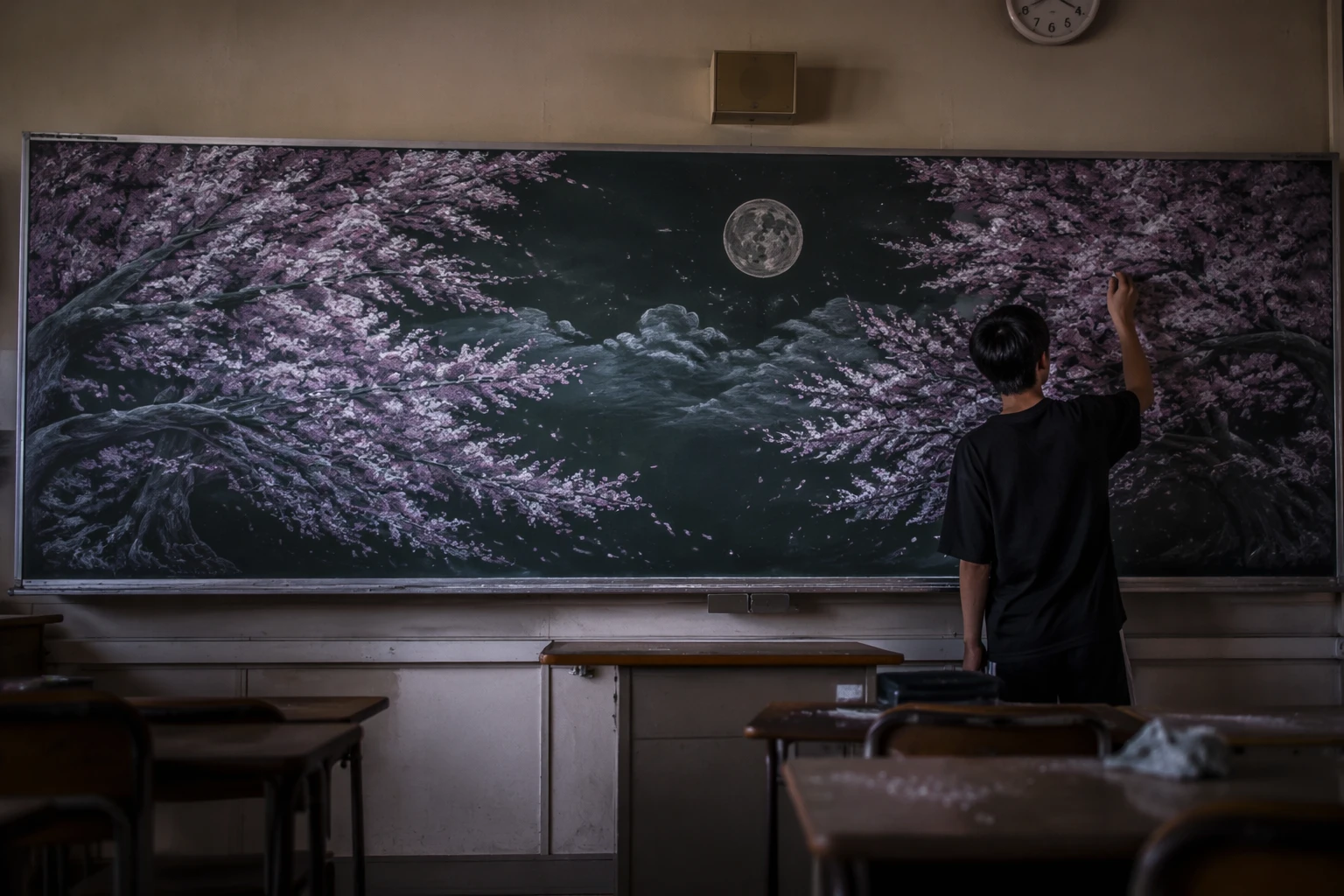
Young Japanese artists have turned the school blackboard into a national stage, using colored chalk to build large, intricate images that disappear as quickly as they appear. In Kumagaya, Japan, the annual Kokuban Art Koshien has given the familiar classroom surface new status, drawing entries from about 300 high schools and junior high schools and making the ordinary blackboard into a test of speed, control and imagination.
The contest’s name ties that schoolroom object to one of Japan’s best-known sports traditions. Kokuban means blackboard in Japanese, and the title borrows Koshien, the name associated with the high-school baseball championship, to give chalk art its own sense of competition and prestige. Works are judged from photographs, then often erased after the contest ends, which makes the finished image feel more like a performance than a permanent display.
That impermanence is central to the medium’s appeal. The Mainichi profiled blackboard artist Hirotaka Hamasaki in April 2025 and highlighted the attraction of drawings that are meant to be erased. The idea fits the appeal of chalk itself: the artist must master shading, line work and composition on a giant classroom surface, then accept that the image will vanish. The result is a form of art that is both highly technical and deliberately fleeting.
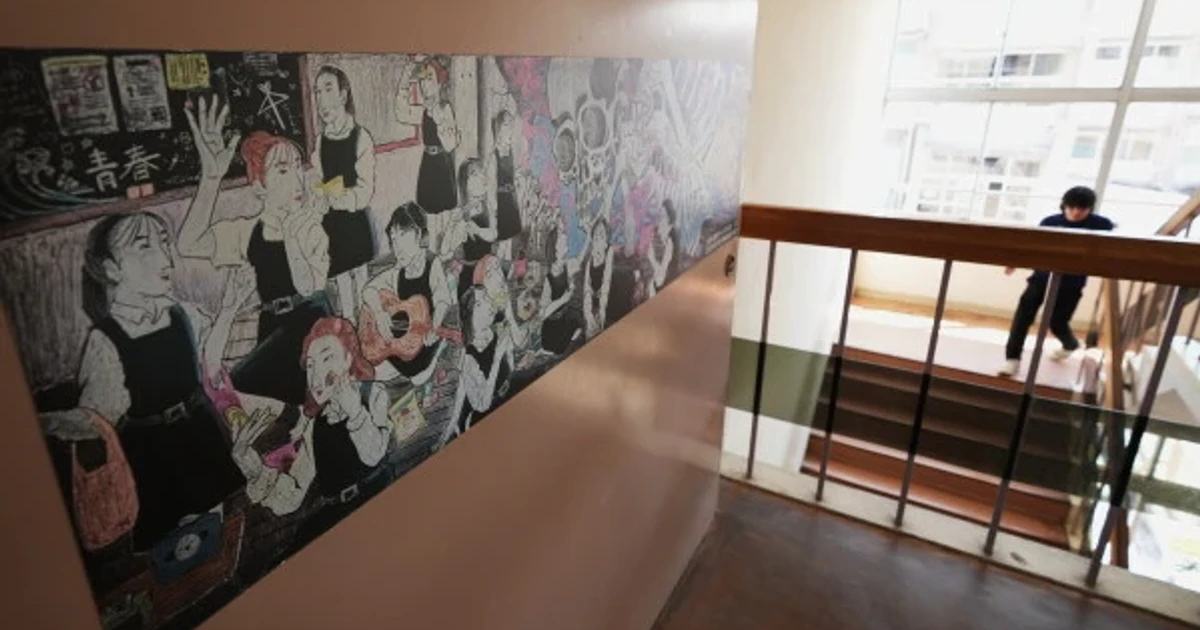
Photos from Kumagaya Girls High School in Kumagaya, northwest of Tokyo, captured that blend of craft and memory. In images taken Tuesday, July 21, 2026, art club members discussed blackboard art designs in their school, while a teacher walked past a blackboard artwork displayed in a hallway after the club had won first prize in a national blackboard art contest in 2023. The setting underscored why the medium resonates now: it takes a place associated with daily routine and turns it into a cultural space where students can be surprised by what their own school can hold.
The trend has a longer trail than the current wave of online attention suggests. SoraNews24 covered Japanese student chalkboard artworks in 2014, and Spoon & Tamago wrote about a Japanese chalkboard maker’s contest for student chalkboard art in 2015. Together, those examples show that the spectacle of a chalk mural has been circulating for years, sustained by a mix of nostalgia, school identity and the visual punch that social media rewards.
Sources
- [1]apnews.com
- [2]wtop.com
- [3]kvue.com
- [4]greenwichtime.com
- [5]mainichi.jp
- [6]soranews24.com
- [7]spoon-tamago.com