World
Japanese city captures black bear after days of school closures
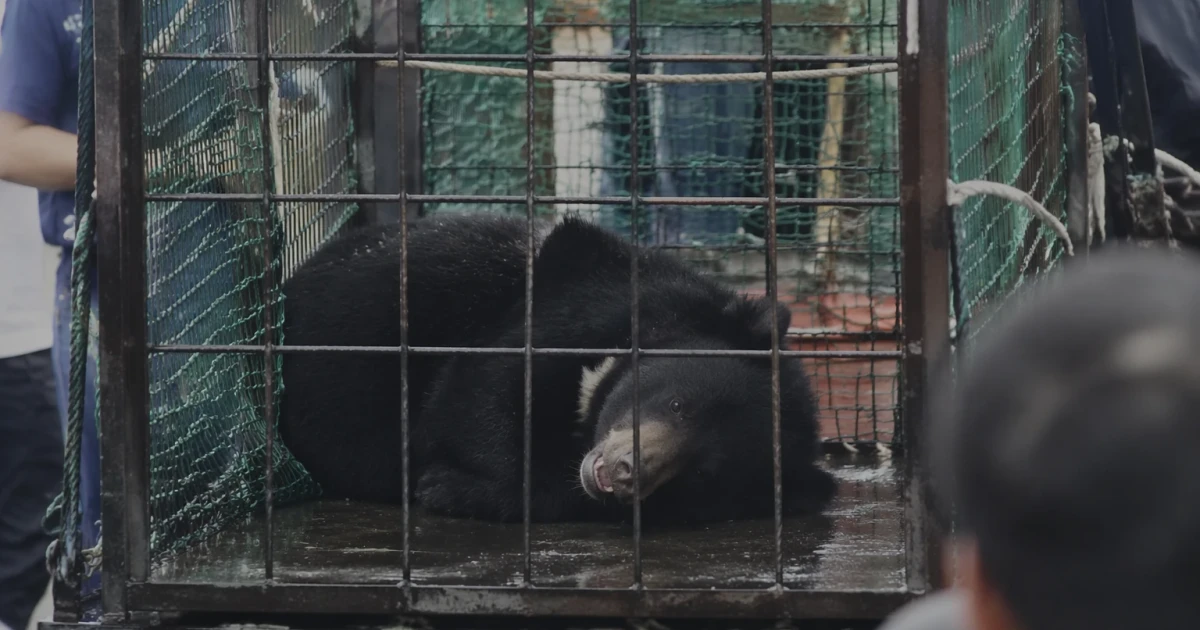
A black bear estimated at about 100 kilograms was captured in Utsunomiya on Tuesday after a multi-day search that shut all 94 municipal primary and middle schools and kept families indoors. The capture ended a tense episode that began with the city’s first-ever bear sighting on the evening of June 6. Officials still extended school closures to June 10 after a report of a possible second bear, a sign of how seriously local authorities treated the threat.
Utsunomiya, a city of about 500,000 residents roughly 100 kilometers north of Tokyo in the Greater Tokyo metropolitan region, has become an unlikely symbol of a national problem. Japanese police warned residents as sightings spread through residential streets and near a shopping-mall area, while Japanese local hunters were brought in to help track the animal. After it was tranquilized, the bear was loaded onto a cage on a truck and removed from the city.
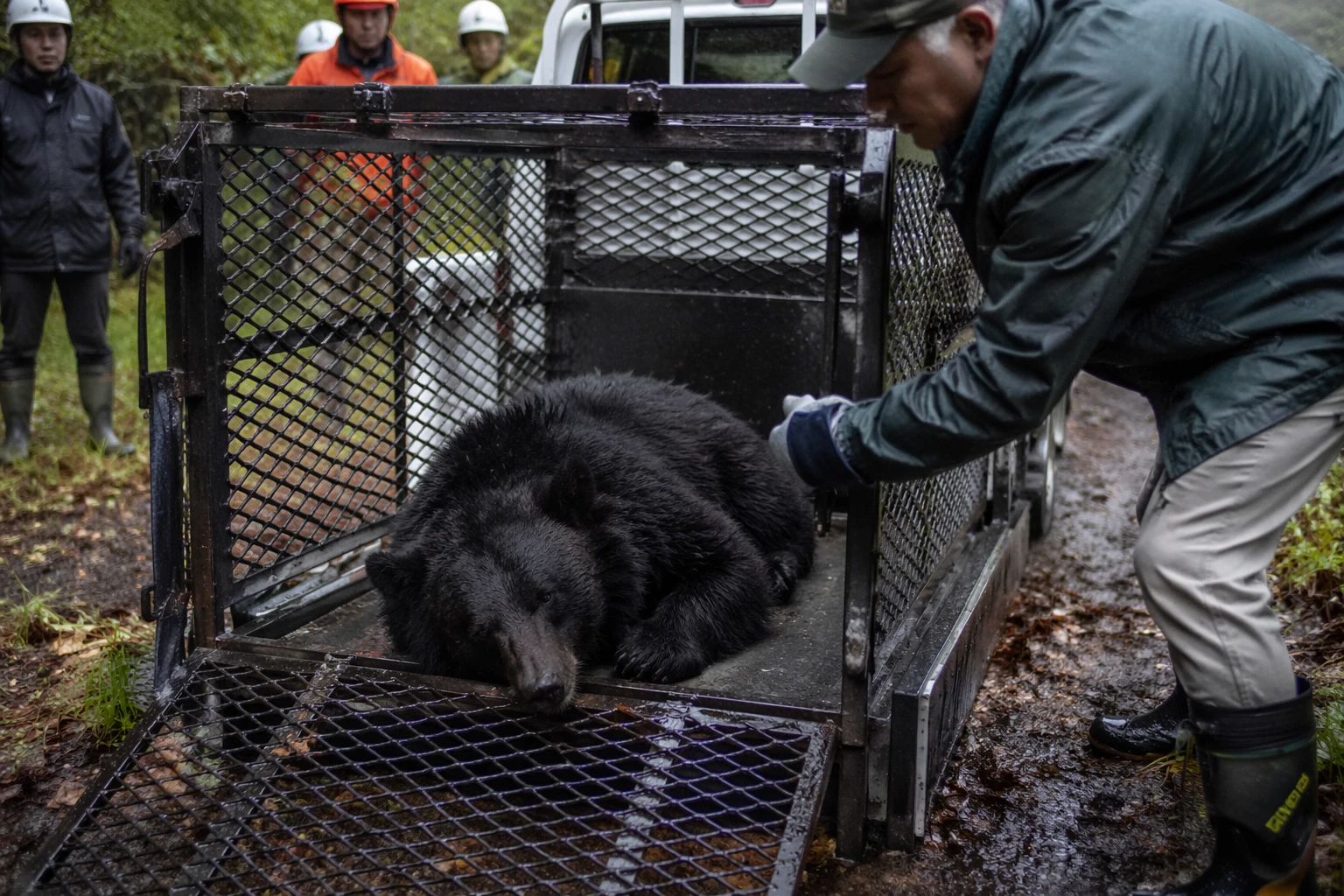
The disruption landed at a moment when bear encounters are no longer rare enough to be treated as an anomaly. Preliminary Ministry of the Environment data show 50,776 Asian black bear sightings in fiscal 2025, a 150% jump from 20,513 in fiscal 2024 and the highest level since sightings began being recorded in 2009. The same data show 216 bear attacks, 238 people injured or harmed, and 13 deaths, all record highs. In fiscal 2025, Japan recorded 238 bear-encounter casualties and 13 deaths, according to the environment ministry.
Those numbers have pushed wildlife management higher on the government’s agenda. Japan’s environment ministry held its 3rd Interministerial Meeting on Bear Damage Countermeasures on March 27, 2026, and Hirotaka Ishihara outlined a jointly formulated Bear Damage Countermeasures Roadmap. The policy response reflects a growing recognition that bear damage is not only a rural conservation issue, but also a public-safety and school-operations problem affecting cities, suburbs and commuting corridors.
The causes are also changing the geography of risk. Climate-linked shortages of acorns and beechnuts have left bears searching farther afield, while rural depopulation and abandoned farmland are making it easier for them to move toward settlements. The pressure is being felt beyond Tochigi Prefecture: in Iwaki, Fukushima Prefecture, classes at three schools were suspended on June 9 after a bear was spotted in the neighborhood the day before.
For Utsunomiya, the capture brought immediate relief. For Japan, it was another reminder that a wildlife encounter can quickly become a test of emergency response, school safety and how communities adapt as bears move closer to where people live, work and send their children to class.
Sources
- [1]usnews.com
- [2]straitstimes.com
- [3]nippon.com
- [4]env.go.jp