Entertainment
Japanese flower arranging finds new life among Americans
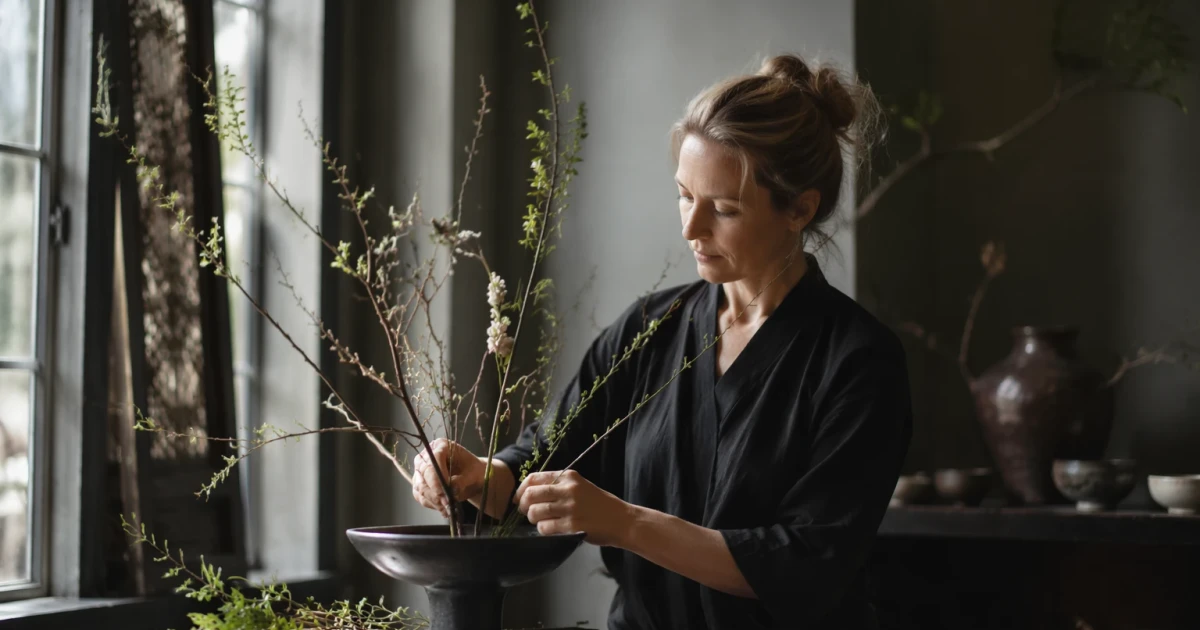
The quiet precision of ikebana is finding a new audience in the United States at a moment when many people are craving slower, more tactile routines. Michael George reports that Japanese flower arranging is resonating with Americans not because it is trendy, but because it offers a disciplined, mindful way to work with living material.
A centuries-old art with a living philosophy
Ikebana was introduced in Japan in the 6th century by Chinese Buddhist missionaries, and the first school, Ikenobō, was founded in the early 7th century by Ono no Imoko. That long lineage helps explain why the practice feels less like a craft project than a cultural language, one that has been refined over centuries rather than reinvented for the moment.
Britannica describes ikebana as an art that emphasizes simple linear construction and appreciation of natural material. Its core ideas, balance, harmony, and the beauty of impermanence, give the arrangements a calm, deliberate character that fits neatly with the growing American appetite for mindfulness and ritual. The practice also sits alongside broader Japanese traditions such as gardening and tea ceremony, which likewise value form, attention, and seasonal awareness.
Why the practice feels current in the United States
The appeal of ikebana in the United States is tied to more than aesthetics. In a culture shaped by digital fatigue and constant distraction, the act of choosing stems, trimming them, and placing them with intention offers a rare pause, one that is both creative and meditative.
That is part of why museums and cultural institutions continue to present ikebana as an enduring tradition rather than a novelty. They frame it as an art rooted in natural balance and impermanence, which helps explain why it speaks to Americans looking for slower forms of self-expression. The attraction is not just the finished arrangement, but the process itself: measured, tactile, and attentive to what the material already wants to do.
How the tradition has evolved across styles
Ikebana did not remain fixed in one form. Over time, it developed into multiple schools and styles, including the more formal rikka, the balanced shōka, the low-vase moribana style developed by Ohara Unshin, and the freer modern style zenei ikebana established in 1930 by Teshigahara Sōfū and other floral masters. That range matters because it shows how the art can hold both structure and experimentation without losing its central discipline.
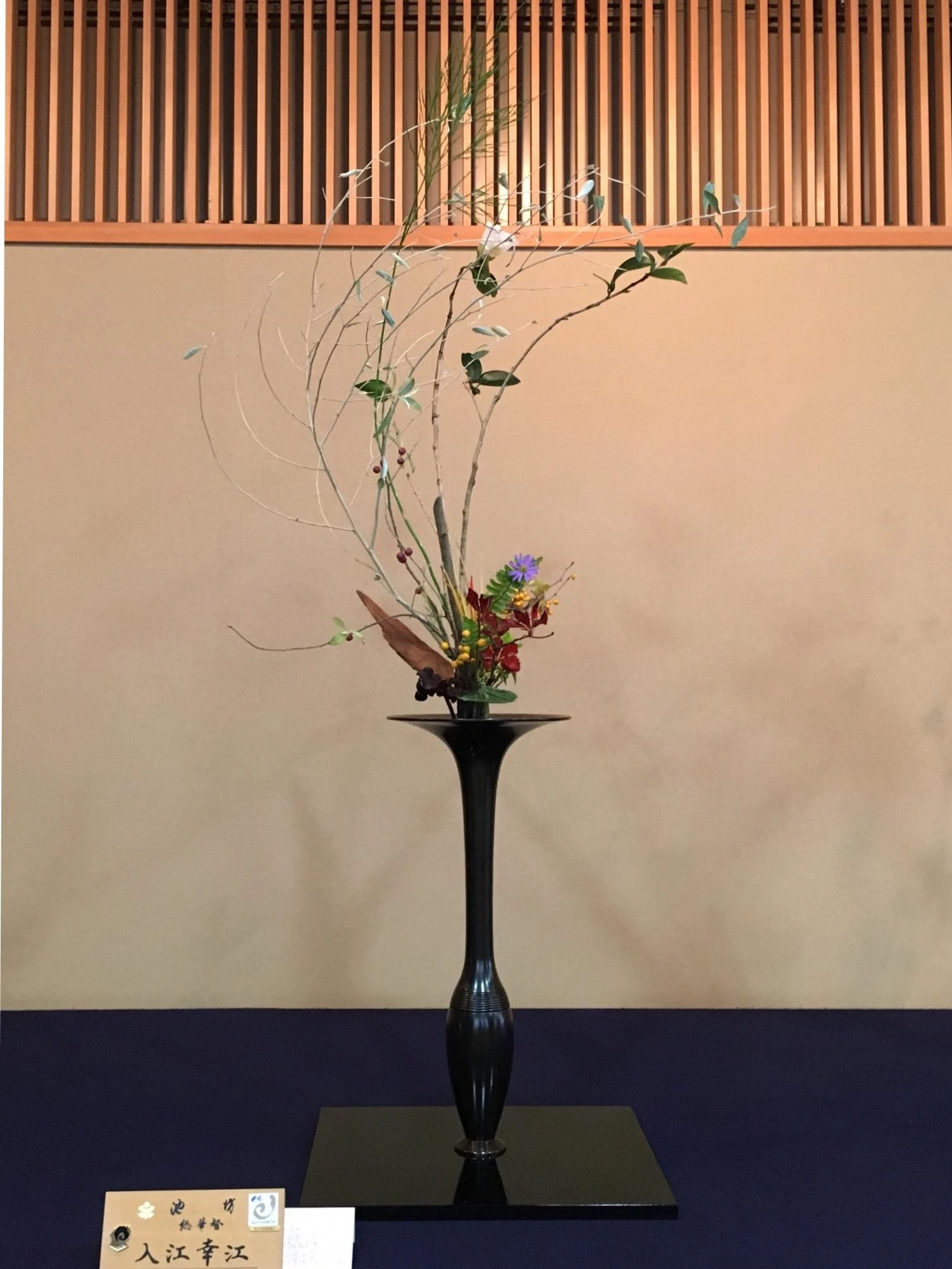
Moribana, developed by Ohara Unshin, uses low dishlike vases and naturalistic landscapes, a style that makes the composition feel open and grounded at once. Zenei ikebana, led by Teshigahara Sōfū, moved further toward modern expression, showing that the tradition has room for evolution while still honoring the logic of line, space, and seasonal material. For American learners, that flexibility makes ikebana approachable: it can be studied as a classical form, explored as contemporary design, or practiced somewhere in between.
American museums are helping carry the art forward
Major U.S. museums are not treating ikebana as a relic. The Metropolitan Museum of Art held an ikebana demonstration on April 30, 2024, with instructor James Yu demonstrating how to prepare Japanese flower arrangements in the style of the Ikenobō School. The Met held another demonstration on December 17, 2024, reinforcing the point that the art is actively being taught and displayed in a major American institution.
That museum presence also connects contemporary interest to older historical ties. The Met holds an Edo-period woodblock print titled Ike Bana (Flower Arrangement) in the Ike-no-bo Style by Suzuki Harunobu, dated probably 1765, showing that Japanese flower arranging has long been part of the visual record. Smithsonian Magazine has also noted that Japanese American artist Chiura Obata created ikebana flower arrangement still lifes in the 1930s, another sign that the practice has deep roots in American art history as well as in Japanese tradition.
What its growth says about American taste
The renewed interest in ikebana suggests that many Americans are looking for practices that are slower, more embodied, and less disposable than the content streams surrounding them. Ikebana asks for patience and restraint, but it also rewards close observation, which makes it feel well suited to a moment when people want creative rituals that are meaningful without being loud.
Nippon.com says ikebana remains popular in Japan and overseas, and that persistence matters. The art’s strength is that it does not depend on spectacle: a few branches, a low vase, and a careful sense of space can carry centuries of practice, making ikebana one of the clearest examples of how an old tradition can speak directly to a modern American search for calm.
Sources
- [1]cbsnews.com
- [2]britannica.com
- [3]engage.metmuseum.org
- [4]metmuseum.org
- [5]smithsonianmag.com
- [6]nippon.com