Sports
Japanese slugger Rintaro Sasaki to sign with Miami Marlins
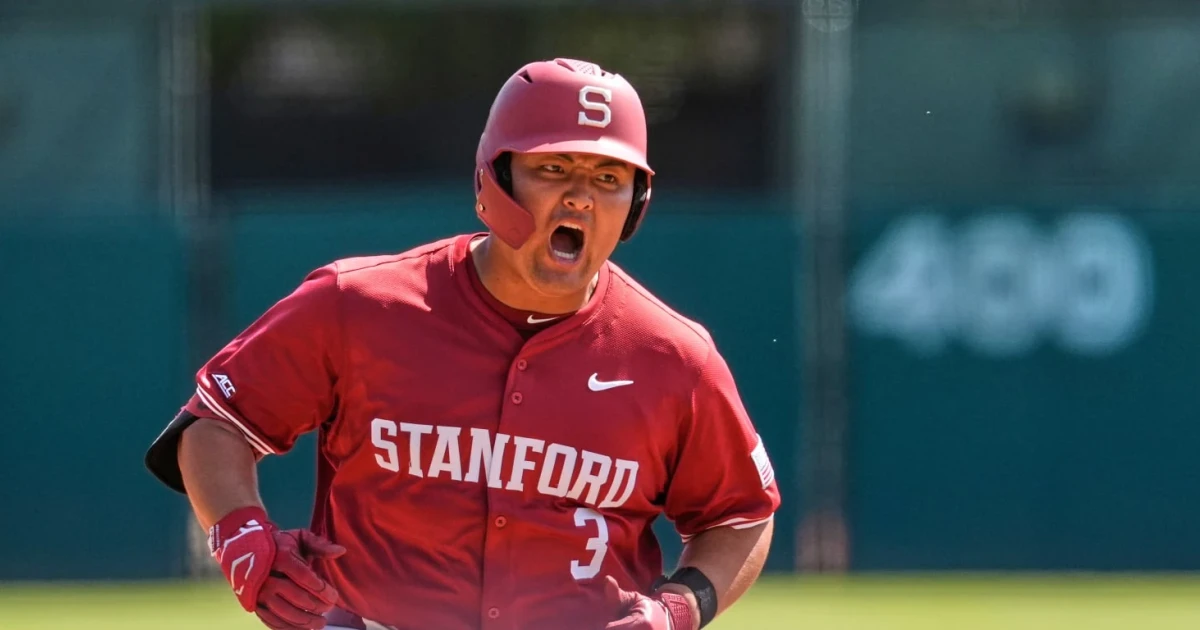
Rintaro Sasaki has chosen the Miami Marlins after the club drafted the 21-year-old Stanford University first baseman 235th overall in the eighth round, a decision that sends one of Japan’s most watched young hitters onto an unusual path. The Hanamaki, Iwate Prefecture native is bypassing the more familiar route into Japan’s Nippon Professional Baseball system, even after the Fukuoka SoftBank Hawks took him in the first round last year.
That choice matters because Sasaki’s move is about more than one player changing uniforms. It shows how aggressively Major League Baseball now competes for elite Japanese talent before those players settle into domestic pro careers. For top prospects, the calculation can turn on development, exposure, compensation and the chance to test themselves against the deepest talent pool in the sport. Sasaki appears to have decided that Stanford and the Marlins offer the sharper path forward than staying in Japan.
The profile Miami is adding helps explain why the decision has drawn so much attention. MLB has described Sasaki as Japan’s all-time high school home run leader, and multiple outlets have put his total at 140 homers in his high school career. Baseball America said he posted a 106.5 mph exit velocity, a number that signals real power and helps explain why scouts tracked him so closely as he moved from Japanese baseball to Stanford.

Sasaki’s case also highlights the shifting economics of the international game. Japan’s professional league has long been a destination for amateur stars, but MLB’s recruiting power now reaches earlier and farther, especially for players with standout tools and a strong public profile. A prospect who has already been drafted in Japan, then selected again by an MLB club, becomes a visible marker of how global the talent market has become.
For the Marlins, the signing is a gamble with possible upside in both baseball terms and broader reach. A hitter with Sasaki’s pedigree arrives with expectations shaped by his record, his age and his reputation in two baseball cultures. If he develops into a major league contributor, his path could become a reference point for other Japanese prospects weighing whether to take the traditional domestic route or jump directly into the American system.
Sources
- [1]apnews.com
- [2]www3.nhk.or.jp
- [3]asahi.com
- [4]sports.yahoo.com
- [5]mlb.com
- [6]recordpatriot.com