Sports
Japan’s Brazilian community navigates identity between two homelands
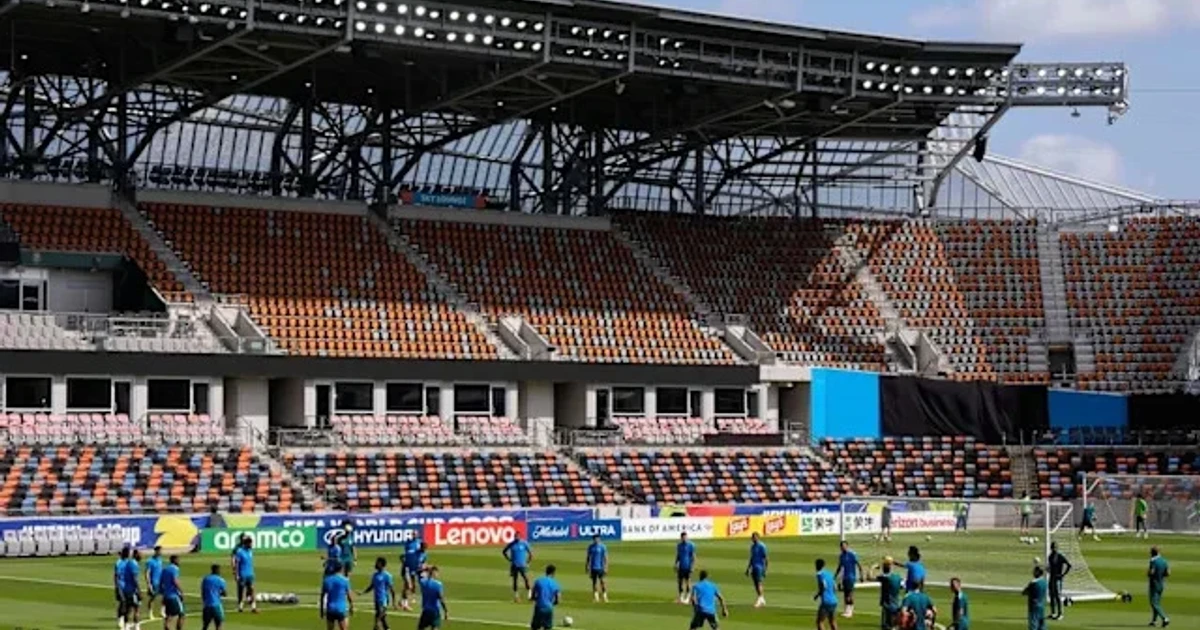
In Ōizumi, Gunma, where a train station is painted in Brazil’s green and yellow, Brazil and Japan meet in Houston with far more at stake than a place in the knockout bracket. For Brazilians living in Japan, many with Japanese ancestry of their own, the matchup collapses family history, migration policy and sporting allegiance into one afternoon at NRG Stadium.
A migration corridor built by labor and ancestry
The Brazilian presence in Japan took shape after Japan amended its immigration law in 1990 to allow second- and third-generation Japanese descendants and their spouses to work in Japan for long periods. That change opened a legal path for dekassegui migration, a flow shaped by Japan’s labor shortages, Brazil’s economic swings and the pull of jobs that could support families back home. By the end of 2020, around 200,000 Japanese Brazilians and their families lived in Japan, according to JICA, while a Brazilian government history page for Expo 2025 puts the broader Brazilian population in Japan at about 210,000.
That movement has never been a one-way exit. People have moved back and forth between Brazil and Japan depending on economic conditions, which means identity is often built in motion rather than in one settled place. Repeated travel between the two countries is a key feature of the migration story, and the legality of the route helped make the flow durable.
Ōizumi as the clearest mirror
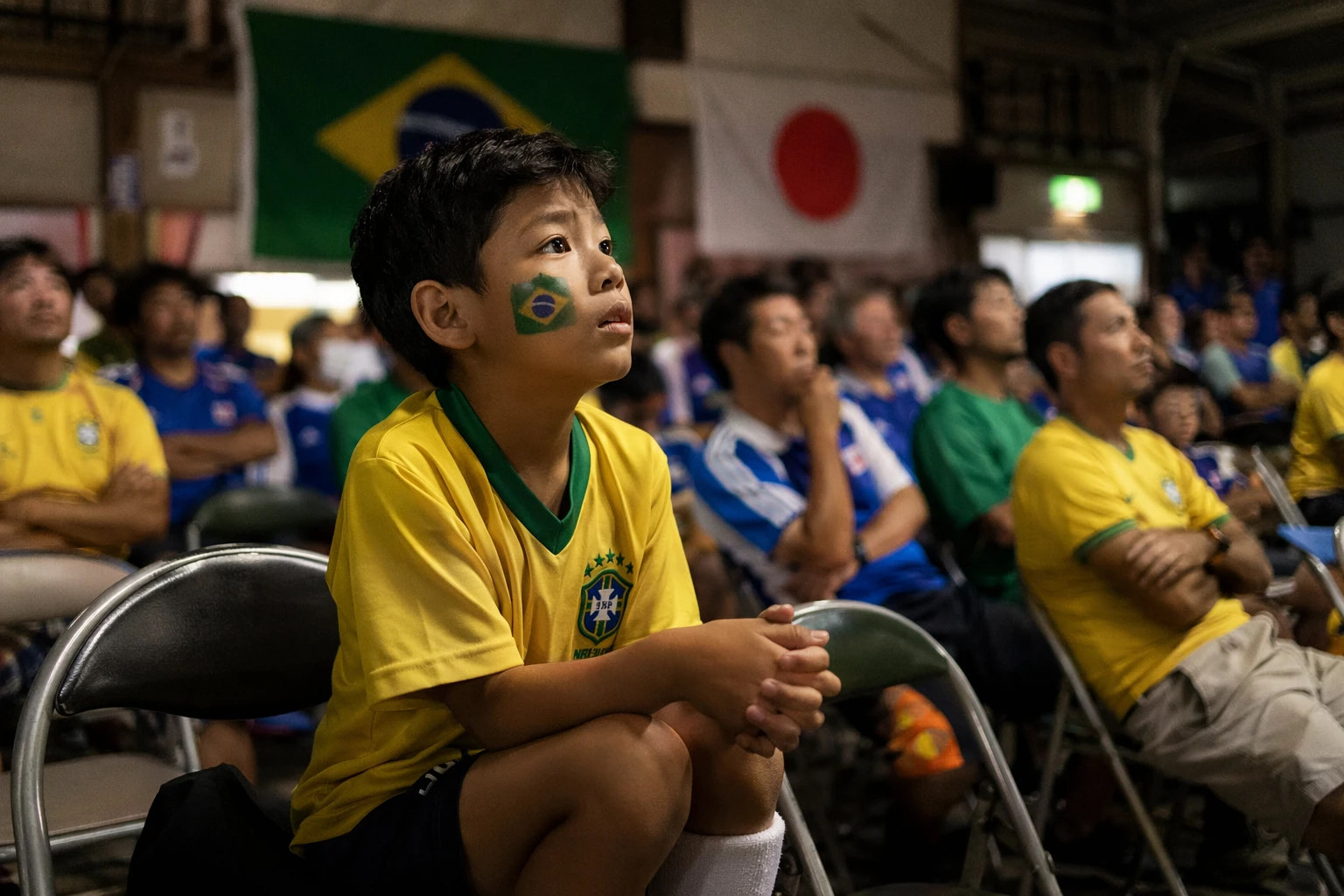
Ōizumi is the most visible portrait of that history. The town, about 90 kilometers northwest of Tokyo, has roughly 40,000 residents, and local officials put the share born outside Japan at about 20%. Just over half of those foreign-born residents are Japanese Brazilians, a concentration that has made the town widely known as Japan’s Little Brazil, or Brazil of Japan.
The Brazilian presence is not abstract there. Visitors see Portuguese-language signs, Brazilian food stores and barbecues. In Oizumi, Norberto Semanaka and his sister Silvia, both born in Brazil and now living in Japan, were at his Brazilian restaurant, while Silvia ran an English lesson.
Why Brazil vs. Japan lands differently
The emotional weight of this World Cup meeting comes from a century-old relationship that runs in both directions. Brazil is home to the world’s largest Japanese community outside Japan, with Japan’s foreign ministry putting the number at 2 million people of Japanese descent there, while an Expo 2025 history page places the number of Japanese and descendants in Brazil at about 2.5 million. Japanese migration to Brazil began in 1908 with the Kasato Maru, and the broader diplomatic relationship dates to 1895.
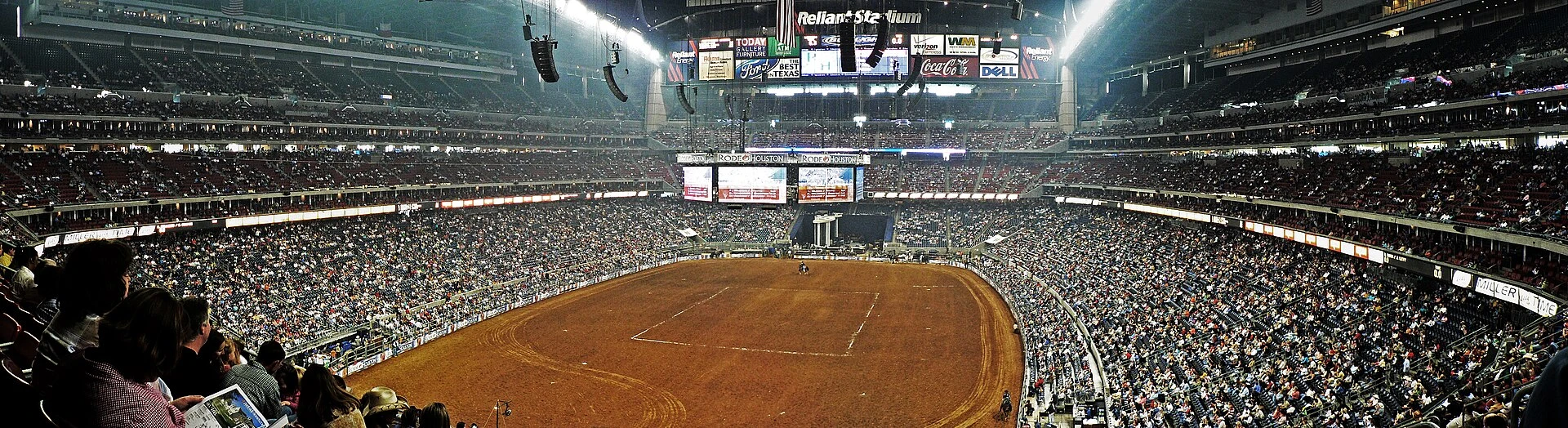
Brazil enters as one of world soccer’s most decorated powers, while Japan has become a serious contender in its own right, partly through the influence of Brazilian football culture that long shaped training, technique and imagination in Japan.
Belonging is negotiated, not inherited
The identity tension in Japan’s Brazilian community is not just about who to support for 90 minutes. It is about how ancestry, language and national life overlap when a child grows up in Japan but hears Portuguese at home, or when a parent is Japanese-descended but feels culturally Brazilian after years in São Paulo. In JICA’s seminar, Nagamura Yukako opened the discussion on Japanese Brazilians, and researcher Haino framed the central question bluntly: “Who are the Nikkei?”
Angelo Ishi, who has spent decades studying Japanese-Brazilian migration, argues that these migrants are not best understood only as returnees on a Japan-Brazil route. He places them within a wider Brazilian diaspora, a framing that fits the lived reality of families in Oizumi, where identity is shaped by movement, work and the decision to raise children between two systems of belonging.
Sources
- [1]nytimes.com
- [2]jica.go.jp
- [3]apexbrasil.com.br
- [4]usatoday.com
- [5]yahoonews.com
- [6]hurights.or.jp
- [7]iom.int
- [8]fapesp.br