World
Japan's first sitting mayor to take maternity leave faces backlash

Shoko Kawata, the 35-year-old mayor of Yawata in Kyoto Prefecture, is set to become Japan's first incumbent mayor to take maternity leave while in office, a decision that has drawn sharp criticism online and exposed the gap between national gender goals and local political norms.
Kawata announced her plan on May 21 and told reporters on May 26 that she would take leave from July 20 to around early November, with her due date in mid-September. The city government said she married in December 2025 and is expecting her first child. Kawata said she would keep up with urgent decisions remotely and remain informed online while away, and she said support from the city assembly and municipal government would be essential for mayors who take maternity or child-care leave.
The case has also highlighted a legal blind spot. Japan has no formal framework that guarantees or regulates maternity leave for elected officials, even though public employees can take such leave under the standard system. After Kawata's announcement, Yawata officials began checking relevant laws and regulations, underscoring how little precedent exists for a sitting mayor to step away for childbirth without clear rules on coverage, delegation or pay.
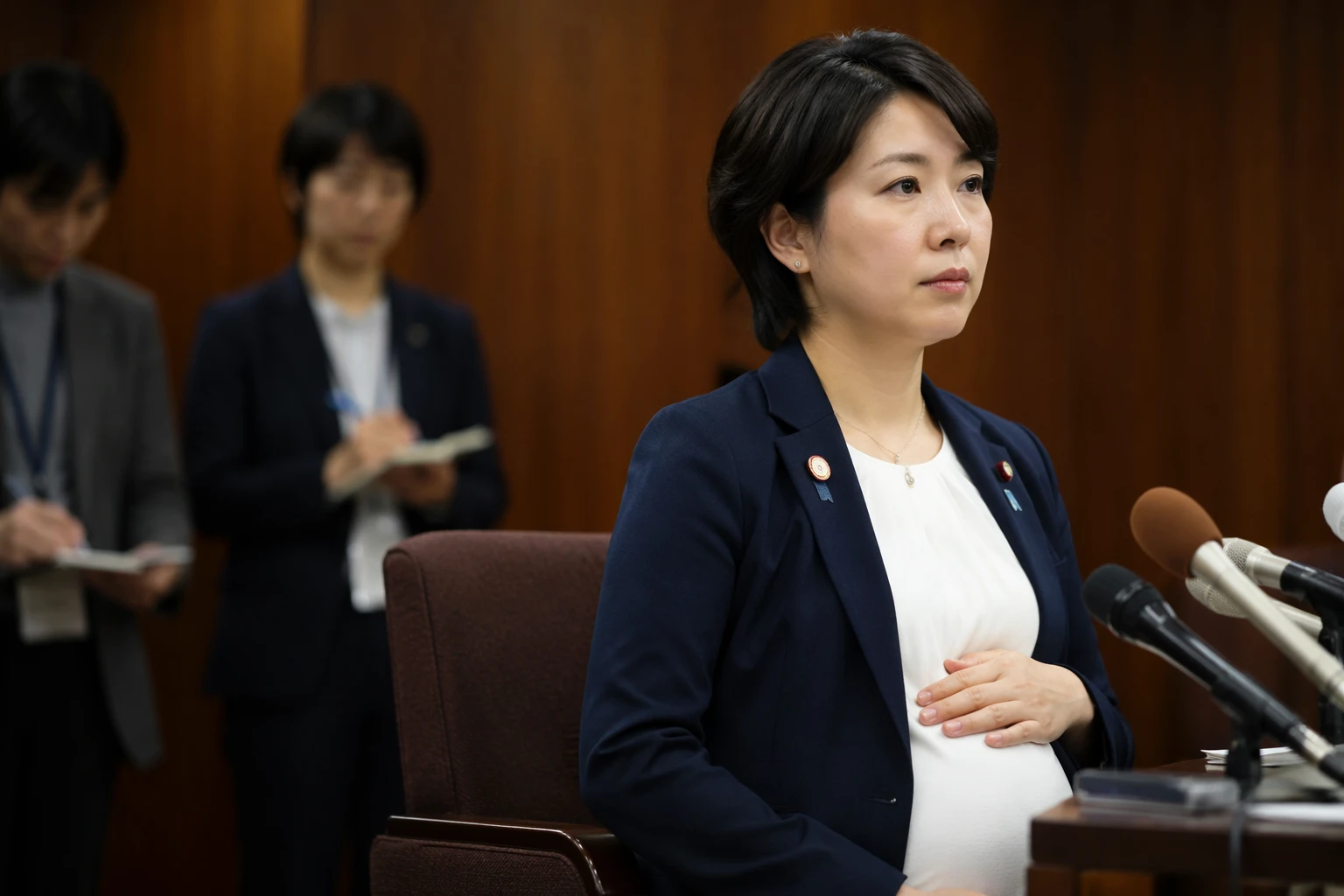
National organizations have already described the move as the first case in Japan of an incumbent local government leader taking maternity leave, including the Japan Association of City Mayors, the National Governors' Association and the National Association of Towns and Villages. The backlash has been fierce enough to reach beyond city hall, with critics online calling an elected official's absence a waste of taxpayers' money. Supporters see the opposite: a chance to normalize family leave in public office and force institutions to adapt to working mothers instead of treating pregnancy as a private inconvenience.
The broader context is hard to miss. Japan ranked 118th out of 148 countries in the World Economic Forum's 2025 Global Gender Gap Report, while the Health, Labor and Welfare Ministry said 40.5% of eligible men took childcare leave in fiscal 2024, a record high. Kawata's case shows how far workplace habits still lag behind policy ambitions, and it leaves Yawata managing a maternity leave for a mayor under laws written for civil servants, not elected leaders.