Science
Japan’s H3 Rocket Failure: 5-Ton Navigation Satellite Lost in Critical Launch Mishap
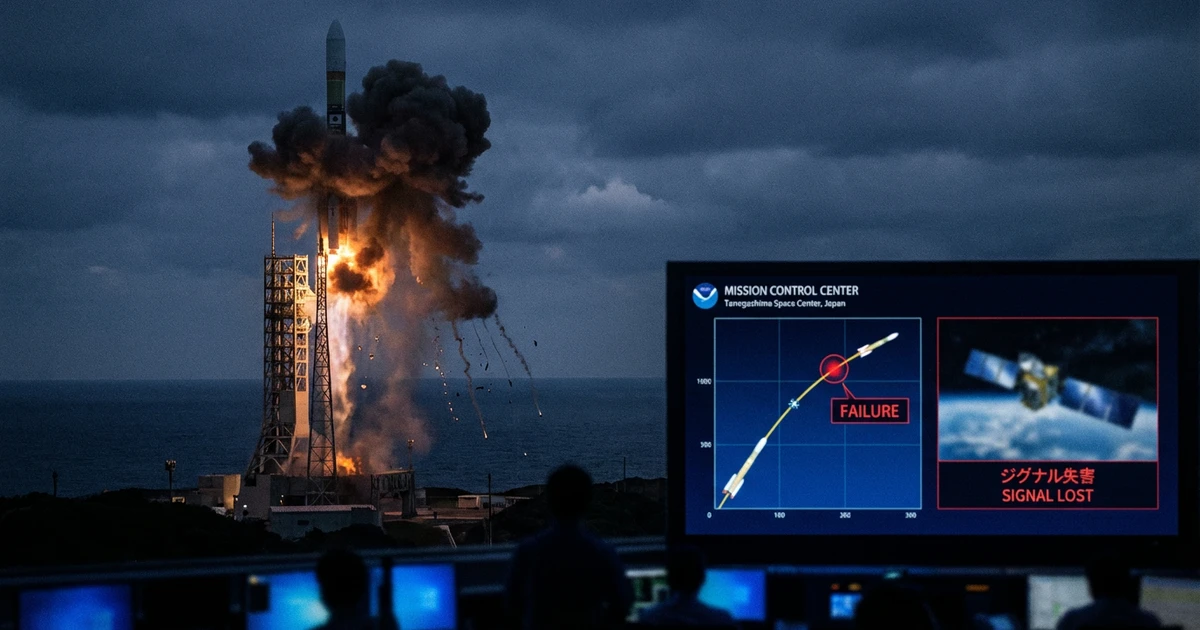
Japan’s ambitious space program suffered a significant setback after a 5-ton navigation satellite was lost in a dramatic launch failure, highlighting ongoing challenges in the nation’s pursuit of independent space access. The incident, which unfolded during the launch of Japan’s next-generation H3 rocket, has drawn widespread attention to technical vulnerabilities and the future of Japanese satellite deployment.
H3 Rocket Launch Ends in Failure
The Japan Aerospace Exploration Agency (JAXA) was overseeing a critical mission when the mishap occurred. The H3 launch vehicle, designed to enhance Japan’s ability to deploy satellites for navigation and other purposes, was carrying a 5-ton navigation satellite as its primary payload. According to reports, the satellite was lost after falling off the rocket during launch, resulting from a malfunction that prevented the rocket from placing it into its intended orbit.
Fairing Separation: The Suspected Cause
Initial investigations have pointed to a payload fairing separation anomaly as the key factor behind the failure. The payload fairing, a protective shell that shields the satellite during atmospheric ascent, is designed to detach at a specified point in the flight sequence. In this case, the anomaly prevented the proper separation of the fairing, ultimately causing the satellite to fall from the rocket before it could be safely released into orbit.
- 5-ton navigation satellite lost due to failed fairing separation
- Incident occurred during Japan’s latest H3 rocket launch
- JAXA is conducting a thorough investigation into the cause
Implications for Japan’s Space Program
This failure has significant ramifications for Japan’s H3 rocket program and the nation’s broader ambitions in space. The satellite, weighing approximately 5 tons, was intended to bolster Japan’s navigation capabilities, supporting both civilian and defense applications. The loss not only represents a financial setback but also delays critical technological advancements and future satellite launches planned for the H3 platform.
Technical and Strategic Challenges
The H3 rocket was developed as a modern successor to the long-serving H-IIA rocket, aiming to provide more reliable and cost-effective access to orbit. However, the recent failure underscores the technical complexities inherent in rocket engineering and payload delivery. Japan’s space industry now faces the challenge of diagnosing the root cause, implementing corrective measures, and restoring confidence in the H3 vehicle.
Looking Ahead
As JAXA continues its investigation, the agency’s next steps will be closely watched by international partners and competitors. The outcome will likely influence Japan’s schedule for future launches and its ability to compete in the global satellite deployment market. In the meantime, the loss of the 5-ton navigation satellite serves as a sobering reminder of the risks involved in space exploration and the importance of rigorous testing and quality assurance in launch operations.
For further updates on JAXA’s investigation and the H3 program, visit the official JAXA website.
Sources
- [1]Ars Technica