World
Japan’s Supreme Court upholds dissolution order for Unification Church
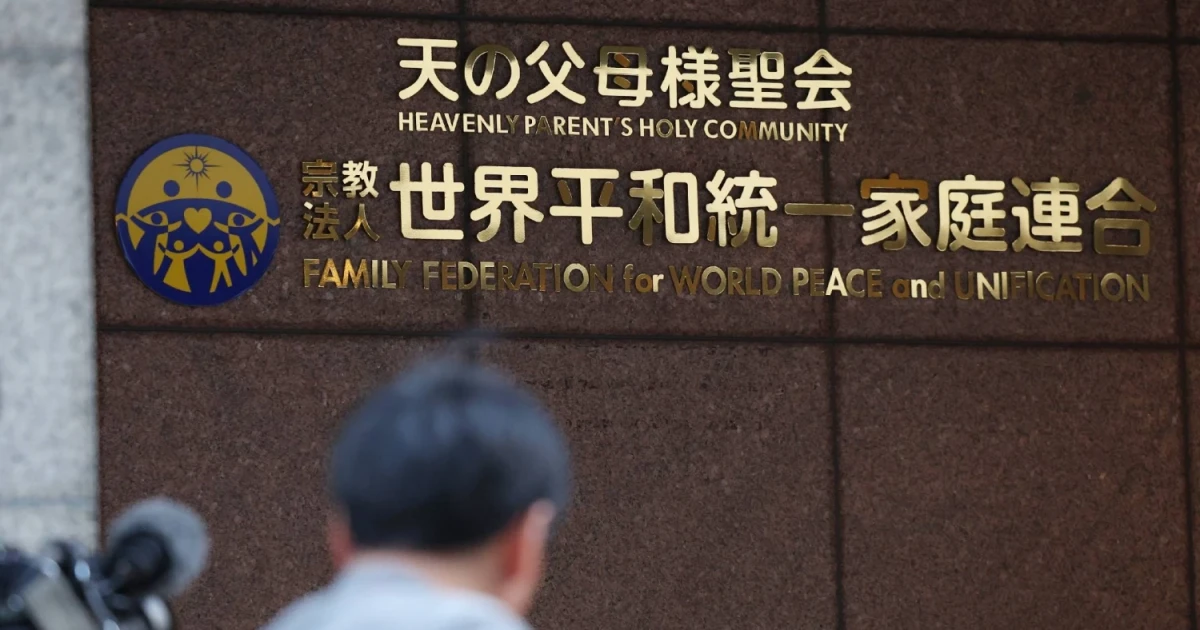
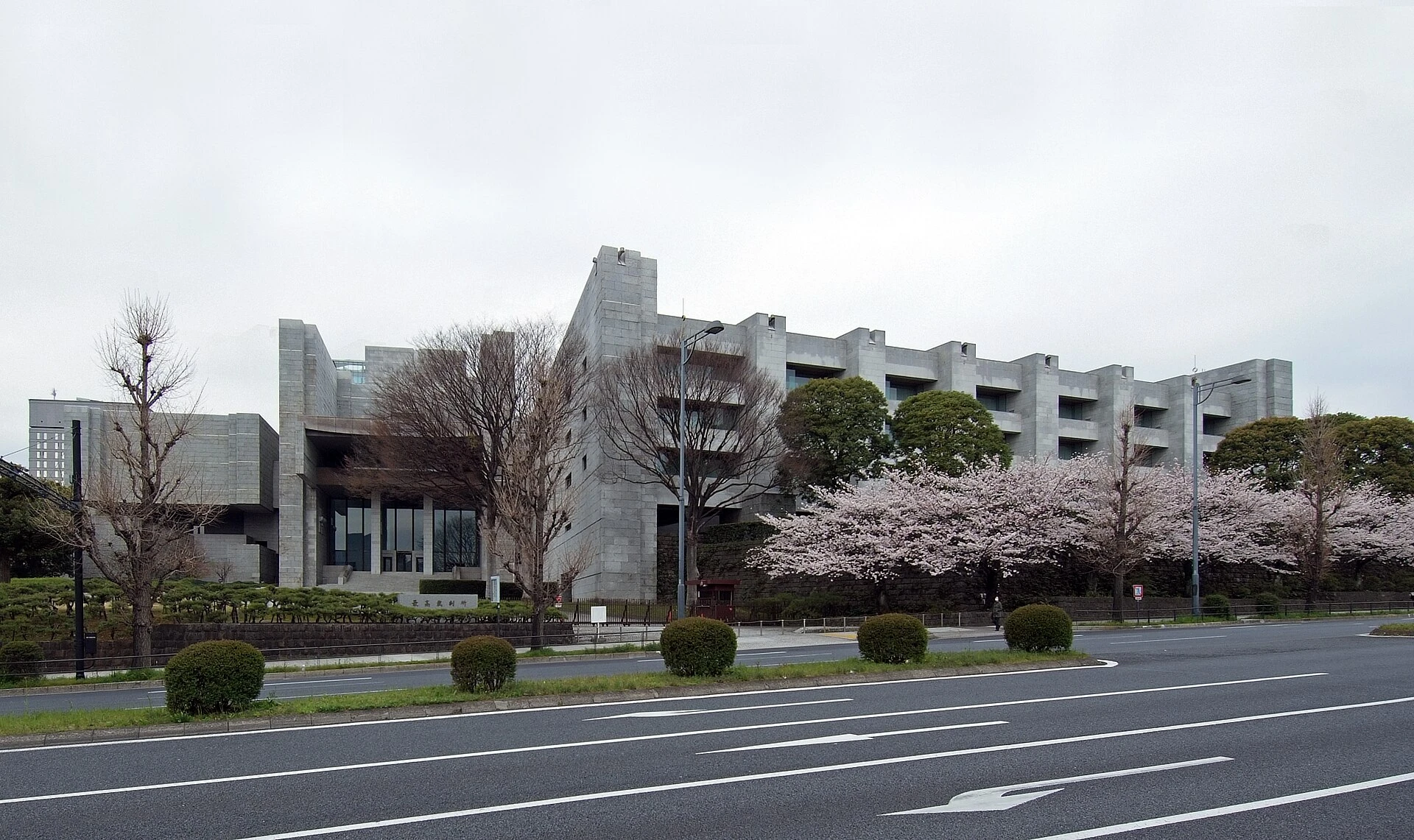
Japan’s Supreme Court upheld the dissolution order against the Unification Church on June 23, clearing the way for liquidation of the religious group’s assets. The Third Petty Bench, presided over by Justice Eriko Watanabe, ruled unanimously that the order did not violate constitutional guarantees of freedom of religion or association.
The decision ends the church’s final appeal and marks the first time Japan’s top court has finalized a dissolution order against a religious corporation on the basis of tortious acts under the Civil Code. The ruling draws a legal line between protected faith and conduct the court found unlawful, signaling that religious status does not shield an organization from civil liability and regulatory action when members and followers are harmed.
The case grew out of years of allegations that the church, formally known as the Family Federation for World Peace and Unification, used aggressive donation-solicitation tactics that pushed followers into financially ruinous gifts and expensive religious-item purchases. Japan’s Ministry of Education, Culture, Sports, Science and Technology filed the dissolution request in October 2023 after the 2022 fatal shooting of former Prime Minister Shinzo Abe intensified scrutiny of the church’s fundraising methods and political influence.
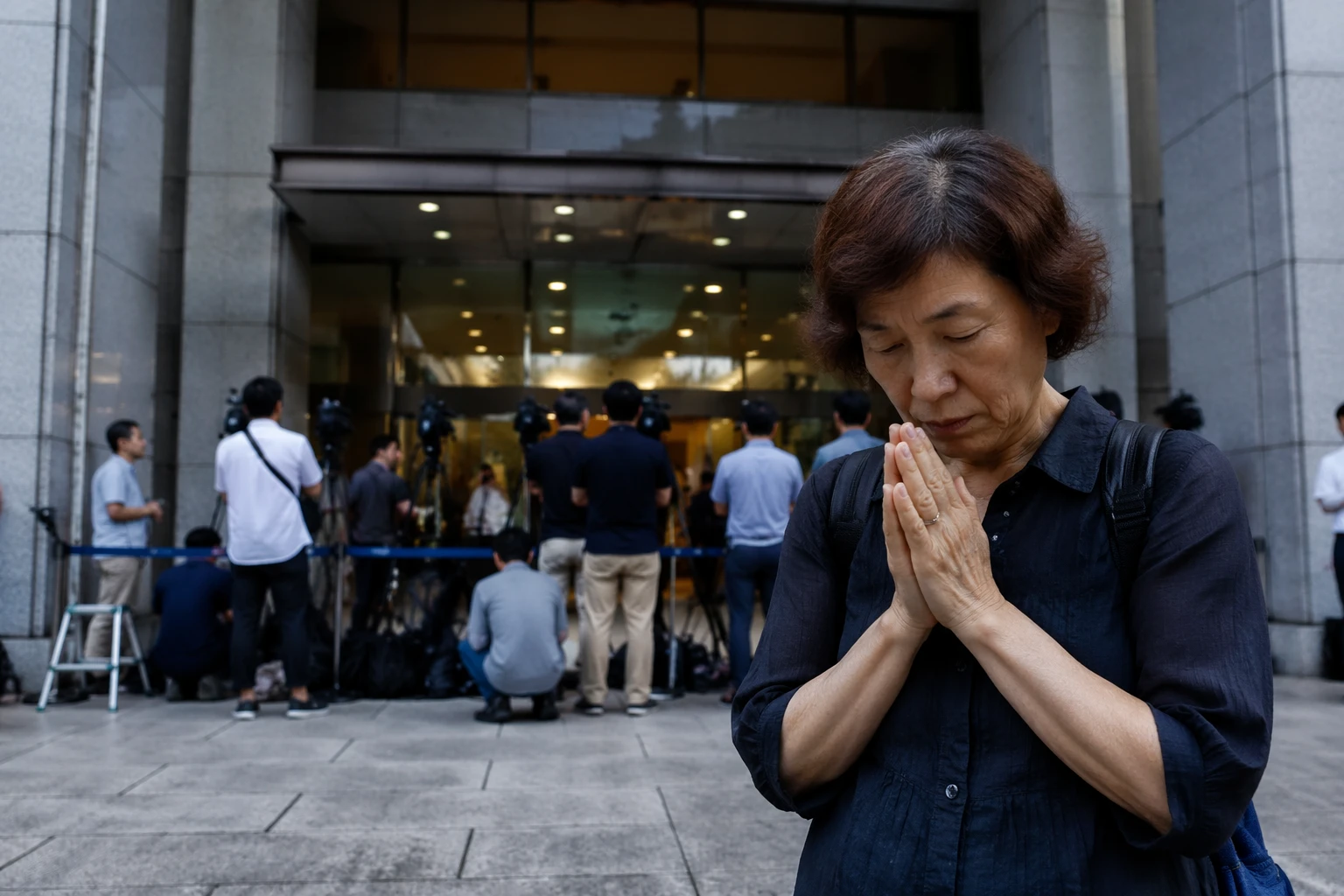
Lower courts had already moved against the organization. The Tokyo District Court ordered dissolution in March 2025, and the Tokyo High Court upheld that order on March 4, 2026. In that ruling, the high court said 1,559 people fell prey to unlawful solicitation over roughly 40 years, with total losses estimated at about ¥20.4 billion. Another account of the same ruling said damages from donation practices between March 1973 and June 2016 came to about ¥7.4 billion.
The church filed a special appeal to the Supreme Court on March 9, 2026, but the high court’s finding stood. Procedures to liquidate the group’s assets will now continue, extending the practical consequences of a case that has consumed Japanese courts for years and forced lawmakers, regulators and religious groups to confront the boundary between belief, coercion and financial abuse.
The ruling also sets it apart from earlier Japanese dissolution orders for religious groups, which were tied to criminal offenses such as Aum Shinrikyo after the 1995 Tokyo subway sarin attack. In this case, the court relied on civil-law tort claims, giving Japan a new precedent for oversight of religious organizations that cross into unlawful conduct without a criminal conviction.