World
Japan’s Youth Pushes Back on Arms Export Shift
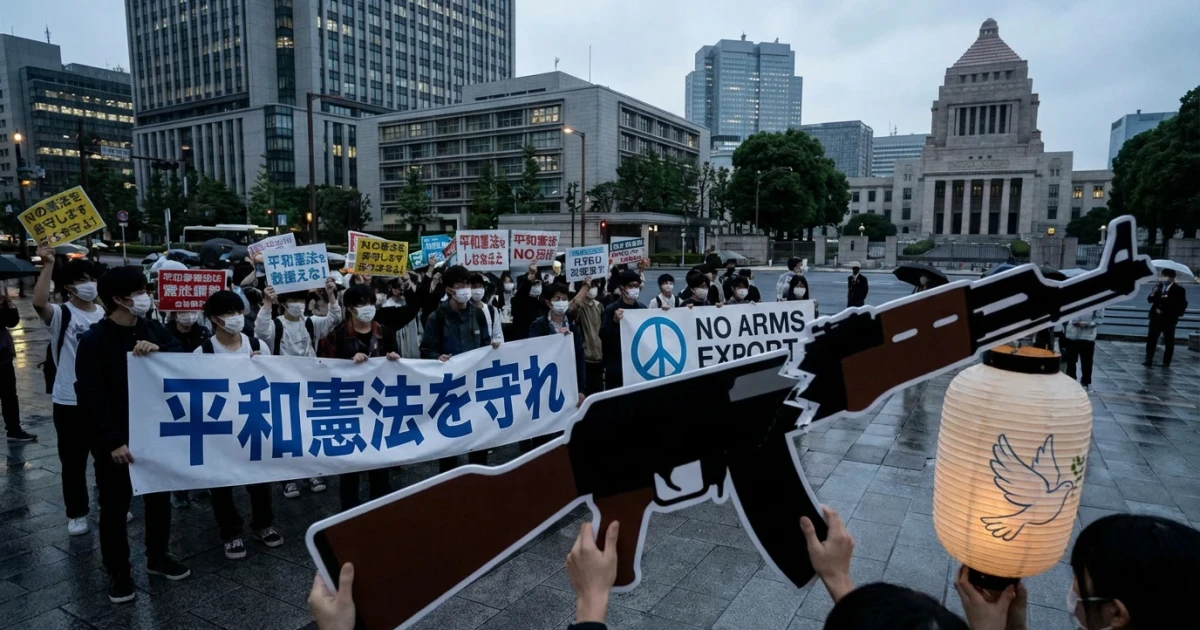
Japan’s government has taken a major step by relaxing restrictions on the export of lethal weapons, a decision that has sparked a wave of activism among the country’s youth determined to protect the core principles of the nation’s pacifist constitution.
Arms Export Policy Faces Backlash
In recent months, the Japanese government approved the scrapping of a longstanding ban on exports of lethal weapons. The Guardian reported that the policy shift is seen as a response to evolving regional security threats and an effort to align more closely with the United States and other Western allies. The decision enables Japanese defense firms to participate more actively in the global arms market, a move that marks a significant departure from Japan’s postwar approach to security and foreign policy.
- Japan’s pacifist constitution, particularly Article 9, renounces war and restricts the country’s military activities overseas.
- The ban on lethal weapons exports had been a key feature of Japan’s security policy since the 1960s.
- The new policy allows for the export of lethal weaponry to countries with which Japan has defense agreements or shared security interests.
Youth-Led Movement Defends Pacifism
The government’s decision has not gone unchallenged. According to The Guardian, a growing number of young Japanese are organizing protests, rallies, and social media campaigns to defend the nation’s pacifist tradition. Many in the younger generation argue that the new arms export policy undermines the spirit of the constitution and risks pulling Japan into foreign conflicts.
Protesters have criticized the government for what they see as capitulation to U.S. pressure, with slogans such as "Stop sucking up to America" becoming rallying cries at demonstrations. The activism is notable for its youthful energy and focus on constitutional protection, reflecting a generational divide on national security issues.
Public Opinion and Generational Divide
While Japan’s government justifies the policy shift as necessary for national security, public opinion remains divided. Recent surveys indicate that support for constitutional revision—and by extension, for more assertive defense policies—tends to be higher among older generations, while younger Japanese are more likely to favor maintaining pacifist principles.
- Official surveys, such as the Cabinet Office’s annual poll, show that a significant portion of youth opposes constitutional changes related to military expansion.
- Activists argue that Japan’s identity as a peaceful nation is a source of pride and global respect.
Security Context and International Pressure
Proponents of the arms export policy point to increased security challenges in East Asia, including North Korea’s missile program and rising tensions with China. The government’s shift is also seen as part of a broader effort to strengthen the Japan-U.S. alliance and contribute to regional stability. However, critics warn that loosening arms export restrictions could escalate military tensions and undermine Japan’s longstanding commitment to peace.
Looking Ahead
Japan’s move to expand arms exports represents a pivotal moment in the country’s postwar history. As the government charts a new course in defense policy, the mobilization of young activists signals that the debate over Japan’s identity as a pacifist nation is far from settled. The outcome of this generational struggle will help determine the future direction of Japanese security policy and its role on the global stage.