Sports
Japón y Países Bajos se preparan para duelo clave en el Mundial 2026
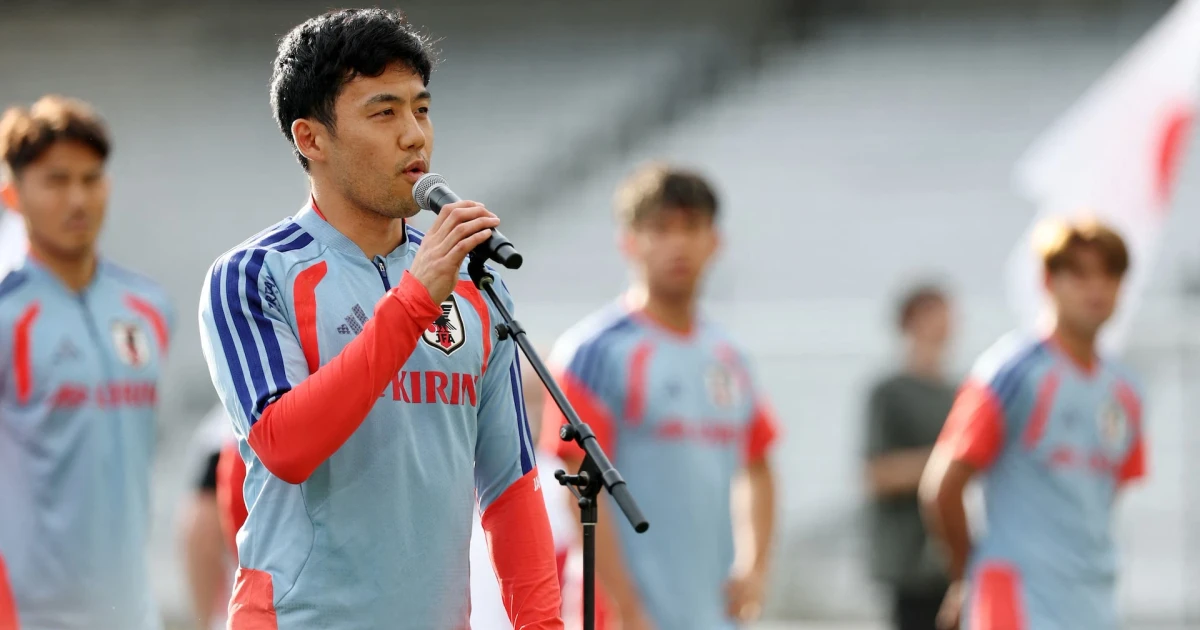
Japan and the Netherlands met at Dallas Stadium at 20:00 in a Group F match that exposed two different World Cup blueprints. Hajime Moriyasu’s Japan arrived with pace, pressing and a core built around Takefusa Kubo, Ritsu Doan, Daizen Maeda and Kaoru Mitoma, while Ronald Koeman’s Netherlands leaned on experience, size and a squad built for control through Virgil van Dijk, Frenkie de Jong and Denzel Dumfries.
The sharpest blow for Japan came just days before kickoff, when FIFA ruled captain Wataru Endo out because of injury on 11 June 2026. Endo’s absence removed a central organizer from a team that had projected greater confidence in recent months and had looked increasingly comfortable with the tempo of international football. That made the workload heavier on Moriyasu’s attacking group, especially in transition moments where Kubo, Doan, Maeda and Mitoma have carried much of Japan’s threat.
The Netherlands entered the match with a 26-player squad named by Koeman on 27 May 2026, and Memphis Depay’s return after a thigh injury added another layer to an already seasoned group. The Dutch had booked their place at the tournament with a 4-0 victory over Lithuania on 17 November 2025, a result that sent them to their 12th World Cup. Their record remains one of the strongest in the field: runners-up in 1974, 1978 and 2010, and into the knockout phase in every World Cup they have played since 1974.
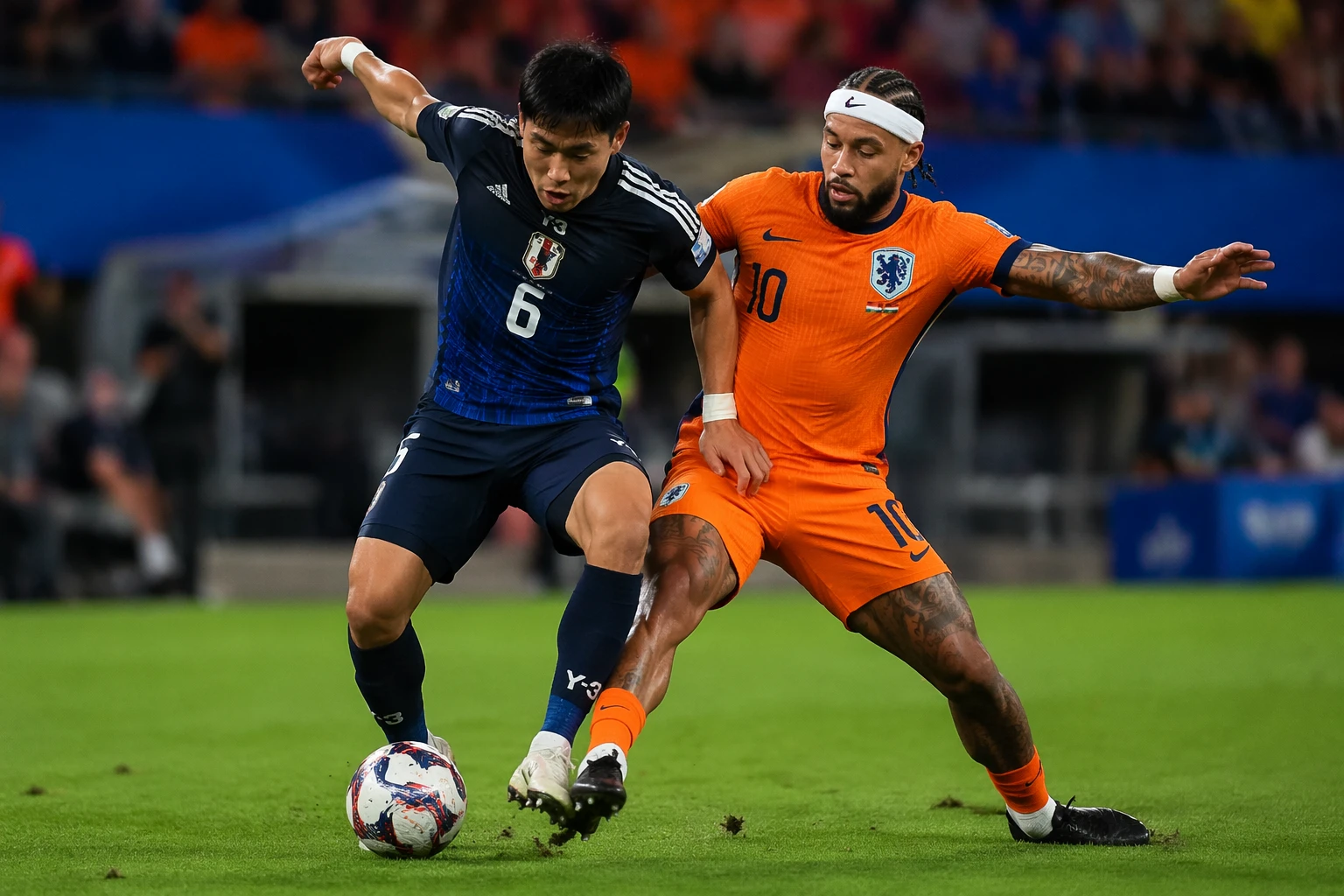
That history gave the fixture extra weight beyond the opening-week schedule. Japan and the Netherlands had already crossed paths at the 2010 World Cup in South Africa, and FIFA pointed to that meeting as the most relevant direct precedent between the sides. This time, the stakes were less about nostalgia than identification: whether Japan could show it had become a more complete tournament side, and whether the Netherlands could translate pedigree into a clean start in a group that demanded discipline from the first whistle.
There was also a subtle football bridge between the nations. Several Japanese players have built their careers in Europe, including in the Eredivisie, creating a direct link between the two systems even before the match began. In Dallas, that connection mattered as much as the scoreline would, because Group F opened with a test of tempo, structure and intent.
Sources
- [1]telemundo.com
- [2]fifa.com