Politics
Jarvis vows to fund military properly after Healey resignation
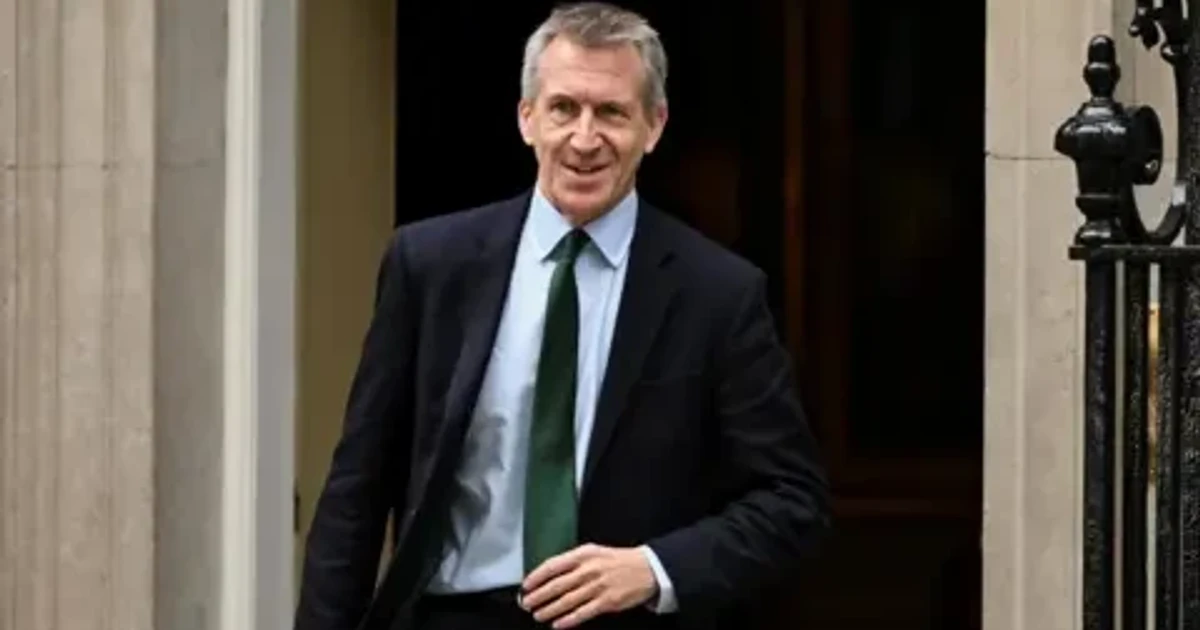
Dan Jarvis took over as defence secretary on Thursday with a pledge to steady Labour’s biggest internal fight over money, after John Healey resigned over the party’s military spending plans. In his first interview, Jarvis said he was determined to secure the funding the armed forces need and that the government must "meet the moment" on defence spending.
Jarvis told the Sunday Telegraph he had a "big responsibility" to soldiers who risk their lives for the country and said it was his job to make sure they get "precisely" what they need. The language was forceful, but the political challenge behind it is sharper still: turning a general promise to strengthen defence into a budget settlement that satisfies the Ministry of Defence, the Treasury and an increasingly uneasy parliamentary party.
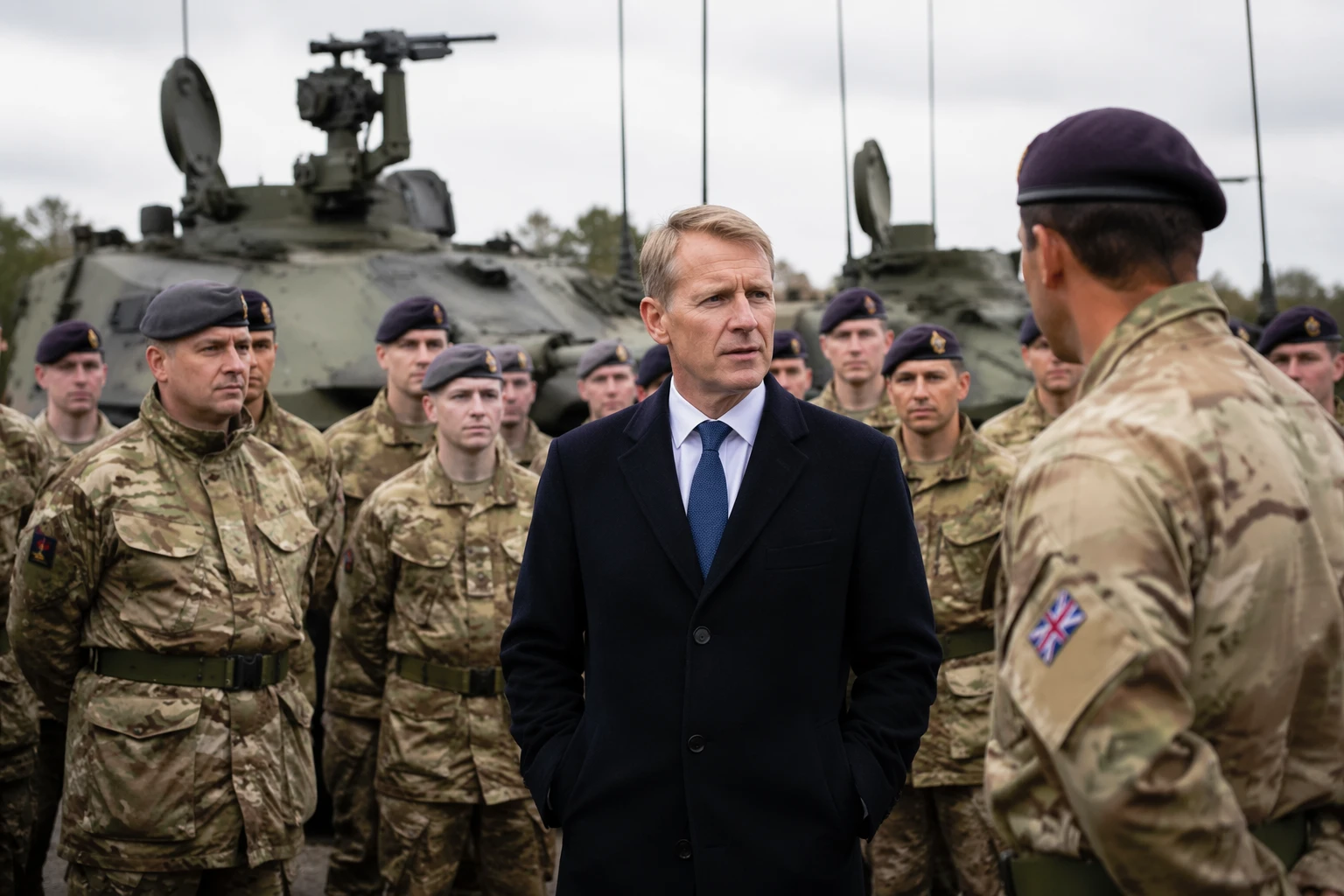
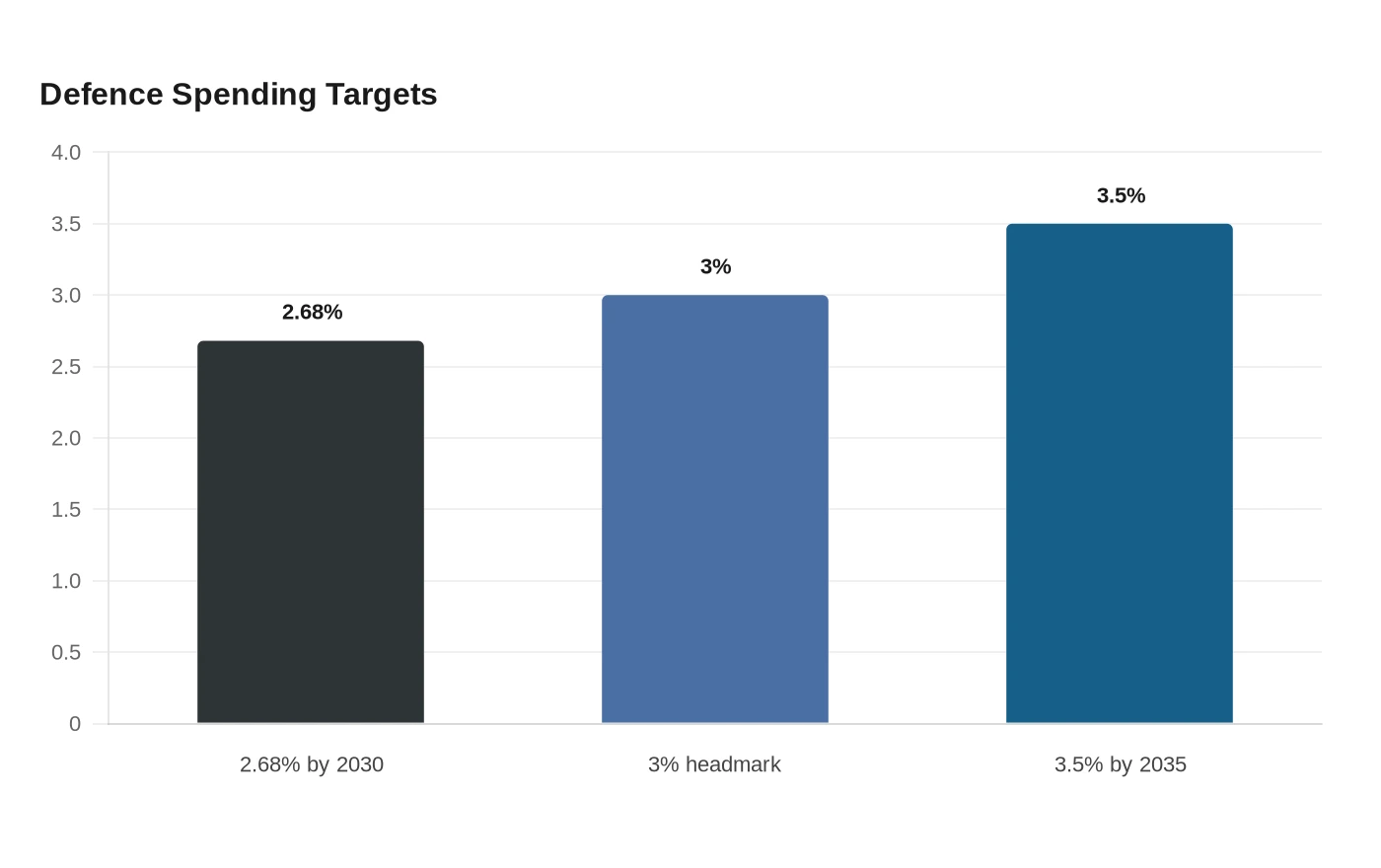
Healey’s resignation exposed the fault line. He quit over the long-delayed Defence Investment Plan, saying it fell well short of what is required and that the government had failed to commit the resources needed as threats grow. Reuters reported that the disputed funding path would take defence spending only to 2.68% of GDP by 2030, below the 3% headmark Healey argued was essential. Labour has also pledged a broader target of 3.5% of GDP for defence by 2035.
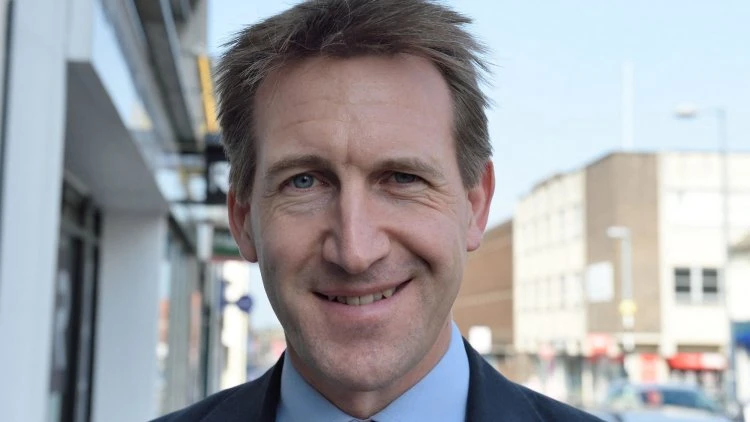
That is the tradeoff Jarvis inherits. If Labour intends to move faster, it will have to show where the money is going, how quickly it can be spent, and what other domestic priorities may have to compete for room inside the wider spending envelope. For now, Jarvis has offered a political commitment rather than a detailed funding map, leaving the next Defence Investment Plan to do the hard work of proving the promise.
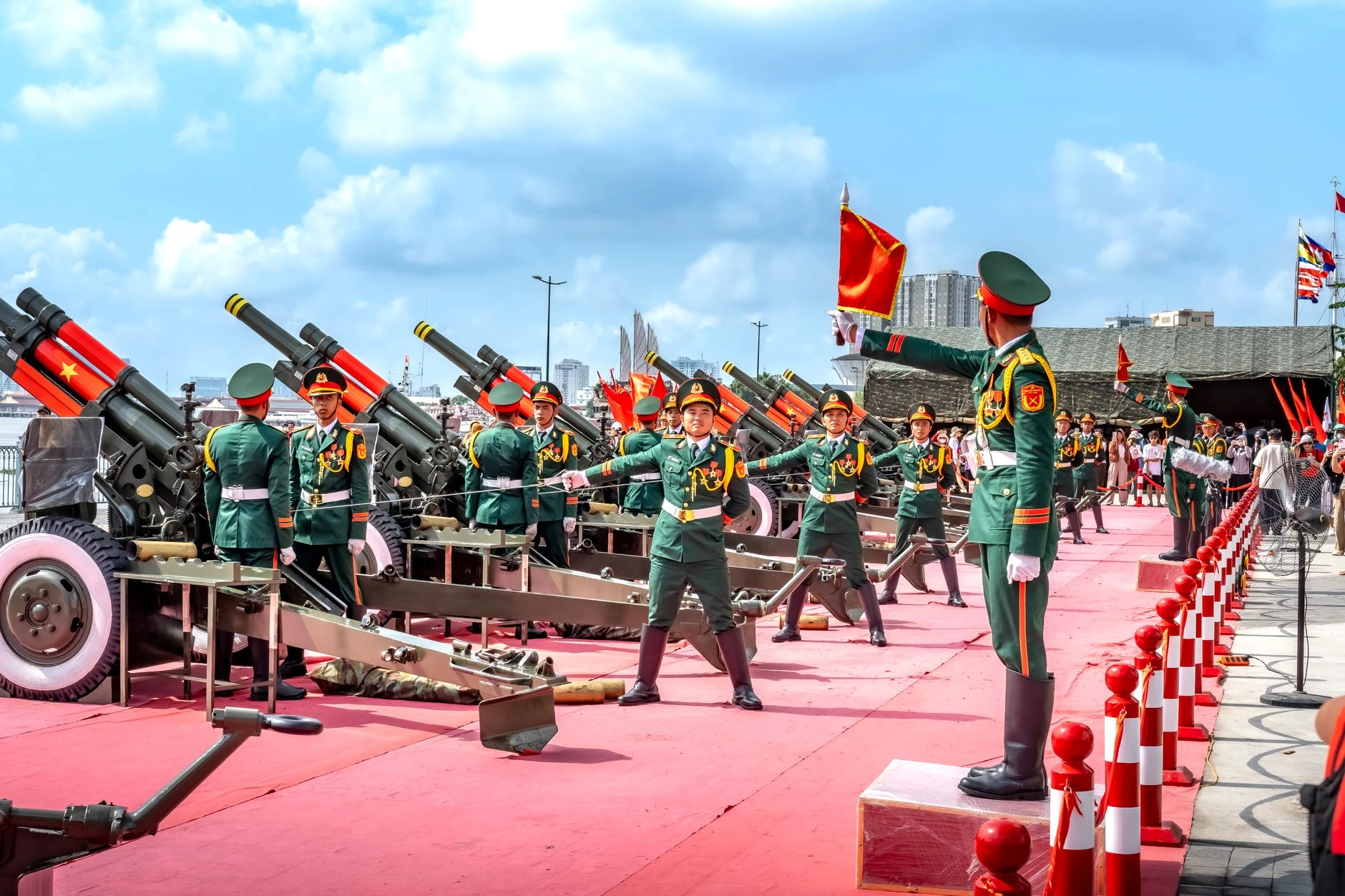
The row has also reached beyond Westminster. NATO Secretary General Mark Rutte welcomed the United Kingdom’s increased investment in defence as an important contribution to the alliance, while Downing Street said Keir Starmer would publish the Defence Investment Plan before NATO’s summit in Ankara in July 2026. That gives the government a short runway to show allies that the resignation was not a sign of drift, and that Labour’s tougher rhetoric on defence amounts to more than a rebrand.
Sources
- [1]bbc.com
- [2]telegraph.co.uk
- [3]reuters.com
- [4]gov.uk
- [5]chathamhouse.org
- [6]independent.co.uk