Sports
Jaylen Brown trade leaves Celtics searching for a new identity
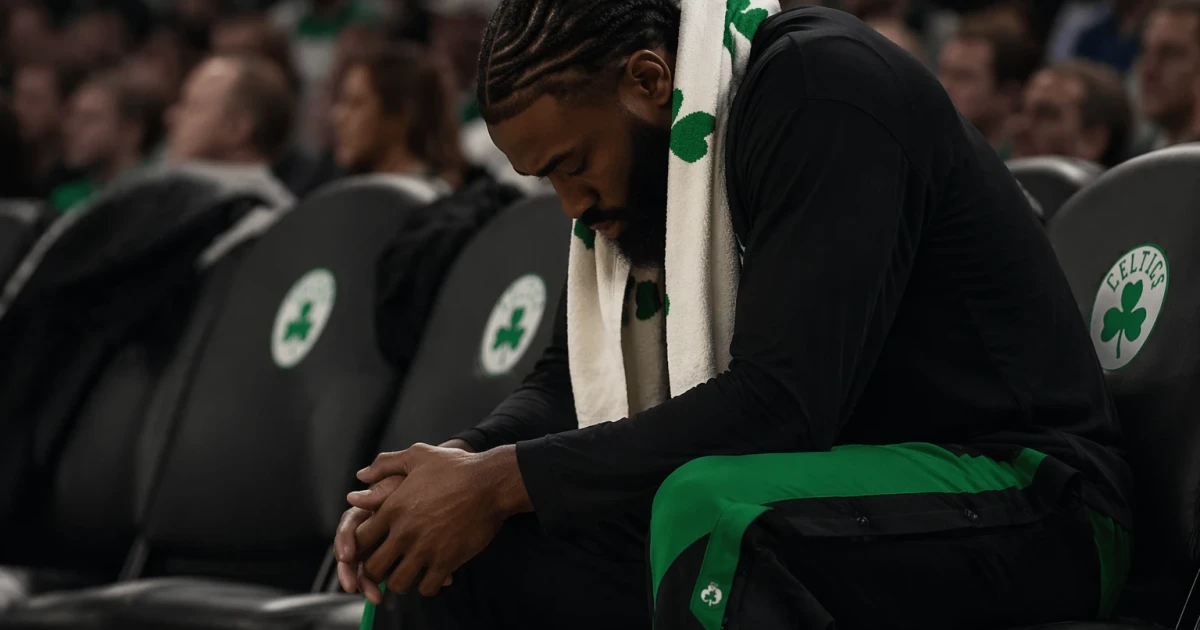
Joe Mazzulla said the Celtics were still processing Jaylen Brown’s trade and now had a “different identity” after Boston sent its franchise cornerstone to Philadelphia in a move that ends a 10-season run built around one of the NBA’s most durable two-way stars. Mazzulla made his first public comments on the deal at Summer League practice in Las Vegas on Thursday, July 9, while the Celtics tried to absorb the loss of a 29-year-old player who had been central to everything they built.
The trade was officially announced by the 76ers on Monday, July 6, and it immediately reshaped a rivalry that had just gone seven games in the first round of the 2026 Eastern Conference playoffs. Philadelphia landed Brown, a five-time All-Star, two-time All-NBA selection and the 2024 NBA Finals MVP, after Boston reportedly agreed to a package centered on Paul George, two first-round picks in 2028 and 2031, and two second-round picks in 2028 and 2030.
Brown had just finished a career year, posting highs of 28.7 points, 6.9 rebounds and 5.1 assists per game in 2025-26. His departure closed a chapter in which Boston had leaned on Brown as both scorer and face of continuity, even as the franchise explored other blockbuster scenarios involving him before settling on the deal that sent him out of the East finals race and into a division rival’s lineup.

Mazzulla said he trusted the organization’s decision and that the move was not black and white, but the language around the trade carried the weight of a franchise trying to reset its culture while still chasing wins. Brad Stevens said Boston made the move to keep the team competitive, add draft flexibility and navigate a more difficult salary-cap path, while owner Bill Chisholm backed the same logic. That is the modern bargain of win-now roster building: front offices use leverage to preserve optionality, but the cost is often carried by the player who becomes the currency.
Brown’s response cut through the business rationale. He said he felt a “lack of respect” during the process, that there was “definitely a message being sent,” and that he had seen “no loyalty” in the league. The remarks turned a trade into something larger than roster math, a case study in how quickly a contender can move from building around a star to recasting itself without him. Jayson Tatum’s reaction and Tyrese Maxey’s shock only sharpened the sense that the Celtics and 76ers had crossed from basketball transaction into a broader argument about power, permanence and the emotional cost of constantly living at the edge of a title chase.
Sources
- [1]news.google.com
- [2]nytimes.com
- [3]espn.com
- [4]nba.com
- [5]sports.yahoo.com