Business
JBS Beef Plant Workers End Strike, Resume Work Without New Contract
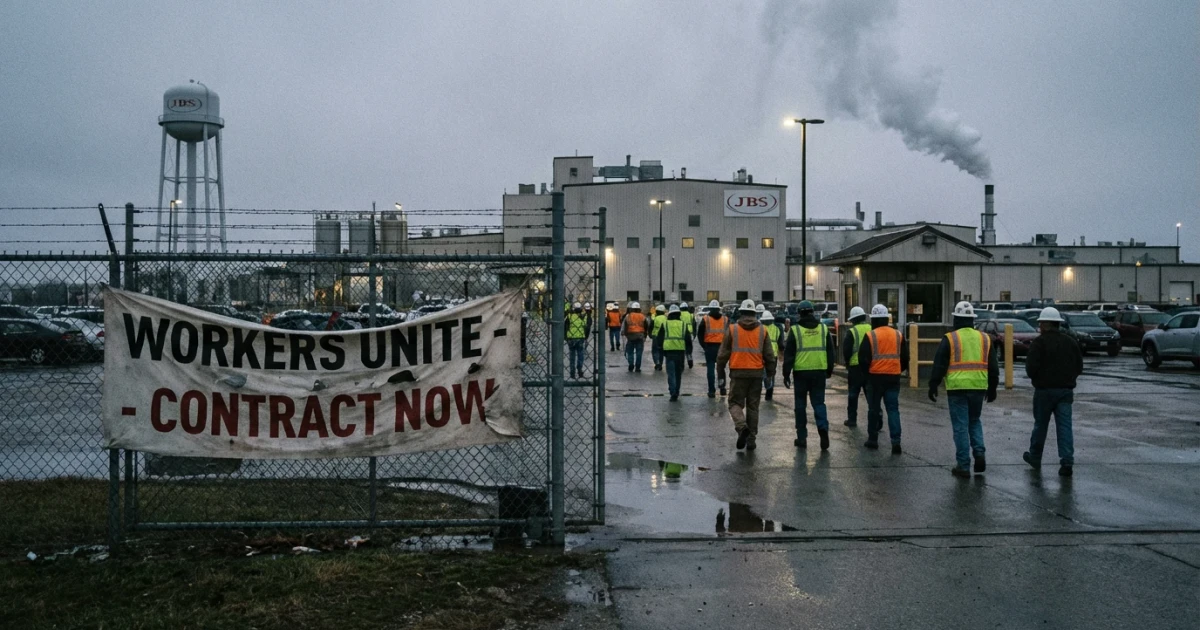
JBS beef plant workers have ended their strike and will return to work, even though negotiations did not result in a new contract agreement with the company's management. The outcome leaves key issues unresolved and has drawn attention to labor conditions in the meat processing industry.
Strike Concludes Without Agreement
According to coverage from 9News, workers at the JBS beef processing facility chose to halt their strike action despite the absence of a new collective bargaining agreement. The strike, which had focused on demands for improved wages, benefits, and working conditions, has underscored ongoing tensions between labor and management at one of the nation’s largest meat processors.
Workers Return Amid Unsettled Issues
The decision to return to work was made after several days of picketing and negotiations that ultimately did not yield the changes sought by union members. Reports indicate that workers will resume their roles at the plant, but significant issues related to compensation, safety, and work hours remain unresolved. JBS, a major player in the U.S. beef processing industry, has previously faced scrutiny over workplace safety and labor practices.
- JBS is part of a sector employing tens of thousands, with the animal slaughtering and processing industry reporting over 500,000 workers in recent years.
- Workplace safety remains a concern, with OSHA records documenting inspections and violations in the sector.
- Union representation and labor disputes are tracked by the National Labor Relations Board, highlighting the ongoing challenges in collective bargaining at facilities like JBS.
Industry Context and Broader Implications
The resolution of the strike without a new agreement is emblematic of broader trends in the beef processing industry, where labor shortages, workplace safety, and wage concerns have become increasingly prominent. Data from the USDA Economic Research Service show that production demands have remained high, intensifying pressure on workers and management alike.
Union actions at JBS and other major processors are part of a nationwide movement advocating for improved labor standards. National statistics from the Bureau of Labor Statistics indicate that union membership in the private sector remains low, but sectors like meat processing continue to see significant organizing efforts.
What Comes Next?
With workers returning to the plant, attention now turns to whether further negotiations can resolve the outstanding issues. The lack of a new agreement means that both parties are likely to remain at the bargaining table, with labor advocates emphasizing the need for sustained improvements in pay, safety protocols, and working conditions. The outcome at JBS may set the tone for future labor actions in the industry.
For readers interested in exploring the data behind these trends, resources such as JBS Foods' workforce reports and OSHA enforcement records provide additional insight into the current state of the meat processing sector.
As the situation develops, stakeholders across the industry will be watching closely to see whether continued negotiations can deliver the changes workers are seeking, or if further labor actions might emerge in the coming months.