Politics
JD Vance discusses faith, memoir and 2028 presidential ambitions
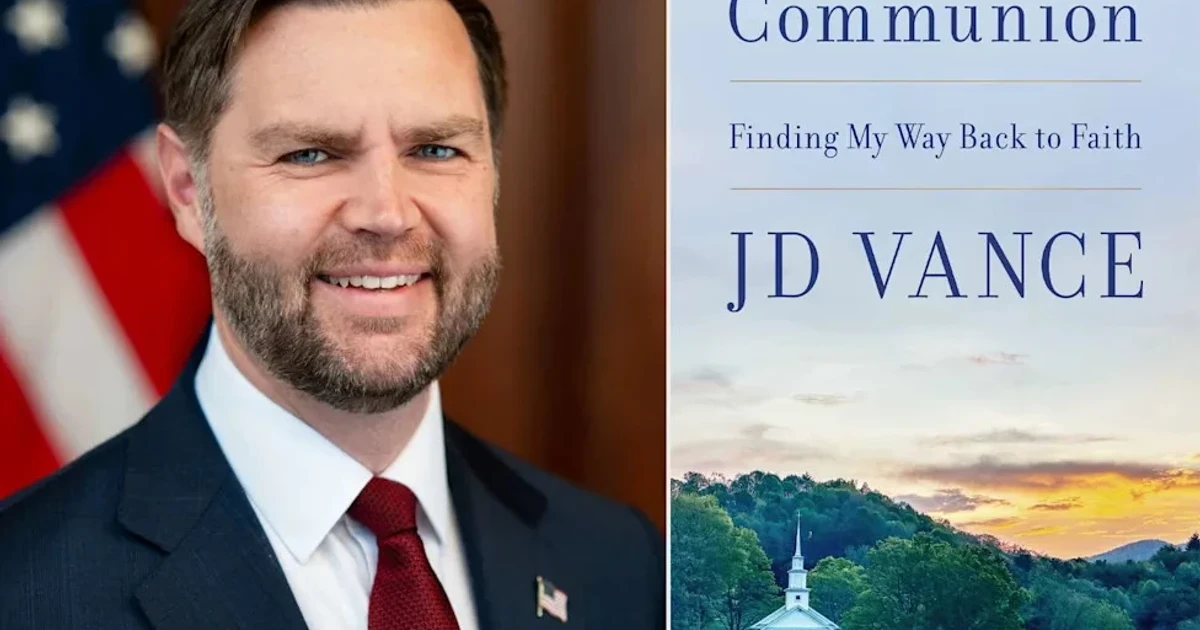
Vice President JD Vance is using faith, family and a forthcoming memoir to sketch a presidential profile without formally announcing a campaign. In a conversation with Robert Costa, Vance discussed Communion: Finding My Way Back to Faith, his conversion to Catholicism and the political future he may pursue after the 2026 midterm elections.
The book, announced by HarperCollins on March 31, is scheduled for release on June 16, 2026, and arrives about 10 years after Hillbilly Elegy made Vance a national figure. That earlier memoir helped define his public identity as a writer from Ohio who turned his personal story into political capital. Communion extends that pattern, placing Vance’s religious life at the center of his public narrative at a moment when he is weighing his next move.
Vance said he and second lady Usha Vance would decide whether to seek the 2028 Republican presidential nomination later this year, after voters go to the polls in the 2026 midterms. He also said President Donald Trump was “very supportive” of that possible decision, a signal that Vance is keeping his options open while still operating inside Trump’s orbit. The careful timing suggests a politician trying to build a viable coalition before ever asking for votes.
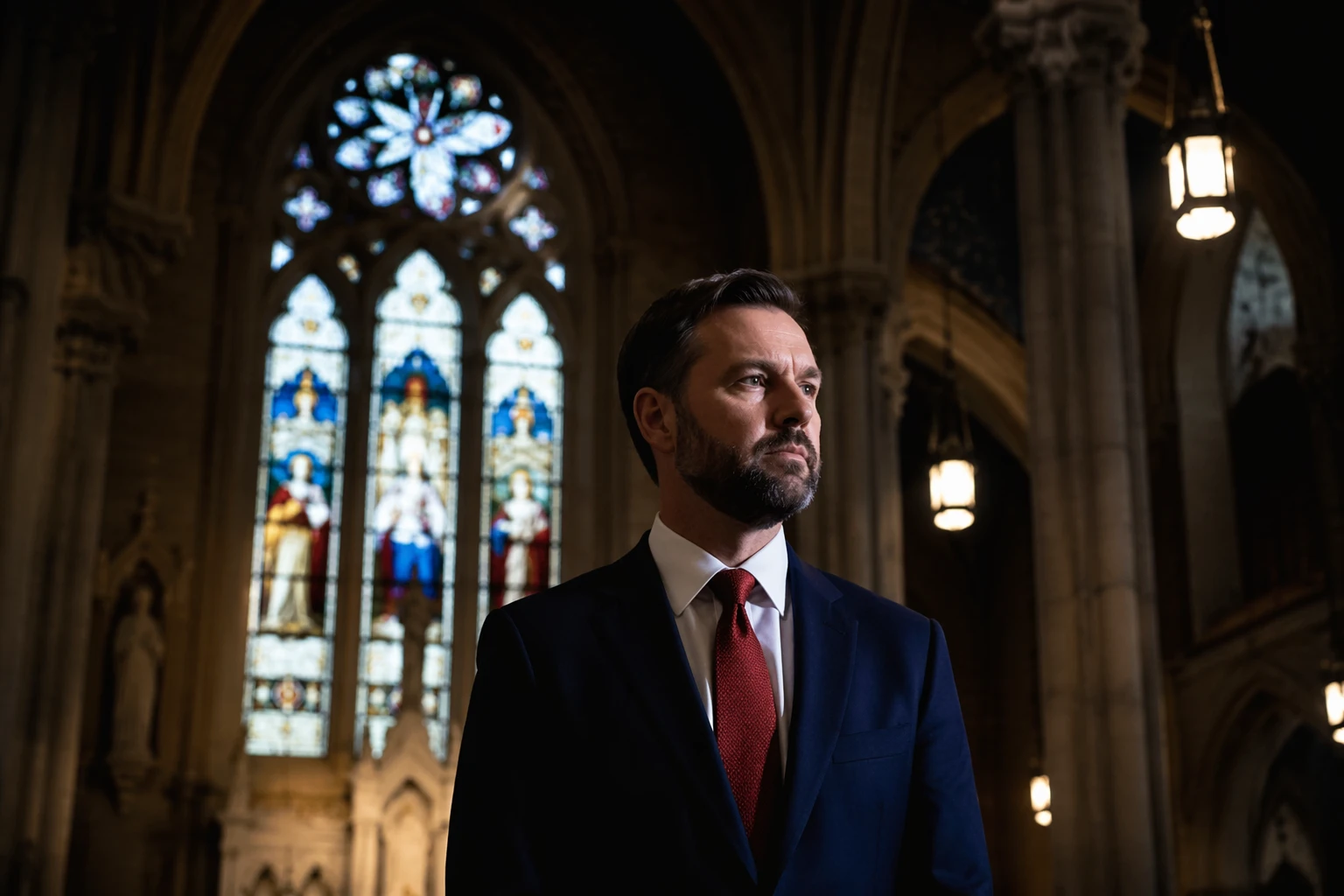
The faith angle is not an abstraction. Vance was baptized and confirmed Catholic in August 2019 at St. Gertrude Priory in Cincinnati, where Father Henry Stephan, a Dominican priest, received him into the church. His conversion has been described as gradual, shaped in part by Dominican friars and by his grandmother, whom he called Mamaw. That story now sits at the center of a national profile that links his upbringing, his marriage and his political future.
The family backdrop is equally deliberate. Vance and Usha are expecting their fourth child, and they already have three children ages 4, 6 and 9. The image is of a young family rooted in Catholicism, a private life that may help Vance appeal to religious conservatives, parents and voters who want a vice-presidential successor to Trump with a more explicitly moral vocabulary.
Taken together, the interview and the book look less like a formal launch than a positioning exercise. Vance is presenting himself as a man of faith, a memoirist and a national Republican with time on his side, signaling to donors, activists and church-going voters that the coalition for a future run is already taking shape.