Politics
Jeffries and Mamdani back rival camps in New York Democratic primaries
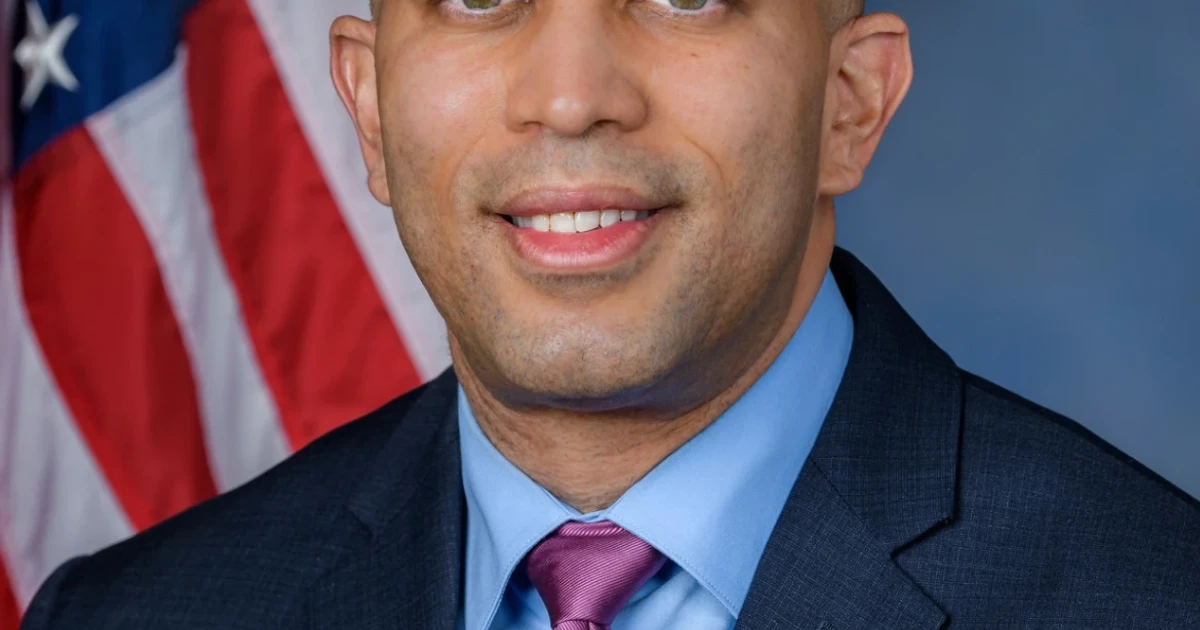
Hakeem Jeffries and Zohran Mamdani put New York’s Democratic primaries at the center of a party-wide fight over its future, with each leader backing rival camps in closely watched congressional races. The clash turned the state into a proving ground for two competing models of Democratic politics, one anchored by party leadership and the other powered by the insurgent left.
The stakes were sharpened by Mamdani’s surprise rise in the city’s 2025 mayoral primary, where he won the final ranked-choice round with 573,169 votes after defeating Andrew Cuomo. That result gave Mamdani and his allies a new claim to influence, and it alarmed Democrats who see his democratic-socialist message as too far left for competitive districts and national races.
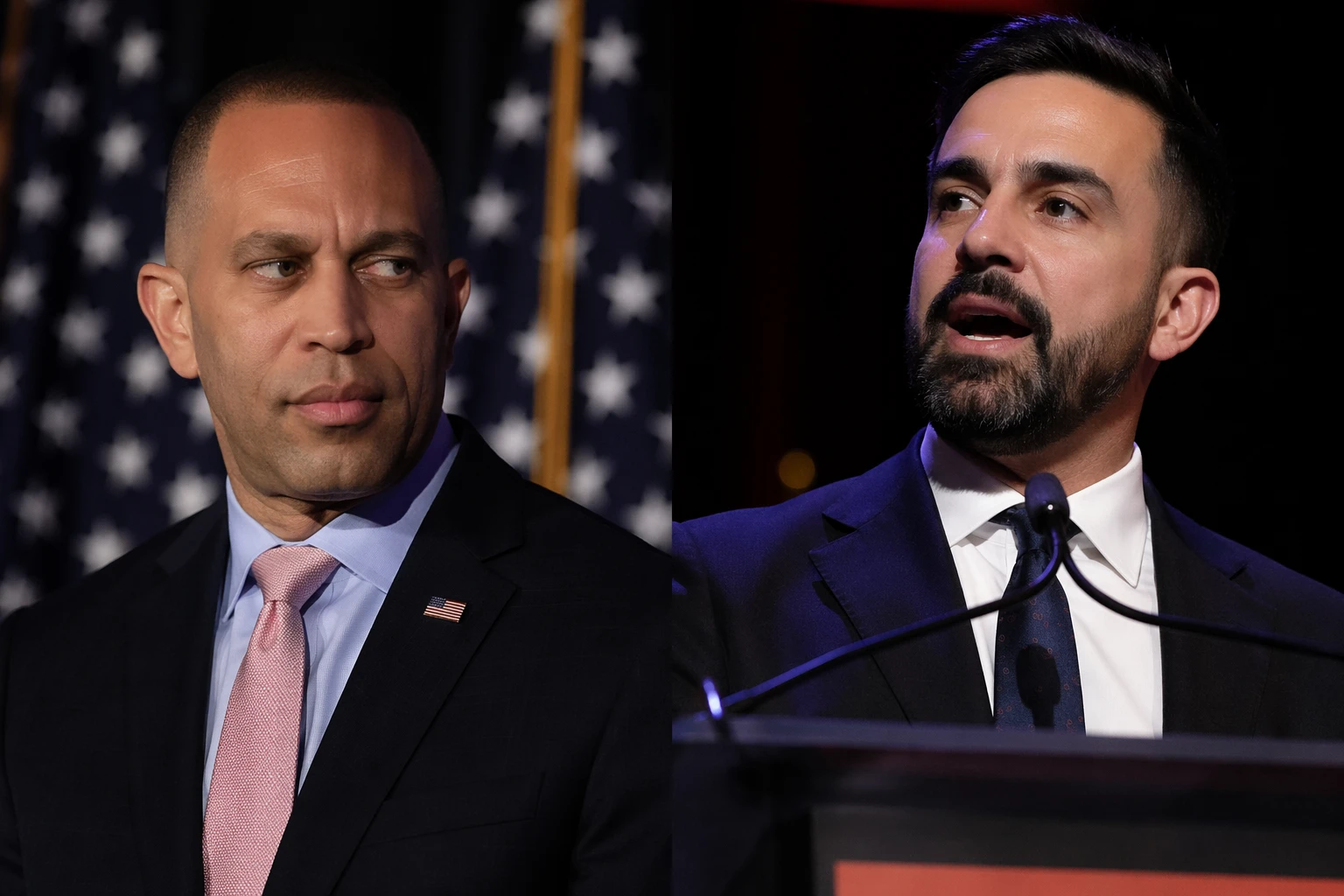
By Election Day, the contest had become a measure of whether Mamdani’s momentum could be converted into durable power inside New York’s congressional delegation. The June 23 primary included nomination fights in New York’s closely divided U.S. House seats, contests that could help determine how much room there is in the party for candidates aligned with the Democratic Socialists of America and how aggressively Jeffries can protect mainstream incumbents and recruits.
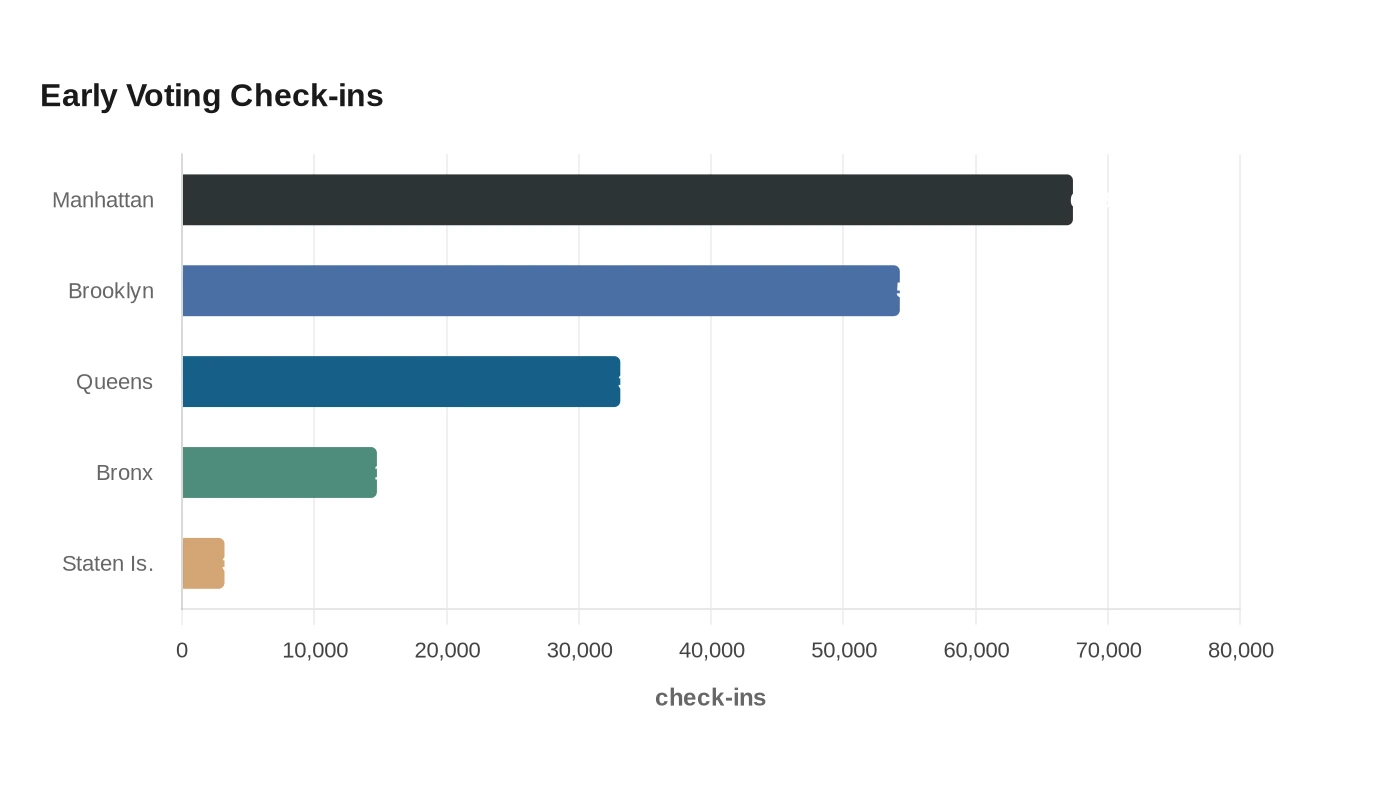
Voting patterns suggested strong interest, even if turnout still trailed the city’s last mayoral fight. The New York City Board of Elections reported 172,743 early-voting check-ins citywide by the end of the nine-day early-voting period, which ran from June 13 through June 21. Manhattan led the city with 67,369 check-ins, followed by Brooklyn with 54,277, Queens with 33,143, the Bronx with 14,739 and Staten Island with 3,215.
Polls were open from 6 a.m. to 9 p.m. on Tuesday, June 23, as Democrats across New York cast ballots in races that could shape recruiting, messaging and coalition strategy well beyond the state. For Jeffries, the contest tested whether the party’s center of gravity could still hold. For Mamdani, it was another chance to show that his 2025 victory was not an anomaly, but the start of a broader ideological shift.
Sources
- [1]news.google.com
- [2]vote.nyc
- [3]apnews.com
- [4]reuters.com
- [5]axios.com