Lifestyle
Jerusalem’s Eucalyptus Restaurant Announces Closure
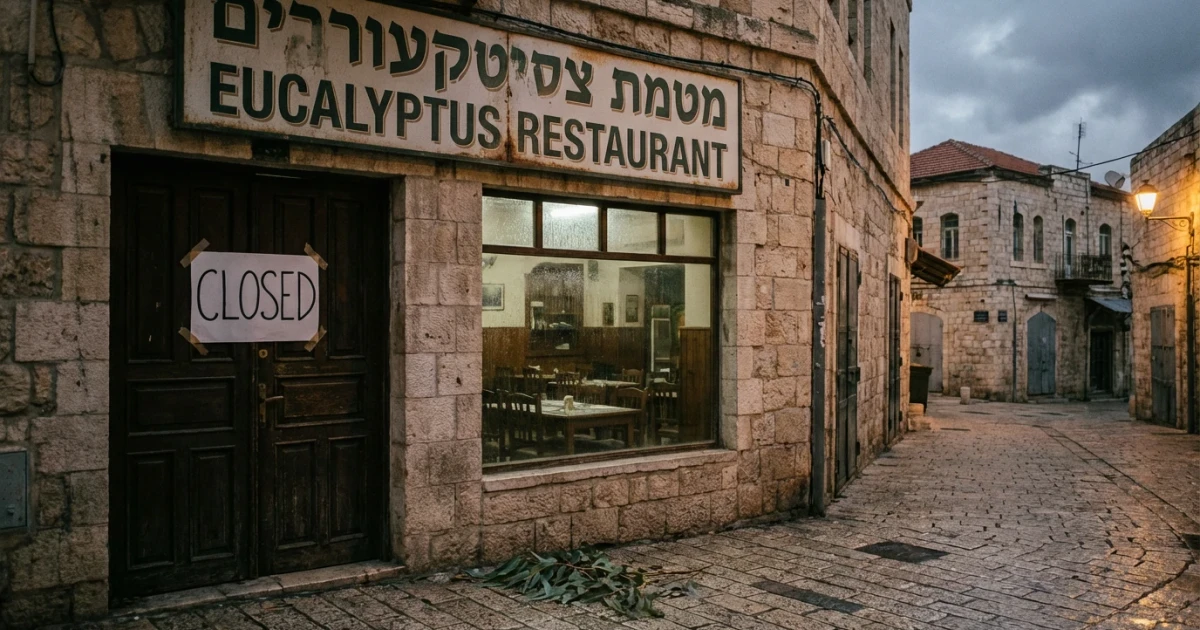
Eucalyptus, one of Jerusalem’s most celebrated and longstanding restaurants, is set to shut its doors, according to a recent announcement. The decision to close marks a significant moment for the city’s vibrant culinary landscape, as the establishment has long been known for its dedication to local ingredients and historical recipes.
End of an Iconic Era
The Eucalyptus restaurant has been a fixture in Jerusalem’s culinary scene for decades, earning a reputation for its creative reinterpretations of ancient biblical cuisine. Founded and led by renowned chef Moshe Basson, Eucalyptus is particularly recognized for its use of indigenous herbs and traditional flavors, blending history with modern gastronomy. Over the years, the restaurant attracted both locals and international visitors eager to experience dishes rooted in the region’s diverse heritage.
Impact on the Local Community
The closure of Eucalyptus comes at a time when Jerusalem’s hospitality sector has faced a series of challenges, including shifting tourism patterns, economic pressures, and evolving consumer preferences. According to recent data, restaurants in the city have navigated changing regulations and a competitive market, with closures and openings reflecting broader economic trends. The departure of such a well-established institution underscores the difficulties many local restaurateurs face in maintaining long-term operations.
- Eucalyptus was known for its focus on biblical and local cuisine
- The restaurant played a significant role in Jerusalem’s reputation as a culinary destination
- Its closure highlights ongoing challenges in the restaurant industry, including regulatory and economic hurdles
Cultural Significance
Eucalyptus was more than just a restaurant; it was an ambassador for Jerusalem’s unique food culture. The eatery frequently appeared in guides to the city’s best dining experiences, and helped introduce both locals and tourists to the concept of ‘biblical cuisine’—meals inspired by historical texts and traditional ingredients. Its innovative approach won praise from food critics and regular patrons alike, making it a must-visit for those seeking an authentic taste of Jerusalem.
Tourism and Economic Context
Jerusalem’s restaurant industry is closely linked to the city’s tourism sector, which has seen fluctuations in recent years. Economic analyses note that high overheads, regulatory demands, and variable tourist flows have put pressure on many hospitality businesses. The closure of Eucalyptus serves as a reminder of the delicate balance between maintaining cultural institutions and adapting to economic realities. For many, its loss is a cultural setback as much as a commercial one.
Looking Ahead
With Eucalyptus closing, questions remain about the future of Jerusalem’s culinary identity and the sustainability of its restaurant sector. While new establishments continue to open and innovate, the departure of iconic venues like Eucalyptus leaves a noticeable gap in the city’s gastronomic and cultural fabric. As the hospitality industry adapts to changing circumstances, Eucalyptus’s legacy is likely to endure, inspiring future chefs and entrepreneurs to celebrate Jerusalem’s rich culinary history.