Business
Jet Fuel Shortage Looms Over Europe as Prices Surge
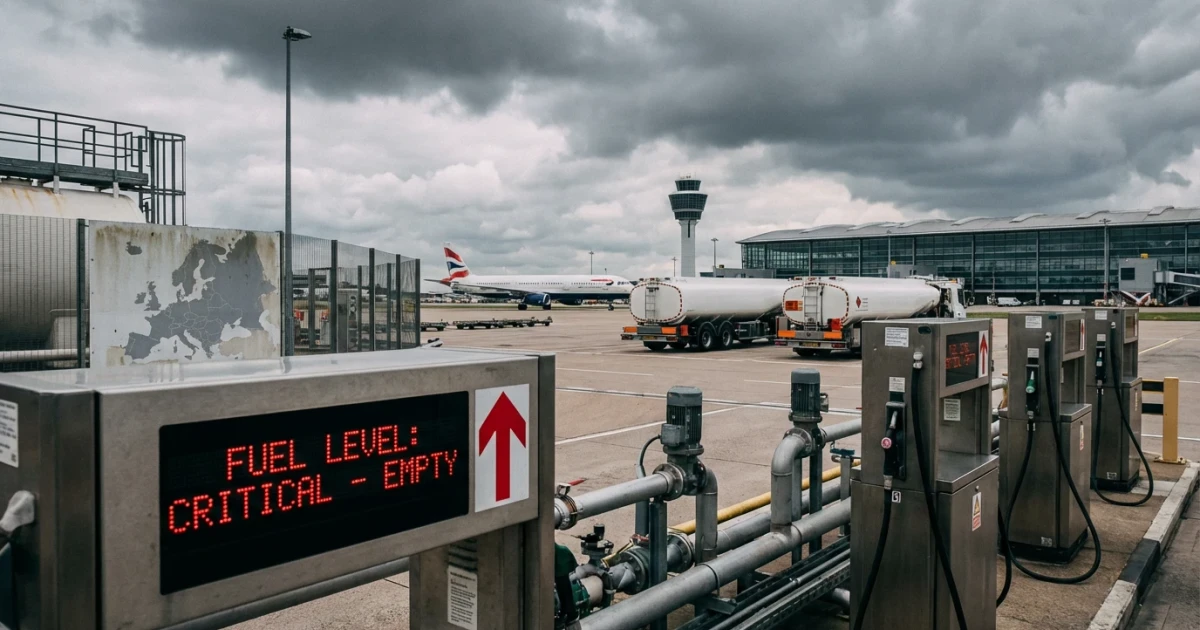
European airlines and travelers are bracing for turbulence as industry leaders warn that the continent could run out of jet fuel within six weeks, citing rapidly dwindling supplies and soaring prices. The warning, first reported by the BBC, has sent ripples through the aviation sector and raised fears of widespread disruption just as travel demand continues to rebound.
Jet Fuel Supplies at Critical Levels
According to a prominent energy executive quoted by the BBC, Europe has “maybe six weeks of jet fuel left,” highlighting the severity of the current supply crunch. This assessment aligns with recent data from the EUROCONTROL Aviation Fuel Supply and Demand Dashboard, which shows declining inventory levels and increased consumption across the region. Industry analysts point to a combination of factors behind the shortage, including supply chain disruptions, refinery maintenance, and lingering effects from global geopolitical tensions impacting crude oil flows.
Official European Union statistics from Eurostat confirm that jet fuel stocks have been trending downward since early 2026, placing additional pressure on airlines to secure adequate supplies ahead of the busy summer travel season.
Price Surge Hits Airlines and Passengers
The tightening supply has had immediate effects on the market. The BBC notes that jet fuel prices have doubled in recent months, forcing airlines to pass on costs to consumers through higher ticket prices. This trend is corroborated by the IATA Jet Fuel Price Monitor, which tracks weekly spot prices and has reported a sharp increase in European jet fuel benchmarks, now outpacing global averages.
- Jet fuel prices have doubled since the start of the year
- Many airlines have responded with fare increases on both short-haul and long-haul routes
- Travelers are already seeing higher costs for summer flights
While some airlines have long-term contracts or hedging strategies to mitigate price swings, smaller carriers and those with less financial flexibility are more exposed. According to market research from the European Parliament, fuel now represents one of the largest components of operating costs for European airlines, making sustained price increases particularly challenging.
Industry Response and Outlook
Faced with the possibility of supply shortages, airlines are reportedly adjusting schedules, seeking alternative fuel sources, and coordinating with regulators to avoid operational disruptions. Some industry experts warn that if the supply crunch extends beyond six weeks, it could result in flight cancellations, reduced capacity, or rerouted services, particularly on less profitable routes.
The BBC highlights growing traveler anxiety, as uncertainty over fuel supplies adds to the pressures of a post-pandemic recovery. Experts argue that unless supply chains stabilize and inventories are replenished, the sector could see continued volatility throughout the year.
Looking Ahead
As Europe counts down its remaining jet fuel reserves, industry leaders and policymakers face urgent questions about energy security and resilience. The ongoing crisis underscores the interconnectedness of global energy markets and the critical role of aviation fuel in supporting mobility across the continent. For now, travelers should prepare for higher fares and the possibility of further disruptions, while airlines and suppliers race to avert a potential fuel shortage that could ground much of the region’s air traffic.