Business
Jet Fuel Shortages Raise Concerns for Global Aviation
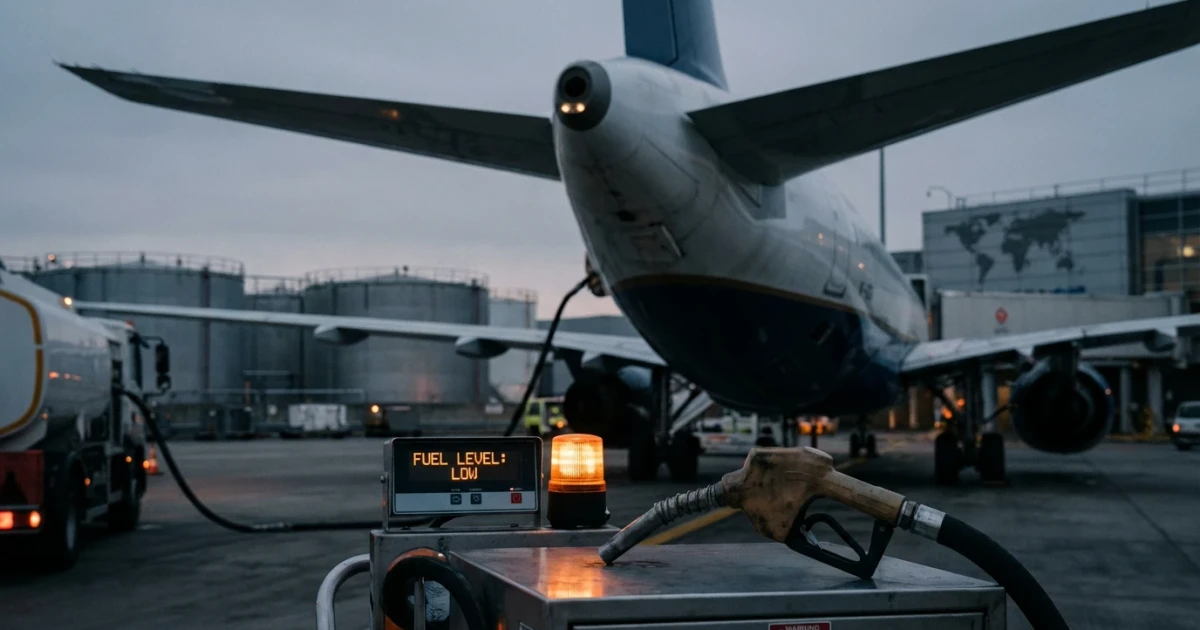
Jet fuel shortages are emerging across major aviation markets, sparking concern among airlines, travelers, and industry experts about the implications for flight operations, ticket prices, and travel schedules in the coming months.
Jet Fuel Supplies Under Pressure in the US and Europe
Recent reports highlight a tightening supply of jet fuel, a crucial resource for commercial aviation. According to AP News, U.S. inventories are lagging behind typical seasonal levels as airlines ramp up schedules for the busy spring and summer travel period. Meanwhile, European energy leaders have issued warnings about dwindling reserves, with a BBC report quoting one industry executive who said the continent may have 'maybe six weeks of jet fuel left.'
Data from the U.S. Energy Information Administration (EIA) shows that monthly jet fuel consumption has been trending upward since the lows of the pandemic, putting additional strain on supply chains still recovering from earlier disruptions. This rise in demand coincides with ongoing challenges in refining capacity and international supply routes, leaving markets vulnerable to tightness and price volatility.
Impact on Airlines and Ticket Prices
Jet fuel is typically one of the largest operating costs for airlines, often accounting for about 20-30% of total expenses. When supplies tighten, spot prices tend to rise—a trend reflected in the latest jet fuel spot market data. The International Air Transport Association’s Jet Fuel Price Monitor also notes significant increases in average jet fuel prices over recent months.
- The cost of jet fuel has a direct effect on airline profitability and often trickles down to ticket prices for passengers.
- Airlines may seek to offset higher fuel costs by reducing less profitable routes, introducing fuel surcharges, or slowing expansion plans.
- Travelers could see higher fares, especially on routes with limited competition or where airlines have less ability to hedge against fuel price swings.
According to industry analysts cited by AP News, the current situation has not yet led to widespread flight cancellations, but any further tightening of supply—especially during peak travel months—could force airlines to adjust schedules or prioritize core routes.
Global and Environmental Implications
Europe’s particularly acute supply crunch has been attributed to a combination of refinery maintenance, geopolitical tensions, and increased competition for refined petroleum products. The EUROCONTROL Data Snapshot points out that European airports have already experienced sporadic fuel rationing, with some carriers forced to tanker fuel (carry extra from other locations) to avoid shortages at destination airports.
This challenge comes as the aviation industry continues to face pressure to reduce its environmental footprint. The International Civil Aviation Organization’s aircraft emissions data shows that jet fuel consumption is closely linked to carbon emissions, and supply disruptions could impact efforts to transition toward sustainable aviation fuels.
What Travelers Should Know
- Travelers are unlikely to see immediate, widespread disruptions, but should monitor airline communications for schedule changes.
- Ticket prices may rise if fuel costs remain elevated or supplies tighten further, especially for summer travel season.
- Some airlines may modify non-essential routes or consolidate flights to optimize fuel use.
- Industry stakeholders are calling for increased investments in refining capacity, alternative fuels, and supply chain resilience to avoid future shocks.
Looking Ahead
While the current jet fuel supply issues have not yet led to major disruptions for most travelers, industry experts caution that continued tightness could affect both airline operations and the cost of flying in the near future. Airlines, regulators, and energy suppliers are closely monitoring inventories and pricing trends, while travelers may want to book early and remain flexible as the situation evolves.