Business
Jet Fuel Spike Raises Concerns for Summer Travel in Europe
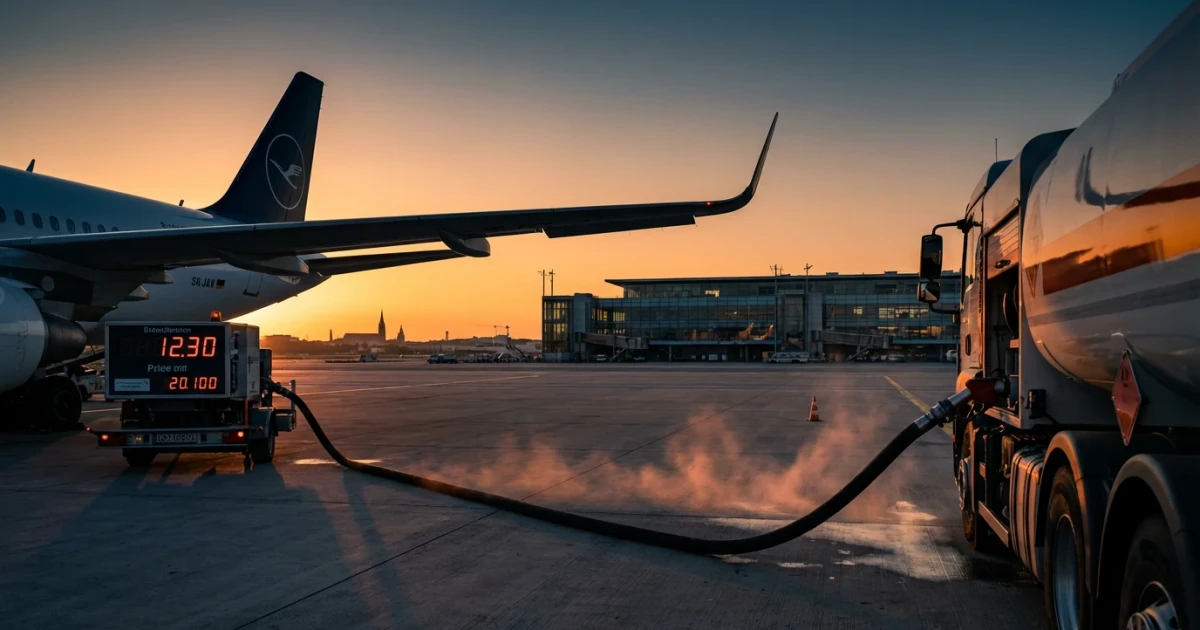
Rising jet fuel prices and emerging shortages across Europe are creating new uncertainties for travelers ahead of the busy summer season, with industry experts warning of potential impacts on airline schedules and ticket costs.
Jet Fuel Prices Reach Multi-Year Highs
The Washington Post reports that jet fuel prices have surged to their highest levels in years, driven by a combination of global supply constraints, geopolitical tensions, and increased demand as air travel rebounds. According to the IATA Jet Fuel Price Monitor, prices have climbed sharply in recent months, putting pressure on airline operating costs.
- Jet fuel accounts for up to 30% of an airline's operating expenses, making it a key factor in ticket pricing and route planning.
- Data from the U.S. Energy Information Administration shows that jet fuel spot prices have tracked closely with recent spikes in crude oil, amplifying cost challenges for carriers.
- The ICAO Jet Fuel Price Monitor also confirms a steep year-on-year increase, with European markets facing some of the steepest hikes globally.
Supply Shortages and Airport Disruptions
Beyond price volatility, jet fuel shortages at key European airports have emerged as a growing concern. The Washington Post notes that supply chain disruptions, refinery maintenance, and shipping bottlenecks have combined to create uneven fuel availability at several major hubs.
- Some airlines have been forced to adjust flight schedules or tanker fuel from alternate locations to maintain service.
- Eurocontrol's European Aviation Traffic Statistics indicate that while passenger numbers are rising, operational complexity is increasing due to these supply constraints.
Potential Impact on Travelers
For travelers, these developments may translate into higher ticket prices, reduced flight options, or unexpected delays:
- Airlines often pass rising fuel costs onto consumers through fuel surcharges or fare increases.
- Persistent shortages could force carriers to consolidate schedules, cut non-essential routes, or operate with reduced frequencies.
- Travelers may experience longer layovers or last-minute changes as airlines juggle fuel logistics.
Industry Response and Outlook
European airlines are working to mitigate risks by optimizing fuel efficiency, adjusting networks, and hedging fuel costs where possible. Industry analysts stress that the situation remains fluid, with the potential for further disruptions if supply pressures persist into the peak summer months.
Travel advisories from carriers and airports emphasize the importance of booking early, monitoring flight status, and remaining flexible with schedules.
What Travelers Should Know
- Monitor official airline and airport communications for updates on potential disruptions.
- Consider flexible booking options and travel insurance for added protection against sudden changes.
- Be prepared for possible fare increases, especially on popular transatlantic and intra-European routes.
As the European travel season approaches, the interplay between jet fuel prices, supply chain stability, and airline operations will remain under close watch. While the full impact on summer travel remains uncertain, all signals suggest that vigilance—and flexibility—will be key for both airlines and passengers in the months ahead.