Business
JetZero builds radical blended-wing jet to challenge Airbus and Boeing
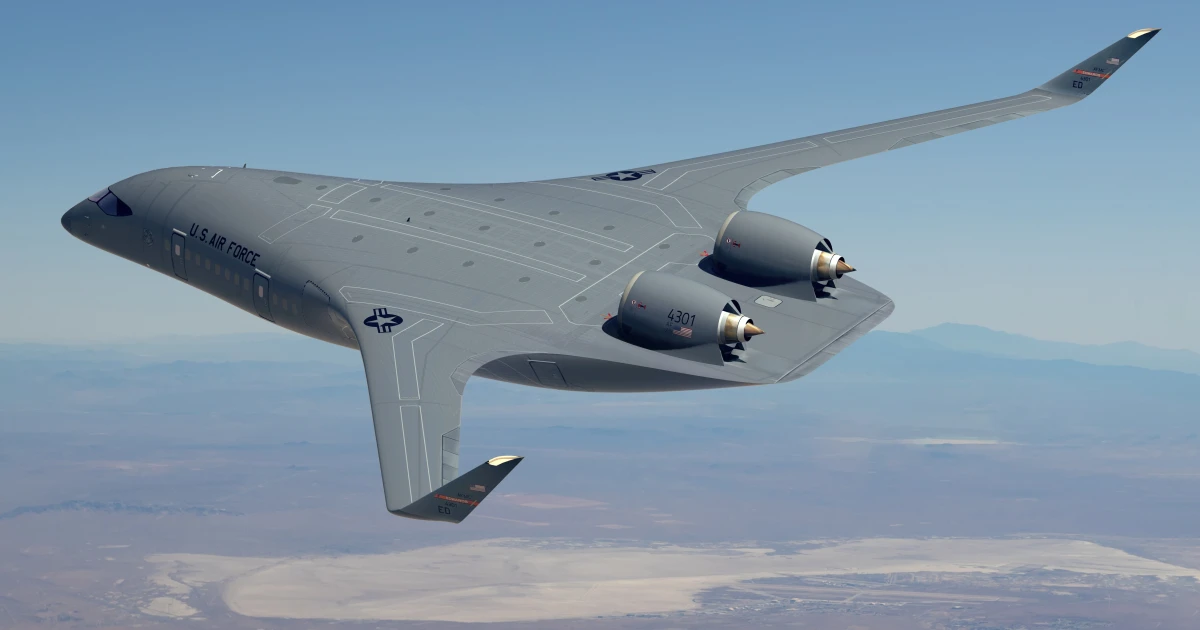
JetZero is building a full-size blended-wing demonstrator in a Mojave Desert hangar, betting that a radical airframe can do what decades of airline design have not: break Airbus and Boeing’s grip on the 200-plus-seat market. The test plane is expected to fly by the end of next year, a crucial milestone for a program that puts the fuselage and wings into one lifting surface.
The company says the shape could cut fuel use by as much as 50 percent, a claim that has already brought early interest and investment from United Airlines and Alaska Airlines. The demonstrator is partly funded by the U.S. Air Force and is being assembled by Scaled Composites, the Northrop Grumman-owned developer, with Pratt & Whitney engines that are already familiar from the Boeing 757.
Chief executive Tom O’Leary said the project is unlike anything the industry has attempted before, and the company says it is drawing on more than 30 years of NASA research. If the first flight goes well, JetZero expects the program to unlock more capital and move the company toward first commercial production around 2030 at a new manufacturing campus in Greensboro, North Carolina.
That path runs through certification, still the biggest obstacle facing any airliner that departs so sharply from conventional tube-and-wing design. The blended-wing layout promises lower drag and less thrust, which would reduce fuel costs, but it also forces regulators to evaluate a cabin, structure and evacuation profile unlike the planes airlines already know how to operate and maintain.
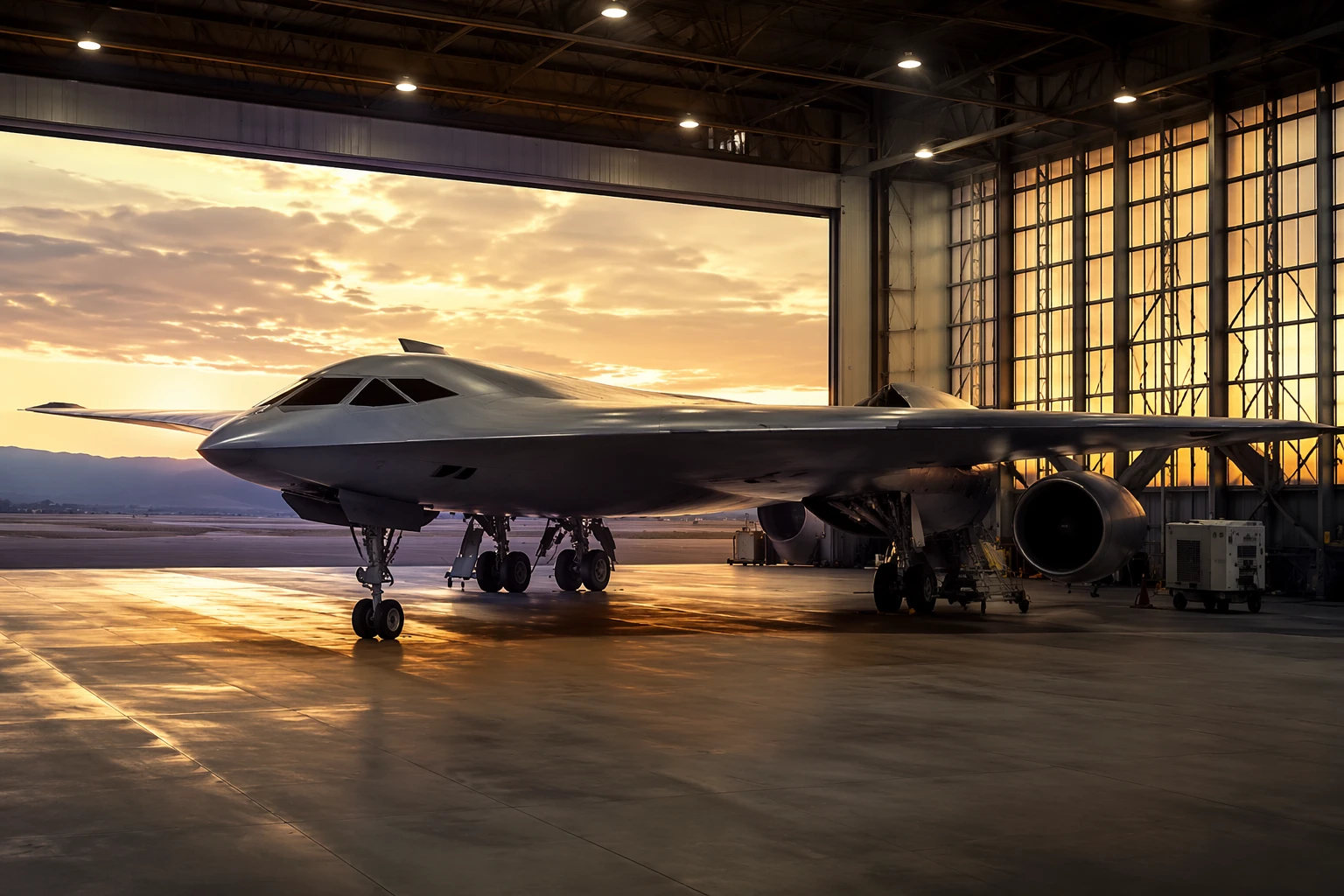
JetZero is also pitching the cabin as an advantage. The wide, flat interior could support new seating layouts, larger windows and more flexible galley and lavatory arrangements, while the rear-mounted engines could make the aircraft quieter than today’s narrow-body and wide-body jets. The design is being framed not just as a commercial aircraft but as a platform that could be adapted for military transport or aerial refueling.
For airlines, the question is whether those gains are enough to justify a leap into a new manufacturing system and a new operating model. The middle of the market has long been served by Boeing’s 757 and 767, aircraft that helped define long-haul and transcontinental flying before production moved on. JetZero is trying to reopen that segment with a plane that promises lower drag, lower thrust and lower fuel bills, but the company still has to prove it can turn a bold prototype into an airliner that regulators, financiers and airlines will back at scale.