World
JFK Flight Delays Leave Hundreds Stranded
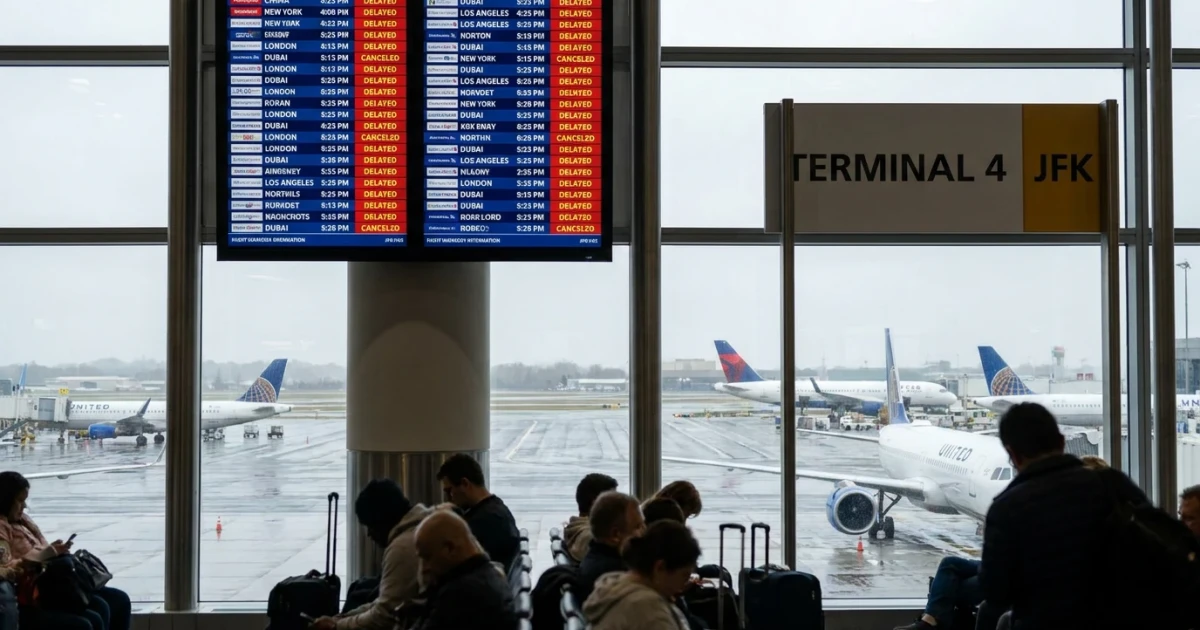
John F. Kennedy International Airport faced widespread disruptions on May 4, 2026, as 142 flights were delayed and 8 canceled, leaving hundreds of travelers stranded and impacting operations across major carriers including Delta Air Lines, American Airlines, and JetBlue Airways. The ripple effect extended to both domestic and international routes, affecting flights to key destinations such as Los Angeles, Miami, and beyond.
Disruption Impacts Major Airlines and Passengers
The disruption at JFK, one of the busiest airports in the United States, created logistical challenges for airlines and passengers alike. According to Travel And Tour World, the delays and cancellations disrupted schedules for Delta Air Lines, American Airlines, JetBlue Airways, and other carriers operating out of JFK. The airport serves as a primary hub for both domestic and international travel, meaning the effects were felt across a wide geographic footprint.
- 142 flights delayed in a single day, a significant spike compared to typical operations.
- 8 flights canceled, forcing passengers to seek alternate arrangements or wait for rescheduled departures.
- Key affected routes included high-traffic destinations like Los Angeles International Airport, Miami International Airport, and international connections.
JFK's Role in U.S. Air Travel
JFK consistently ranks among the top American airports for passenger traffic and flight operations. According to Bureau of Transportation Statistics, JFK handled millions of travelers annually, serving as a gateway for both domestic and international routes. Official numbers from the Federal Aviation Administration confirm that JFK is a critical node in national air travel infrastructure. Disruptions at this scale can have a cascading impact, affecting not only scheduled flights but also airport resources and connecting traffic.
Impacts on Key Destinations
Flights to Los Angeles and Miami are among the busiest and most profitable routes for airlines operating out of JFK. With delays and cancellations, passengers faced uncertainty, missed connections, and extended wait times. Statistics from JFK Airport show that hundreds of flights operate daily, highlighting the scale of disruption when even a fraction are delayed or canceled.
Broader Airline Industry Context
According to the International Air Transport Association, flight delays and cancellations can significantly affect airline performance metrics, passenger satisfaction, and operational costs. While the exact causes of the May 4 disruptions were not detailed, such events are often attributed to weather, air traffic control issues, or technical failures. The affected carriers—Delta, American, JetBlue—have robust protocols for handling delays, including rebooking passengers and offering compensation, but large-scale disruptions at a hub like JFK stretch these resources.
Passenger Experience and Response
Travelers stranded at JFK faced long waits and uncertainty as airlines worked to manage the backlog. The airport's status as a major international gateway meant that disruptions affected not only domestic travelers but also those connecting to overseas flights. According to NYC Tourism Statistics, JFK is a critical entry point for millions visiting New York City each year, magnifying the impact on the region's economy and hospitality sector.
Looking Ahead: Managing Disruptions
While airlines and airport authorities continue to invest in technology and communication to minimize disruption, the events at JFK underscore the vulnerability of even the most robust airports to operational challenges. As passenger volumes rebound and travel demand increases, ensuring reliability and timely information will remain a priority for both carriers and airport operators.
Travelers are encouraged to monitor flight status, seek updates from airlines, and be prepared for potential delays during peak travel periods. The situation at JFK highlights the importance of contingency planning both for passengers and for the airline industry at large.