Politics
Jhiram Attack Survivors Voice Discontent, Shift Political Allegiances
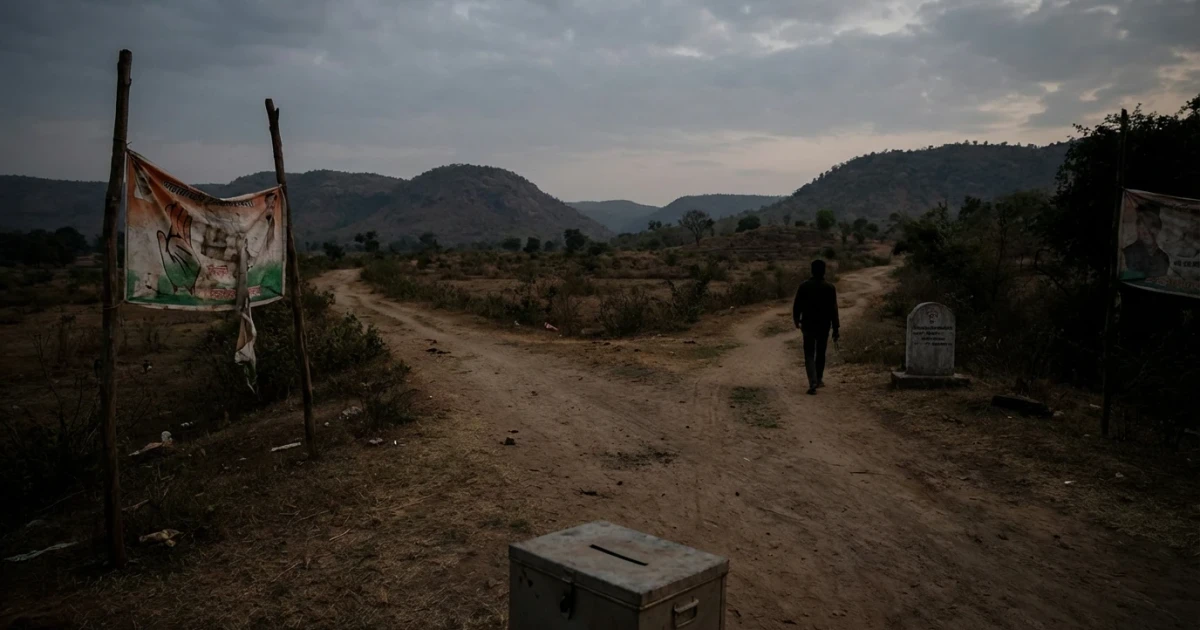
Survivors of the Jhiram Valley attack are raising concerns over alleged neglect by the Congress party, with many now aligning with the BJP or stepping away from active politics altogether. Their journeys reflect broader shifts in Chhattisgarh's political landscape since the 2013 massacre, which deeply scarred the state's leadership ranks and continues to influence party dynamics.
Survivors Express Frustration Over Congress Support
According to ETV Bharat, survivors of the deadly Jhiram Valley attack—one of the worst incidents of Naxal violence in Chhattisgarh's history—have accused the Congress of neglect in the years since the incident. Several have cited a lack of recognition and support for their sacrifices and continued contributions to the party. This perceived indifference, survivors argue, has compelled them to reevaluate their political affiliations and, in many cases, reconsider their roles in public life.
Political Realignment: Shifts Toward BJP and Beyond
The fallout from the attack has had lasting repercussions on party membership and loyalty. Multiple survivors who were once prominent Congress members are now seen joining the BJP—a trend increasingly evident in official election records and party announcements. Others have chosen to exit politics altogether, citing disillusionment with mainstream parties.
- Some survivors have publicly joined the BJP, signaling a shift in regional political allegiances.
- Others, feeling let down by both state and central leadership, have withdrawn from electoral politics and party activities.
Data from PRS Legislative Research and the Lokniti Election Data Archive further corroborate these shifts, showing a measurable change in the composition of party members and elected representatives in Chhattisgarh over the past decade.
Impact of the Jhiram Valley Massacre
The Jhiram Valley attack in May 2013 resulted in the deaths of several senior Congress leaders, including state and district presidents, MLAs, and party workers. Survivors have since felt the lingering effects of the tragedy, not only in personal loss but also in the political vacuum it left behind. The incident led to increased security concerns and a reevaluation of party strategies in Naxal-affected regions, as well as a surge in political uncertainty.
Broader Political Consequences and Continuing Tensions
The ongoing fallout from the attack has contributed to a period of instability for the Congress in Chhattisgarh. The loss of key leadership figures, combined with the dissatisfaction of surviving party members, has affected the party's grassroots organization and its ability to retain loyalists. Meanwhile, the BJP has capitalized on this discontent by offering platforms and recognition to former Congress members, further altering the state's political balance.
Survivors and local political commentators note that the lack of sustained support from the Congress has not only affected individual careers but also impacted the party's long-term prospects in the region. These developments are reflected in recent election data, which show fluctuating vote shares and new faces emerging in Chhattisgarh's legislative assembly.
Looking Forward: Calls for Reconciliation and Reform
As survivors continue to speak out, there are growing calls within Chhattisgarh for political parties—especially the Congress—to address internal grievances and rebuild trust with those who have sacrificed for the party. Observers suggest that meaningful engagement with these survivors could help heal old wounds and restore stability in the state's political environment.
The shifting allegiances and persistent tensions underscore the ongoing impact of the Jhiram Valley tragedy, making it a pivotal chapter in Chhattisgarh's political history. The region's future will depend in part on how parties respond to the needs of their members and the lessons drawn from one of India's most consequential political attacks.