Technology
Jill Lepore warns Elon Musk is shaping government by machines
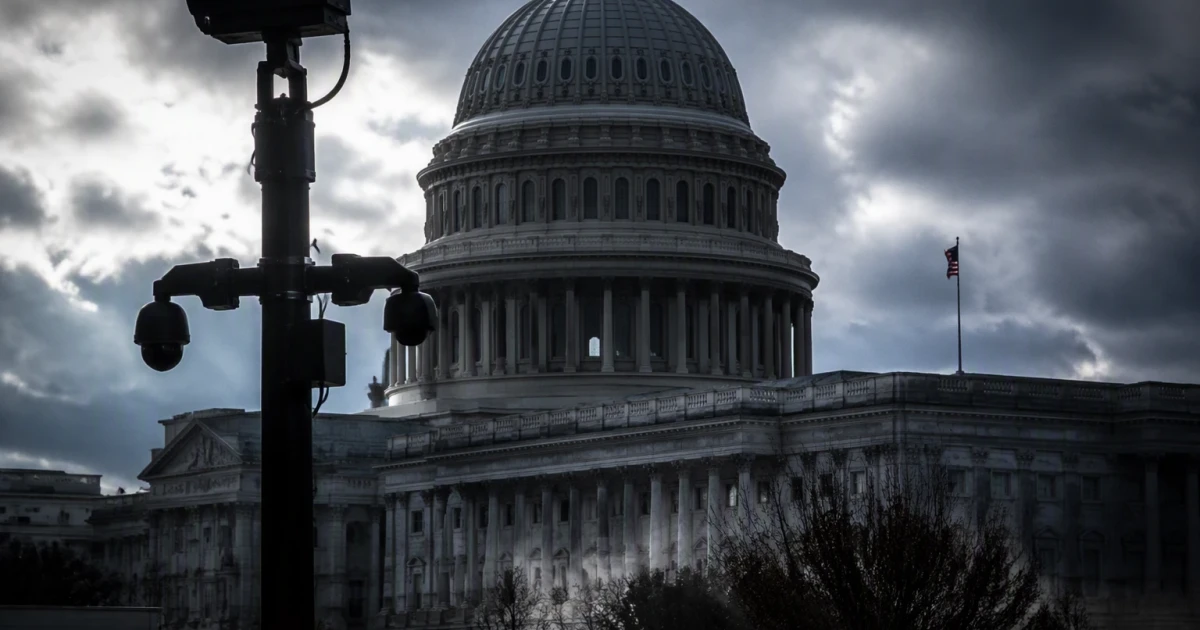
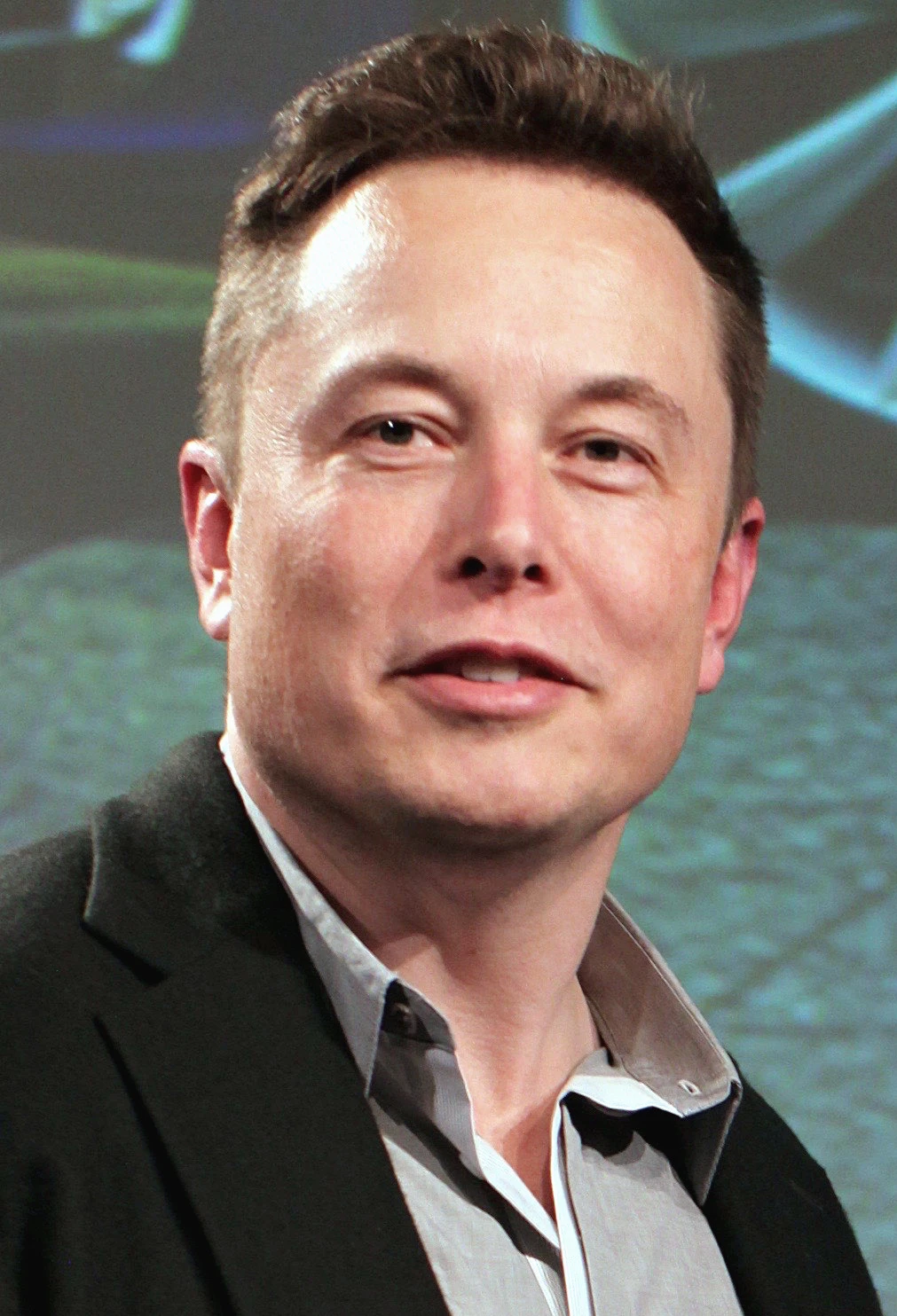
On the latest Equity episode, Jill Lepore argued that Elon Musk has turned science-fiction reading into a governing philosophy. The SpaceX chief, she has said repeatedly in recent interviews, misreads cautionary tales as instruction manuals, and that habit now reaches beyond Musk into the way Silicon Valley talks about power, rules and public life.
In April 2025, The New Yorker Radio Hour aired an episode titled “How Science Fiction Led Elon Musk to DOGE,” where Lepore said Musk was “not merely a chaos agent” but was animated by obsessions and a sense of mission he acquired through reading, and misreading, science fiction. That line of argument matters because Musk’s influence is not confined to rockets or social media. When a billionaire tied to federal policy frames disruption as destiny, the question becomes who gets to decide what comes next and who can challenge it.
Lepore has extended that critique into her book The Rise and Fall of the Artificial State. In discussions around that book, she argued that tech companies increasingly use soaring language for their products almost as if they are forming a new government. She pointed to Twitter’s old “town hall in your pocket” slogan and Anthropic’s Claude constitution as examples of companies borrowing the language of civic authority while keeping the power to set the rules themselves.
That framing has concrete consequences for democratic accountability. A town hall implies voters, trustees and public oversight. A constitution implies limits on power and a process for changing it. But when those words are attached to private platforms and AI systems, the people most affected by the rules, users, workers and the public, do not get votes, hearings or real recourse. Decisions about moderation, access and acceptable behavior can move deeper into boardrooms and product teams, away from elected institutions and courts.
Lepore pushed the argument further in her Tanner Lectures at Yale, where Yale News said she examined the “artificial state” and tied fear of a robot apocalypse to science fiction such as The Terminator and to humanity’s destruction of the natural world. In a September 8, 2025 appearance on Kara Swisher’s podcast, she said her book We the People traces how the U.S. Constitution has changed over nearly 250 years, with Article V at the center of that amendment history. The through line in her work is clear: the fight is not over sci-fi aesthetics, but over who writes the rules of modern life.
Sources
- [1]techcrunch.com
- [2]newyorker.com
- [3]wnycstudios.org
- [4]youtube.com
- [5]news.yale.edu
- [6]podcasts.apple.com