Business
Jill Schlesinger says retirement should come before college savings
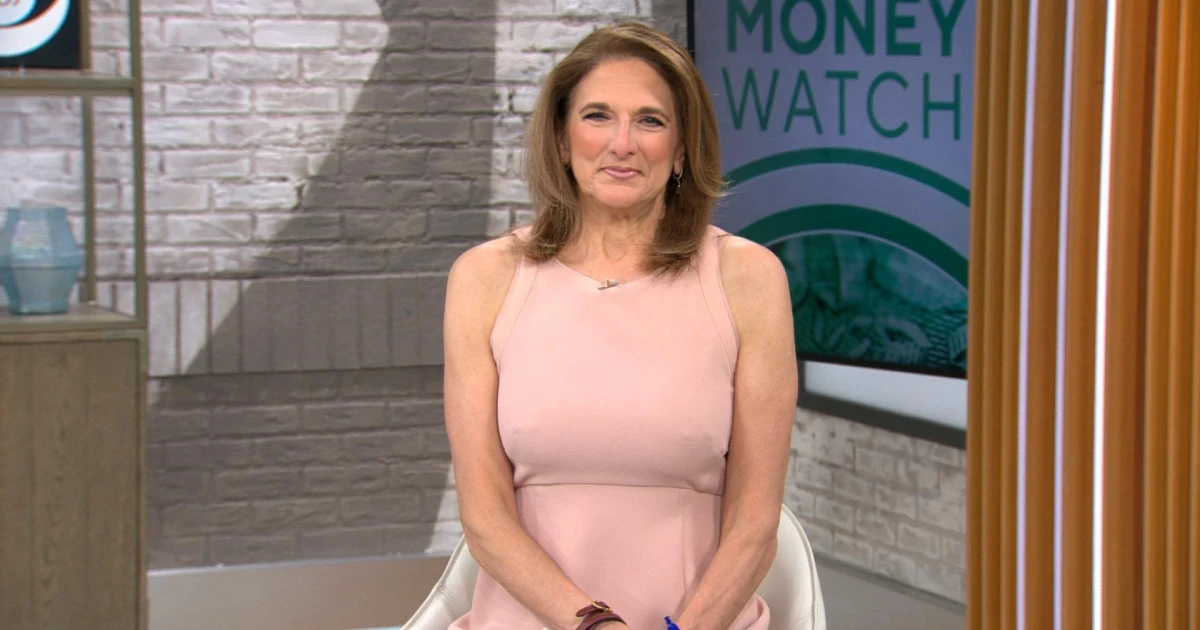
Jill Schlesinger’s advice for people in their 40s is blunt: protect retirement first, because tuition can be financed in ways that lost compounding cannot. Middle-class families are trying to do three expensive things at once: fund retirement, pay college bills, and keep enough cash on hand for everything else.
A familiar squeeze on middle-class budgets
The College Board’s 2025-26 estimates show why the tradeoffs feel harsher. Average published tuition and fees reached $11,950 at public four-year in-state schools, $31,880 at public four-year out-of-state schools, $4,150 at public two-year in-district schools, and $45,000 at private nonprofit four-year schools. Full-time undergraduate budgets ranged from about $21,320 to $65,470 depending on sector, and those totals do not stop with tuition alone.
Families are not reacting to sticker shock in a vacuum. Higher rates make borrowing less forgiving, inflation has pushed everyday costs higher, and the monthly budget often has to absorb housing, child care, health insurance, and elder care at the same time.
Why Schlesinger puts retirement first
For people in their 40s, the later you are in your working life, the less time you have to recover from missed contributions and the more expensive it becomes to catch up.
Schlesinger is an Emmy- and Gracie Award-winning CBS News business analyst who covers the economy, markets, investing, and personal finance across TV, radio, the web, and her Jill on Money podcast. She also won a 2018 RTDNA/NEFE Personal Finance Reporting Award, and her nationally syndicated Jill on Money show won Gracie Awards in 2018 and 2021.
Retirement shortfalls are much harder to repair later. A family can delay a tuition payment, borrow for school, or adjust the college choice; it cannot recreate a decade of missed retirement growth with the same ease.
A practical decision tree for the next dollar
If your budget is tight, the order of operations matters more than the emotional appeal of any one goal. A useful decision tree looks like this:
- Capture the employer match in a retirement plan, if one is available. That is the closest thing to free money in the system, and skipping it makes every other choice more expensive.
- Protect an emergency fund. A tuition bill can sometimes be delayed or financed; a job loss, medical expense, or home repair usually cannot.
- Keep retirement contributions moving before maximizing college savings. Schlesinger’s view is that the 40s are too close to retirement to pause long-term saving for a bill that may be covered with aid, scholarships, work, or borrowing.
- Direct any remaining surplus toward college, through a 529 plan, another savings account, or a mix of both.

Where 529 plans fit, and why they remain useful
529 plans were created by Congress in 1996 and are named after section 529 of the Internal Revenue Code. Their attraction is straightforward: earnings are generally not subject to federal tax when the money is used for qualified education expenses.
The definition of qualified expenses is broader than many families realize. 529 funds can be used for tuition, fees, books, room and board, and up to $10,000 per year for K-12 tuition. The plans also come with unusually flexible ownership rules: anyone can set one up and name almost anyone as beneficiary, including themselves, and there are no income restrictions on either the contributor or the beneficiary.
That flexibility matters in households that do not fit the old template of one parent, one child, and one school bill. A 529 can serve grandparents, relatives, adults returning to school, and parents balancing several children with different timelines and price tags.
The student-loan variable keeps changing
Schlesinger’s podcast footprint has broadened in 2026. Money Moves with Jill Schlesinger is a no-jargon, no-judgment show that helps listeners with savings, investing, homebuying, career decisions, and major financial questions, with new episodes dropping Tuesday and Thursday. A recent episode also pointed to a new student-loan landscape effective July 1, 2026.
Borrowing is no longer a static backstop. Federal rules can shift repayment terms, interest costs, and the way families think about debt risk, which means the college-financing plan has to be flexible enough to absorb policy changes. In practical terms, that makes it even more important not to raid retirement savings just to chase the idea of paying cash for every tuition bill.
What Schlesinger’s background says about the advice
Schlesinger’s caution comes from a career built around market risk and household tradeoffs. Before CBS, she spent 14 years as co-owner and chief investment officer of an independent investment advisory firm, and she began her career as a self-employed options trader on the Commodities Exchange of New York after graduating from Brown University.
Sources
- [1]cbsnews.com
- [2]research.collegeboard.org
- [3]irs.gov
- [4]jillonmoney.com
- [5]podcasts.apple.com