Entertainment
Jim Henson’s The Cube resurfaces as a cult TV oddity

An unnamed man wakes inside a white, doorless cube and spends nearly an hour being tested by strangers who seem more interested in observing him than helping him. That simple premise gives Jim Henson’s The Cube its unnerving power, and it is exactly why the teleplay feels so modern now, with its blank surfaces, social pressure, and slow-burn dread. Long before prestige television made paranoia fashionable, Henson was already using television to ask what happens when a person becomes the subject of a system.
A television experiment with a human core
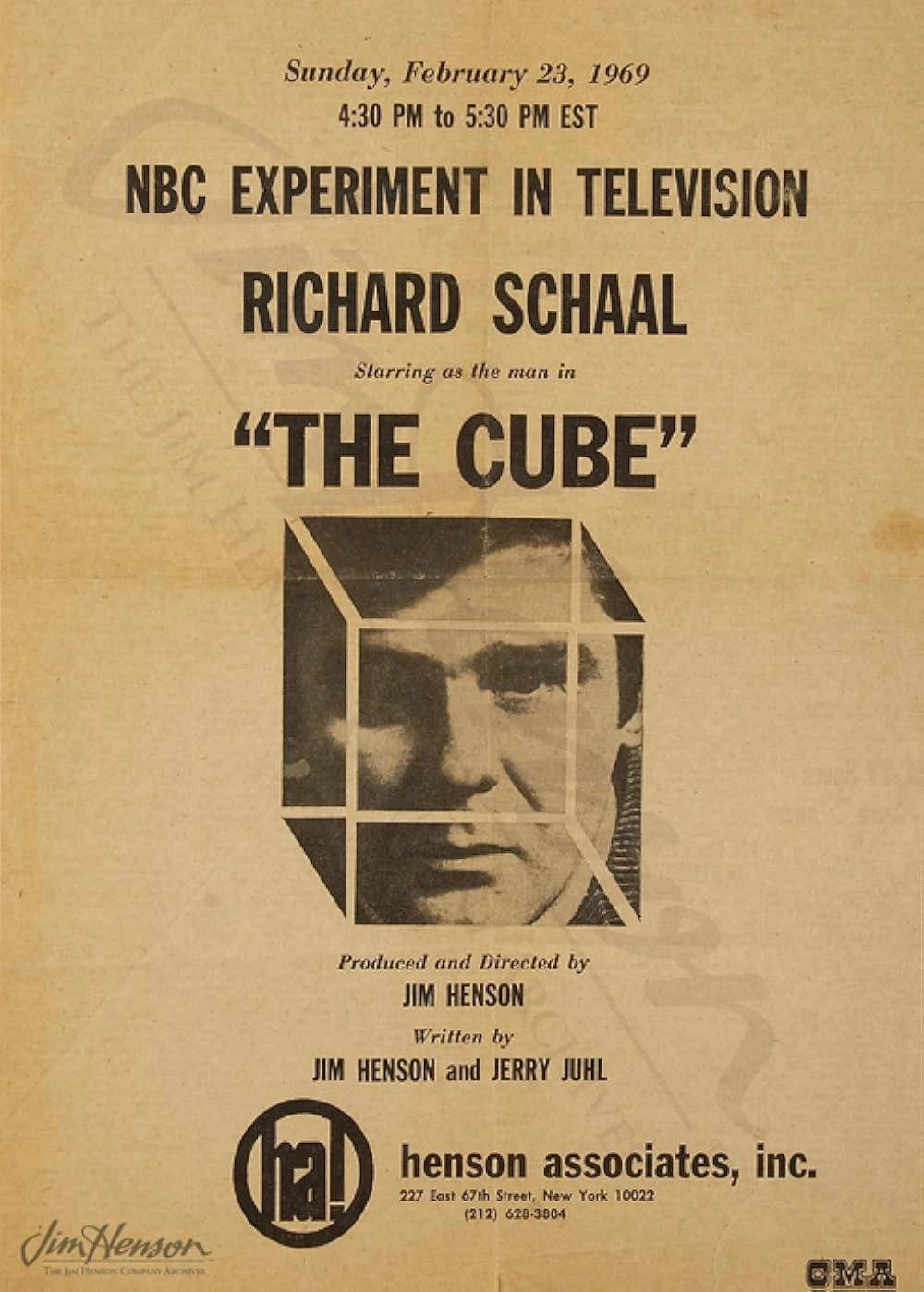
The Cube began as a script in 1966, when Jim Henson and Jerry Juhl developed it as one of several experimental live-action ideas after the success of Henson’s short film Time Piece. NBC rejected the project at first, but by 1968 the network bought it for Experiment in Television, an anthology that ran from 1967 to 1971 and was built for unusual material that did not fit ordinary prime-time logic. Henson had already worked on the series the previous year with Youth ’68, which gave him an existing foothold inside NBC’s willingness to try something stranger than a standard drama.
That context matters because The Cube was not produced as a novelty. It was one of Henson’s few live-action projects without puppets, and it pushed his work into a stripped-down psychological register that depended on faces, spaces, and silence rather than the comic elasticity of the Muppets. The result was a 54-minute teleplay that treated television less like a container for plot than like a chamber for existential discomfort.
How the cube was built
The production moved quickly once NBC approved it. The Cube was filmed at CFTO Television studio in Toronto, Canada, from February 10 to February 15, 1969, then premiered on NBC on February 23, 1969, in the 4:30 p.m. Sunday slot. That compressed timeline fits the work’s spare aesthetic: a white room, a single trapped protagonist, and a stream of visitors who turn the room into a social laboratory.
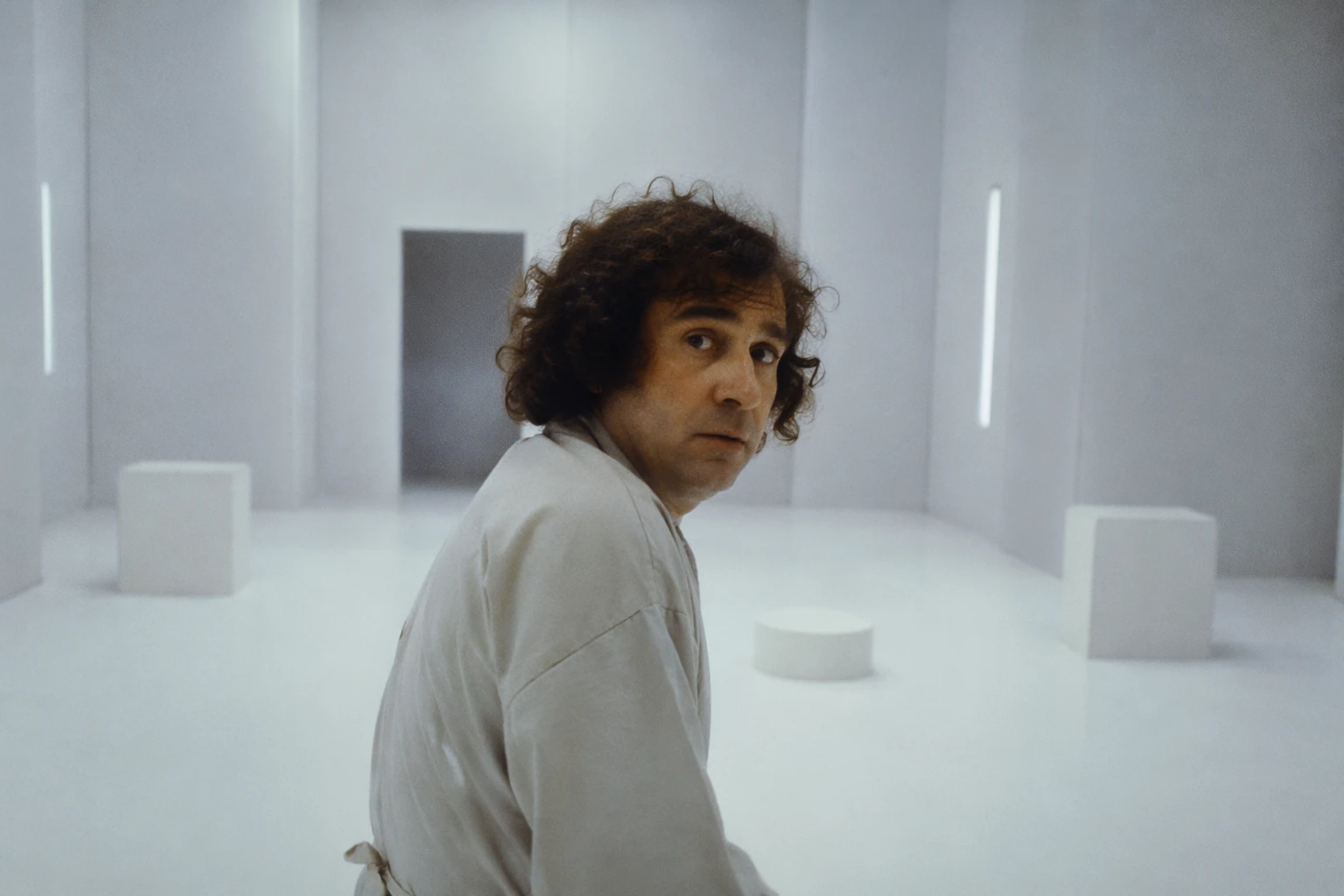
Richard Schaal starred as the unnamed man at the center of the story. The supporting cast included Hugh Webster, Rex Sevenoaks, Jack Van Evera, Jon Granik, Guy Sanvido, Liza Creighton, Don Crawford, William Osler, Jerry Nelson, Sandra Scott, and Claude Rae, with Jerry Nelson appearing in the cast, including as a monk. The cast list gives the piece a rotating, almost bureaucratic quality, as though the cube is less a set than a system of admissions and interrogations.
Why it feels so contemporary
The Cube is easy to read now as an early blueprint for techno-paranoia and psychological-surveillance storytelling. The man is not just trapped physically; he is trapped in a structure that keeps redefining the terms of his confinement, which is the same basic anxiety that powers much later work about monitored behavior, opaque authority, and environments that appear neutral while exerting control. The white paneled void becomes an interface before the language of interfaces fully existed on television.
Henson’s staging gives the story its force. Instead of visual spectacle, he relies on repetition, empty space, and the discomfort of being watched, which turns each visitor into both character and pressure point. The odd figures who move through the cube do little to relieve the protagonist’s situation, so the drama builds from the gap between explanation and assistance, a gap that is central to today’s stories about surveillance, algorithmic sorting, and systems that know more than they reveal.
The philosophical ambition is equally important. Henson’s Red Book notes that the reviews were mixed but appreciative of the effort to explore philosophical questions on television, which was not standard fare then or now. That is the right frame for The Cube: it is less interested in solving the mystery of the room than in testing how long a person can remain legible while being denied ordinary routes to meaning.
From mixed reactions to cult rediscovery
The Cube did not become a mass-culture touchstone, but it did not disappear either. The Jim Henson Company’s Red Book preserves the sense that the reception was divided, yet respectful of the project’s nerve and formal ambition. Over time, the teleplay shifted from network experiment to rediscovered rarity, the kind of title that circulates among viewers drawn to the stranger edges of television history.
Its later screening life shows that shift clearly. The Cube was presented in Jim Henson’s World programming at the Museum of the Moving Image, where it was described as a seldom-seen Henson work set in a white paneled void visited by odd characters who do little to help the protagonist. That framing captures why the piece still lands: it is obscure enough to feel newly discovered, but exact enough in its premise to look like an ancestor of the psychological confinement stories that now dominate prestige streaming.
What to watch for when you see it now
The Cube rewards close attention to the details that make it unsettling rather than merely eccentric. Watch the white, doorless space as a character in its own right, notice how the visitors interrupt rather than explain, and pay attention to how much of the drama comes from waiting for an answer that never fully arrives. In that sense, the teleplay is not a prototype for later dystopian television so much as a clean early example of the same logic: a person placed inside a system, a space that promises neutrality, and a narrative that turns observation itself into the threat.
Sources
- [1]theverge.com
- [2]henson.com
- [3]muppet.fandom.com
- [4]imdb.com
- [5]movingimage.org