Entertainment
Jimmy Fallon and Jimmy Kimmel Pause Shows for Colbert’s Final Night
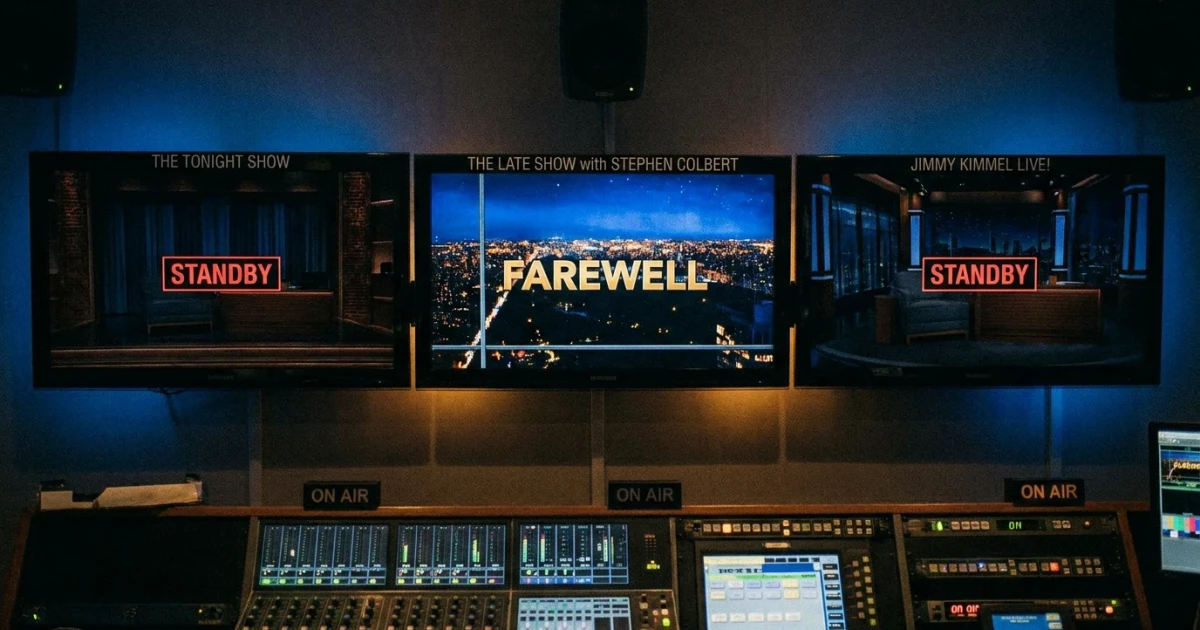
Late night television is set for a rare moment of unity as Jimmy Fallon and Jimmy Kimmel will suspend their shows on the night of Stephen Colbert’s final episode of The Late Show. The move, first reported by Variety, underscores the camaraderie among late night hosts and highlights Colbert’s impact on the format as he prepares to depart after more than a decade behind the desk.
Solidarity on Late Night’s Biggest Stage
Both Jimmy Fallon, host of NBC’s The Tonight Show, and Jimmy Kimmel of ABC’s Jimmy Kimmel Live, will go dark—meaning no new episodes will be taped or aired—on the evening of Colbert’s final broadcast. According to Variety, this coordinated pause is a gesture of solidarity, honoring Colbert’s influence and the close-knit relationships among current late night hosts.
This gesture comes at a time when late night television, a staple of American culture for decades, continues to adapt to changing viewer habits and a rapidly evolving media landscape. The decision by two major competitors to step aside for a peer’s send-off is unprecedented in recent memory, underlining the respect Colbert has earned across the industry.
Colbert’s Influence and Legacy
Stephen Colbert began hosting The Late Show in 2015, taking over from David Letterman and quickly making the show his own. Over the years, Colbert’s blend of sharp political satire, cultural commentary, and heartfelt interviews has helped the show remain a central force in the late night TV ratings and conversation. He has been recognized with multiple Emmy nominations for his work, further cementing his status as a leading figure in the genre.
- The Late Show with Stephen Colbert has remained a top contender in weekly Nielsen ratings for late night programming.
- Colbert’s tenure has been marked by his unique approach to interviews, political monologues, and live event coverage.
- His show has played a significant role in shaping the current era of late night, with a focus on news commentary and satire.
Late Night Unity Amidst Industry Change
While late night television has seen its share of competition, especially between the major broadcast networks, moments of public unity are rare. The decision by Fallon and Kimmel to go dark draws attention to ongoing discussions about the unique contracts and working conditions for late night hosts and their teams, as set by industry standards and unions. It also serves as a symbolic gesture, prioritizing respect and community over ratings for one night.
Variety noted that this collective action echoes previous moments of late night host solidarity, such as joint advocacy during industry strikes and shared appearances for charitable causes. However, the coordinated programming pause for a peer’s farewell is a distinct show of support, rarely seen in the competitive world of network television.
What’s Next for Late Night?
Colbert’s departure from The Late Show marks a significant transition for CBS and late night television as a whole. The network has yet to announce a permanent replacement, and Colbert’s final episode is expected to draw significant viewership and media attention. As Fallon and Kimmel step aside on that night, the industry will reflect on Colbert’s legacy and the evolving future of late night entertainment.
For fans, the event is more than a television milestone—it is a celebration of an era defined by creative risk-taking and camaraderie among the genre’s leading figures. As the curtain falls on Colbert’s tenure, all eyes will be on how the next chapter of late night unfolds.