World
Jimmy Lai Sentenced to 20 Years in Hong Kong Prison
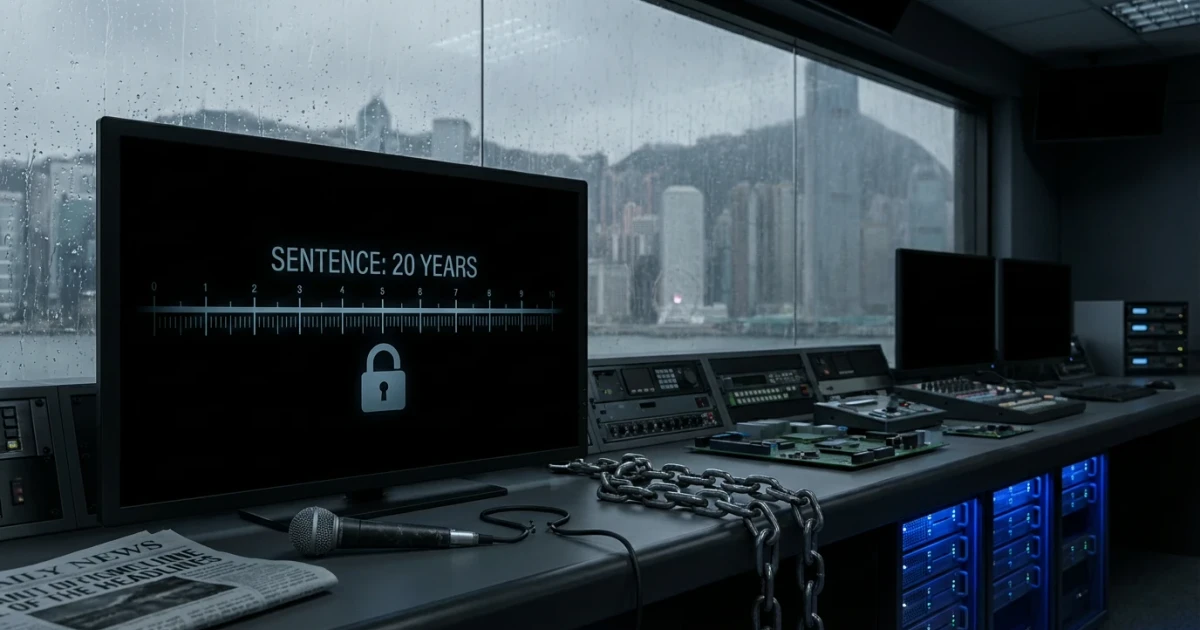
Hong Kong media mogul and pro-democracy activist Jimmy Lai has been sentenced to 20 years in prison by a Hong Kong court, marking one of the longest sentences handed down under the city’s controversial national security law. The sentencing, reported by BBC and other international news outlets, intensifies global concerns over the state of press freedom and civil liberties in the city.
Landmark Verdict for Prominent Media Figure
As the founder of the now-shuttered Apple Daily newspaper, Lai has long been an outspoken critic of the Chinese and Hong Kong governments. His prosecution has drawn significant international attention, given his high profile and role in championing independent journalism. Lai’s case is widely viewed as a test of the sweeping national security law imposed by Beijing on Hong Kong in 2020, which criminalizes acts of secession, subversion, terrorism, and collusion with foreign forces.
- Jimmy Lai, 76, convicted on multiple counts related to alleged subversion and collusion
- 20-year sentence handed down by Hong Kong court, among the longest for national security offenses
- Former publisher of Apple Daily, a leading pro-democracy newspaper forced to close in 2021
Press Freedom and International Reactions
The case has become a touchstone for press freedom in Hong Kong. According to data from Reporters Without Borders, Hong Kong’s press freedom ranking has suffered a dramatic decline since the introduction of the national security law. The Legislative Council’s research brief highlights how the law’s implementation has led to the closure of several independent news outlets and the prosecution of numerous journalists.
International rights groups and Western governments have condemned Lai’s prosecution as politically motivated. The Congressional-Executive Commission on China’s 2023 report notes that over 250 individuals, including activists, journalists, and opposition politicians, have been arrested under the national security law since its enactment.
Impact on Hong Kong’s Media Landscape
Lai’s conviction and lengthy sentence underscore the risks faced by journalists and media executives in Hong Kong. The Apple Daily case, frequently cited in press freedom reports, exemplifies the broader crackdown on dissenting voices. According to Hong Kong Watch’s annual review, at least 12 journalists and media figures were prosecuted in 2022 alone, with many others facing harassment or self-censorship.
Legal and Political Context
The 20-year sentence was delivered after a protracted trial, with prosecutors arguing that Lai used his media platform to call for foreign sanctions and encourage subversion. Supporters maintain that Lai’s actions constituted legitimate advocacy and journalism protected under international human rights standards. The official court register documents details of the proceedings and sentencing.
Legal analysts note that Lai’s sentencing could serve as a deterrent to other activists and further chill media operations. The Hong Kong Court of Final Appeal has upheld several convictions under the national security law, emphasizing the government’s broad powers to restrict speech deemed threatening to national security.
Looking Ahead
Lai’s legal team is expected to appeal the sentence. Observers say the outcome of his case will be closely watched as a bellwether for Hong Kong’s legal and political trajectory. Meanwhile, press freedom advocates continue to urge international pressure on Hong Kong authorities to uphold freedoms guaranteed under the city’s Basic Law and international agreements.
The sentencing of Jimmy Lai is likely to have long-term implications for civil society, journalism, and the rule of law in Hong Kong, as the city navigates its relationship with Beijing and the global community.