Sports
Joe Posnanski and Michael Schur explore the world of sports fandom
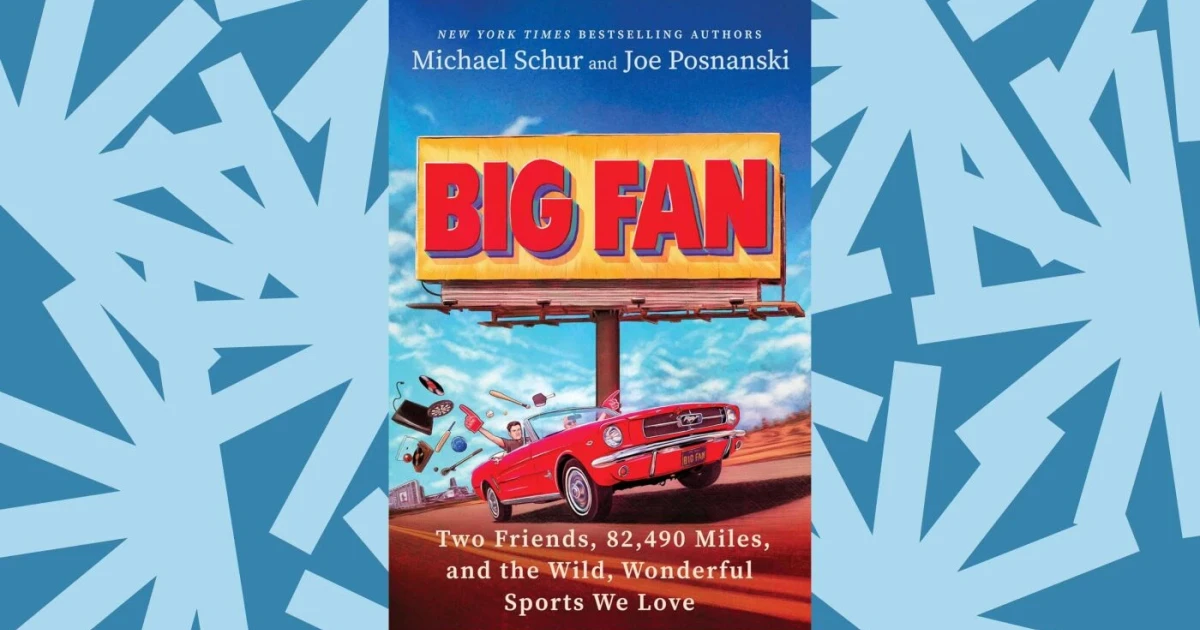
Sportswriter Joe Posnanski and television writer Michael Schur set out to explain a feeling millions recognize but rarely pause to examine: why people keep returning to teams, matches, songs, and spectacles that can break their hearts. Their new book, Big Fan: Two Friends, 82,490 Miles, and the Wild, Wonderful Sports We Love, uses a globe-spanning journey to show fandom as something larger than entertainment, a civic habit built on ritual, identity, and shared belief.
A world tour of devotion
The book, published by Dutton under Penguin Random House on May 19, 2026, runs 448 pages and includes a foreword by Tom Hanks. Its scope is intentionally expansive. Penguin Random House describes it as a celebration of fans and the things they love, moving from baseball and basketball to chess, darts, football, futbol, Indigenous North American stickball, pickleball, WWE, Taylor Swift, and Star Wars.
That list matters because it makes the point the book is chasing: fandom is not confined to stadiums or scoreboards. It is a pattern of attachment that cuts across age, class, geography, and even medium. A chess crowd, a wrestling arena, a darts hall, and a football terrace may look different on the surface, but all of them depend on the same human instinct to gather, react, and belong.
Why the mileage matters
The subtitle’s mileage figure, 82,490 miles, is more than a flourish. It signals the scale of the project and the seriousness of the authors’ effort to encounter fandom in its many forms, not just describe it from a distance. Some promotional listings have shown 81,589 miles, but the publisher and major retail listings use 82,490 miles, the figure tied to the main edition of the book.
That road trip ethos gives the story its momentum. Instead of treating fandom as a fixed concept, Posnanski and Schur chase it through different settings and traditions, looking for the emotional logic that connects them. The result is a book that treats devotion as a lived experience, not an abstract idea.
From Las Vegas to Liverpool
The scenes highlighted by the publishers do much of the interpretive work. Ringside at WrestleMania in Las Vegas, the pair found themselves in a space where spectacle and crowd participation fuse into one event. At the World Darts Championship in London, the energy is different but just as communal, with the audience acting almost like a character in the room.
The book also moves through Buffalo Wild Wings in Dallas and a football crowd of 65,000 fans in Liverpool, showing how fandom lives both in purpose-built arenas and in ordinary spaces where people still assemble around shared stakes. That mix is revealing. It suggests that community is not only formed by grand venues or international events, but by the repeated act of showing up together, even when the setting is as casual as a restaurant with screens everywhere.
Why fandom keeps surviving fragmentation
The central question behind the book is simple and increasingly urgent: why does fandom endure when so much else in modern media pulls people apart? The answer the project seems to reach is that fandom creates continuity. It gives people rituals they can repeat, stories they can inherit, and emotional scripts that outlast any single game or season.
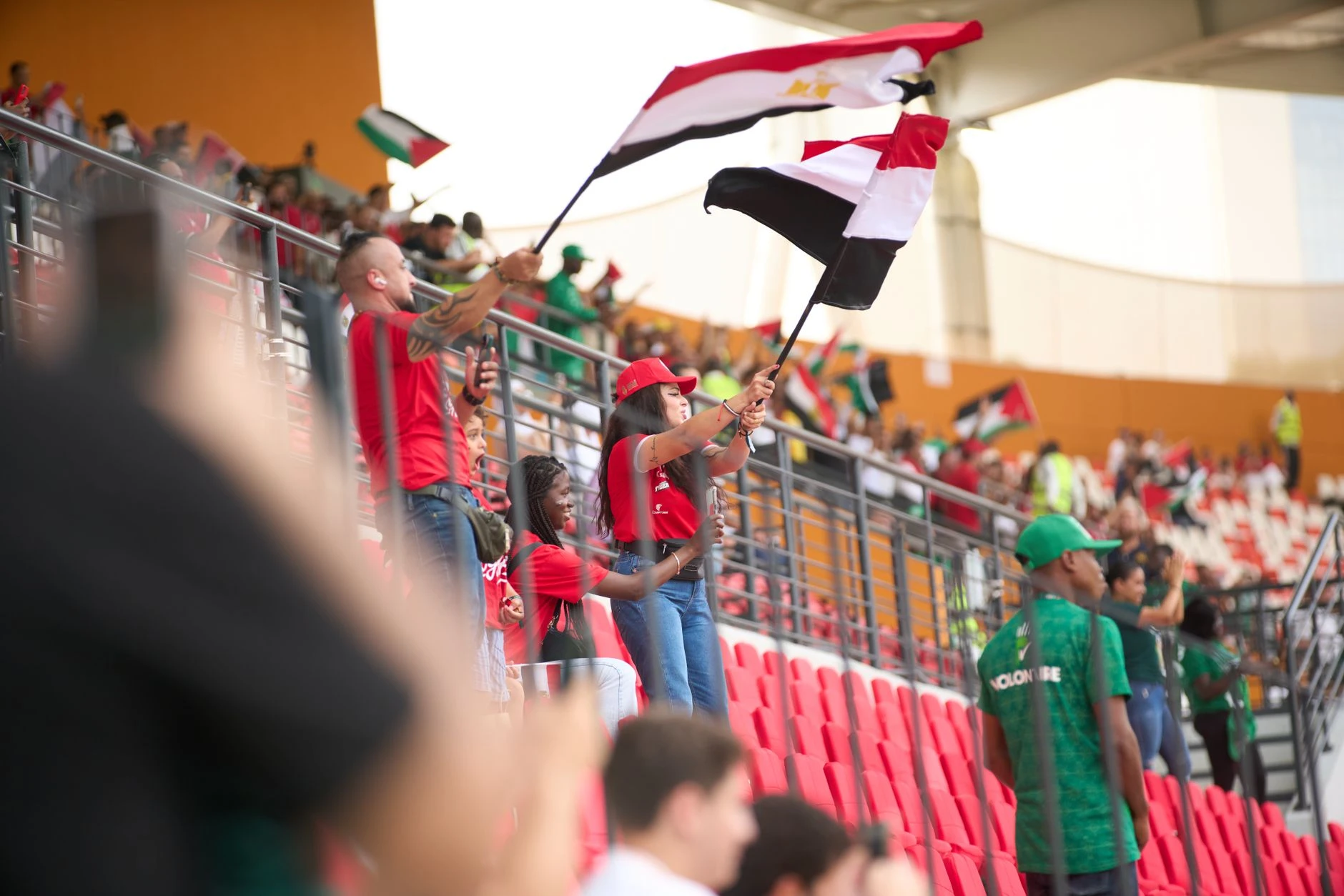
That helps explain why sports loyalty persists across countries and generations. A parent passes down a team; a child learns the language of nerve and hope; a neighbor, coworker, or stranger becomes briefly legible through the same jersey, anthem, or chant. In a fragmented media age, those shared references function like a civic shorthand. They let people feel part of something larger without requiring them to agree on everything else.
Two authors, two kinds of expertise
Posnanski and Schur are unusually well matched for this subject. Schur is an Emmy Award-winning television writer and producer known for co-creating Parks and Recreation, Brooklyn Nine-Nine, and The Good Place, and for work on Saturday Night Live and The Office. He understands how modern audiences build affection around characters, ensembles, and recurring worlds.
Posnanski brings a parallel fluency from sports journalism. He is the #1 New York Times bestselling author of seven books, has been named National Sportswriter of the Year by five different organizations, writes at JoePosnanski.com, and says he has covered events on six continents. That range gives him the instincts of a reporter who has watched fandom operate in different cultures, not just in one American sports ecosystem.
Together, they bring complementary lenses: Schur understands pop culture as emotional architecture, while Posnanski understands sports as public ritual. Their collaboration makes the book feel less like a celebrity travelogue and more like a serious inquiry into why people care so much.
The clip that started it all
The project began with a World Darts Championship clip in London that Schur says sparked the idea for the book. That origin story is fitting because darts is one of the clearest examples of what the book seems determined to prove: that the size of the event does not determine the size of the feeling. A packed room reacting in unison to a dart landing in the right place can generate the same collective electricity people associate with the biggest global stages.
That insight runs through the book’s broader emotional frame as well. Interviews around publication have described it as a meditation on the high and low of fandom, including why people willingly invest so much emotion in outcomes they cannot control. That question sits at the center of every serious fan culture, from local leagues to global spectacles. The answer is not rational in a narrow sense, but it is deeply social: fans do it because the act of caring together creates meaning.
What the book ultimately reveals
Big Fan uses sports, music, wrestling, and game culture to make a larger argument about modern life. Fandom is one of the few remaining places where strangers still practice sustained attention together, where ritual can bridge distance, and where identity can be borrowed, performed, inherited, and renewed.
In that sense, Posnanski and Schur are not just chronicling the world of sports fandom. They are showing how community survives in fragments, how loyalty keeps its grip, and why the most durable public bonds often begin with something as simple as rooting for the same outcome.
Sources
- [1]cbsnews.com
- [2]penguinrandomhouse.com
- [3]awfulannouncing.com
- [4]britannica.com
- [5]joeposnanski.com
- [6]books.google.com
- [7]kcur.org
- [8]cbs.com