Technology
John Doerr Calls AI the Biggest Tech Wave Yet
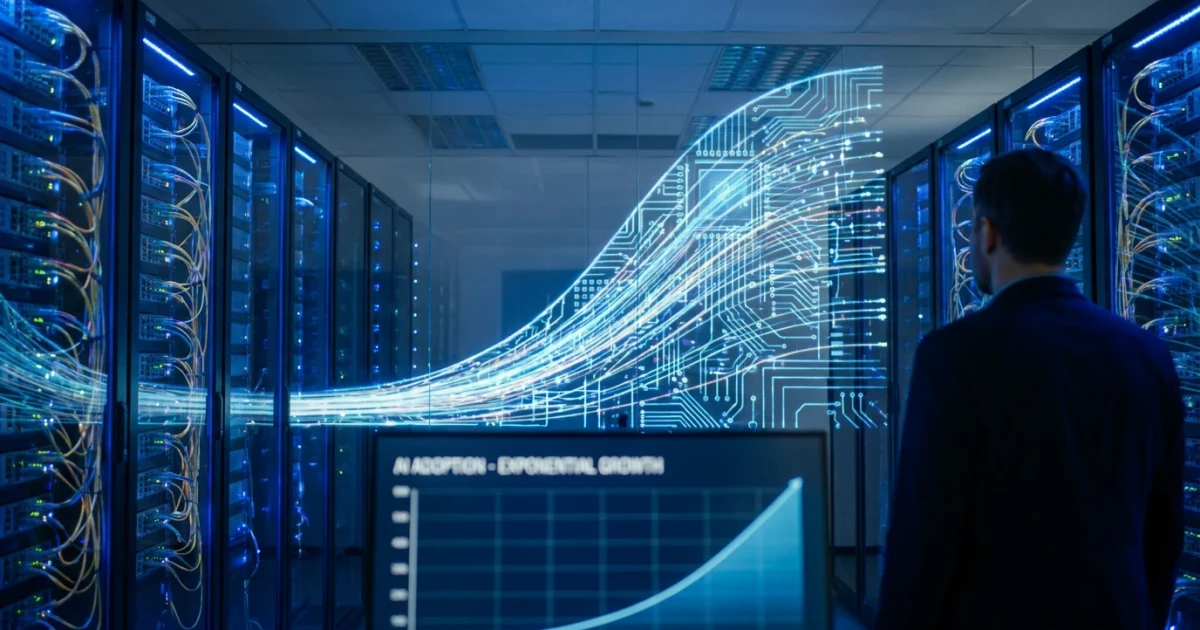
Venture capitalist John Doerr, a prominent figure in Silicon Valley, has declared artificial intelligence (AI) the largest technological force he has seen in his decades-long career. In recent remarks reported by The Wall Street Journal, Doerr described AI as the biggest tech “tsunami” ever, underscoring its potential to transform industries, economies, and daily life on a scale surpassing previous innovations such as the internet and personal computing.
The Scale of the AI Surge
Doerr’s characterization of AI as a “tsunami” echoes the growing consensus among technologists and investors that AI’s adoption and market impact in the United States are accelerating rapidly. According to recent statistics, the U.S. AI market is valued in the hundreds of billions of dollars, with sectors such as healthcare, finance, and manufacturing integrating AI-driven solutions at an unprecedented pace. The technology’s ability to automate decision-making, process vast datasets, and create new products is fueling both optimism and debate across the business world.
Comparisons to Previous Tech Waves
Doerr’s remarks highlight a key perspective: while previous waves of innovation—like the rise of the internet, mobile computing, and cloud infrastructure—transformed global business, AI may eclipse them in scope and economic value. Studies such as the PwC Global Artificial Intelligence Study estimate that AI could contribute up to $15.7 trillion to the global economy by 2030, largely by boosting productivity and enabling new business models. This projection supports Doerr’s claim that AI’s impact could be more sweeping than any previous technological leap.
Opportunities and Challenges for Investors and Industry
For venture capitalists and entrepreneurs, AI represents both a massive opportunity and a complex challenge. The latest AI trends report from CB Insights notes record-high investment flows into AI startups, with applications spanning generative AI, robotics, and natural language processing. Doerr’s enthusiasm reflects the sector’s rapid innovation cycle; however, he and other industry leaders have also acknowledged the risks, including ethical concerns, job displacement, and the need for robust governance frameworks.
- AI adoption is projected to create millions of new jobs while transforming existing roles across industries.
- Investment in AI startups reached all-time highs in 2025, according to startup funding databases.
- Government and regulatory bodies are increasingly focused on AI policy, as shown by resources like the OECD AI Policy Observatory Dashboard, tracking international efforts to guide responsible AI development.
Implications for Business and Society
Doerr’s comments arrive as organizations worldwide race to integrate AI into their operations. The technology is already reshaping how companies analyze data, interact with customers, and optimize supply chains. Meanwhile, governments are grappling with regulatory questions, such as how to ensure transparency and mitigate bias in AI systems—a topic addressed in depth by the ITU AI for Good Initiative.
Looking ahead, Doerr’s framing of AI as a “tsunami” challenges business leaders, policymakers, and the public to prepare for profound changes. The coming years are likely to see continued debate around the balance of innovation, ethics, and regulation as artificial intelligence becomes an ever-more central force in the global economy.