Politics
John Healey quits, accuses Starmer of underfunding British military
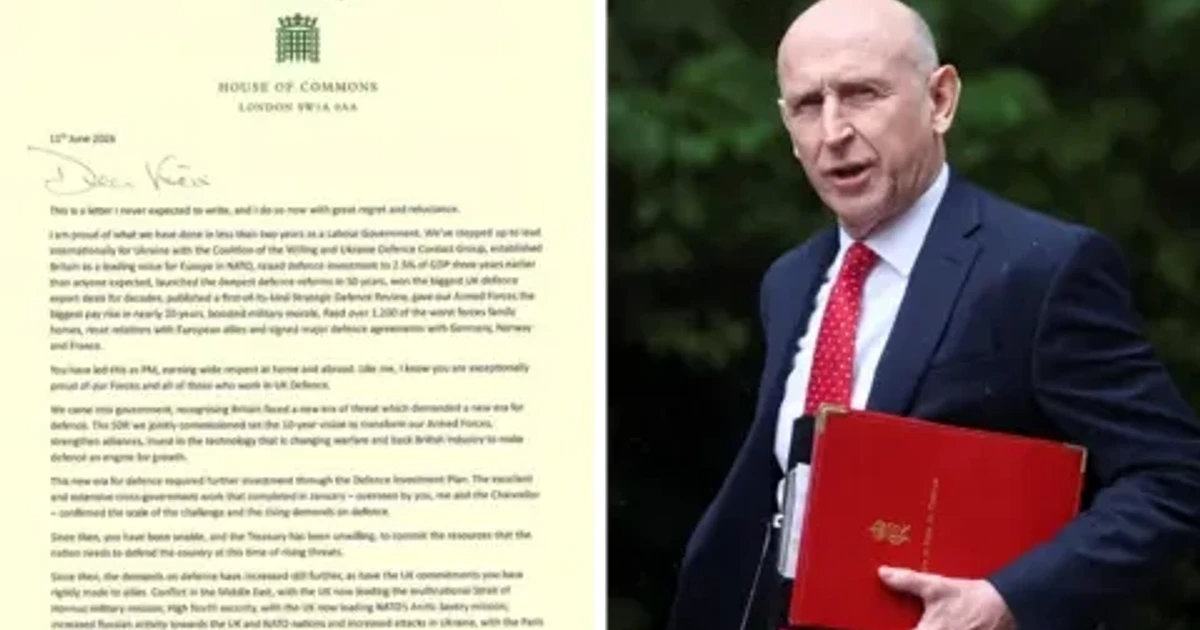
John Healey's shock resignation turned a long-running budget fight into a governing credibility test for Keir Starmer. The defence secretary stepped down on Thursday, saying the prime minister and the Treasury had failed to commit enough money to Britain’s armed forces at a time of rising threats. His exit landed as Starmer tried to project steadiness on national security and reassure allies that Britain could meet mounting pressure to spend more on defence.
Healey told Starmer the government’s defence investment plan fell "well short of what is required at this dangerous time." In his resignation letter, he said Starmer had been "unable, and the Treasury has been unwilling, to commit the resources that the nation needs to defend the country at this time of rising threats." He added that without a settlement that met the moment, he would be forced into decisions that would reduce the readiness of the armed forces and raise the risk to personnel on operations.
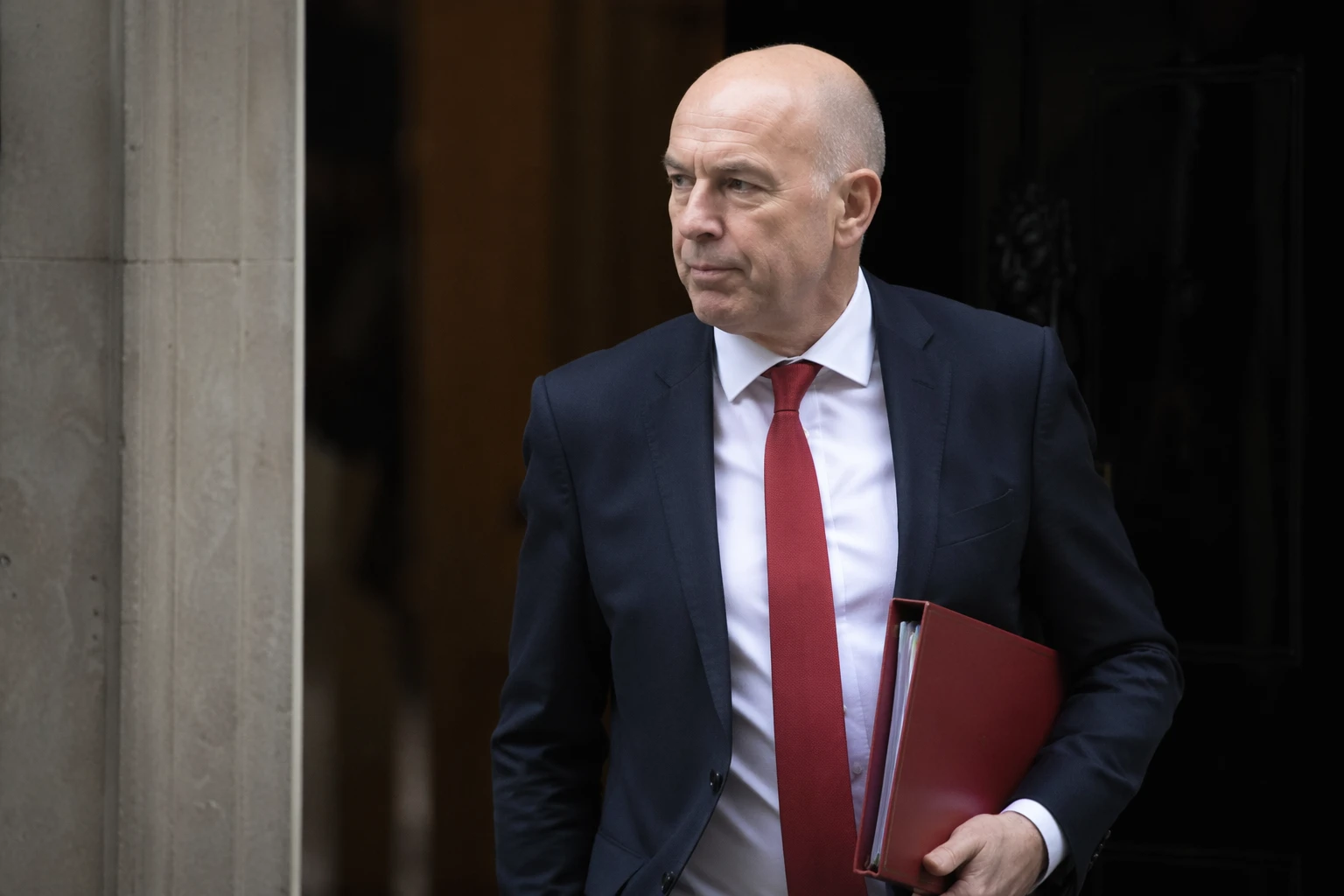
The rupture was not sudden. Healey had been locked in talks for months with Starmer and Chancellor Rachel Reeves over how to fund the defence investment plan, which had already been delayed from last year. The row sits at the center of Labour’s fiscal argument: defence spending is rising, but so are welfare demands and pressure on the public finances. Starmer had told allies he would cut other departments if needed to protect defence capability, yet Healey’s departure showed the dispute had reached cabinet level.
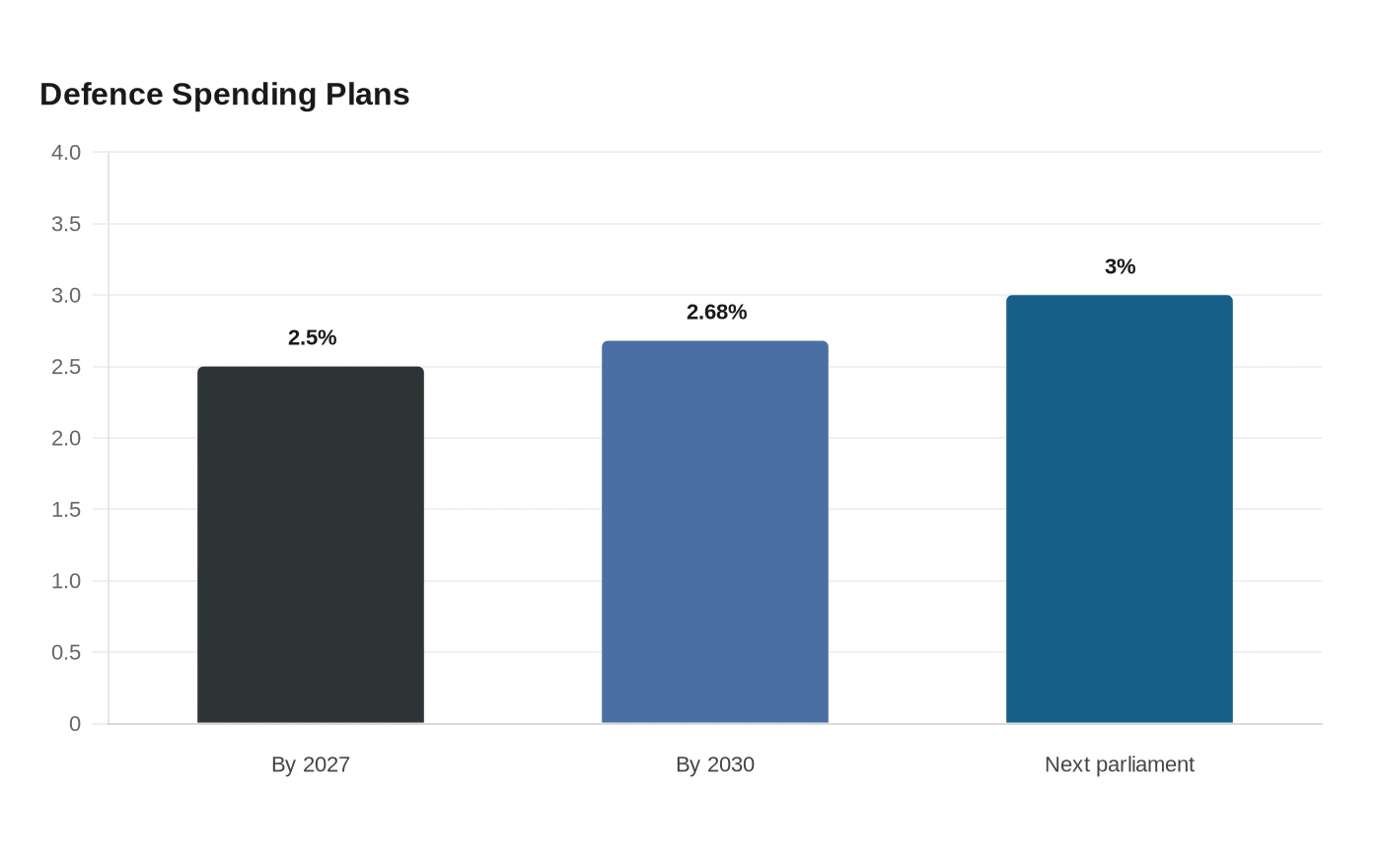
The stakes go beyond Westminster. Britain is now the third-biggest defence spender in NATO, after Germany overtook it in 2024, and Starmer has promised to lift spending to 2.5% of GDP by 2027, with an ambition to reach 3% in the next parliament. Healey said the plan he had seen would only get Britain to 2.68% by 2030, a gap that underscored the tension between Britain’s alliance commitments and the Treasury’s caution.
For now, the resignation looks like both a personal break with Starmer and a sign of a deeper split over Britain’s strategic posture. One government source said Healey appeared to have acted unilaterally, but months of friction over the delayed investment plan suggest the argument is structural, not accidental. If Starmer cannot settle it quickly, the question will be whether Labour is merely enduring one dramatic departure or entering a broader battle over how much military power Britain can afford.
Sources
- [1]nytimes.com