Business
Johnson Products founder, first Black-owned company on American exchange, dies at 99
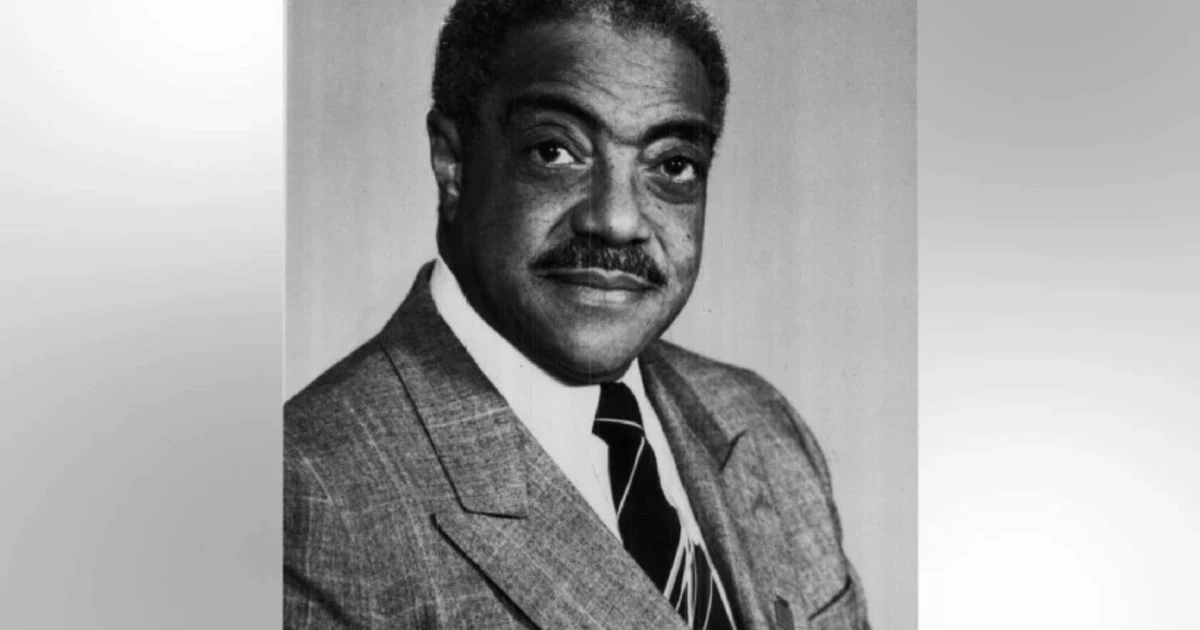
George E. Johnson, who built Johnson Products Company from a $500 loan into a national hair-care business and made it the first African American-owned company to trade on the American Stock Exchange, died Monday morning at 99. His son, John Edward Johnson, said he died of natural causes in his Downtown Chicago condo.
Johnson’s rise began in Chicago, where he moved as a child after being born in Mississippi in 1927. He founded Johnson Products in 1954 and turned it into a multimillion-dollar company that sold beauty and grooming products aimed at Black consumers, a market mainstream cosmetics companies had largely ignored. The company first focused on Black men’s hair care, but its biggest success came from women’s products such as Ultra Sheen, which helped make Johnson a central figure in the Black beauty business.
Johnson Products’ portfolio also included Classy Curl, Curly Perm and Black Tie men’s cologne. Based in Chicago, the company reached beyond the storefront and into popular culture, becoming a longtime sponsor of Soul Train. When the show moved into national syndication in 1971, Johnson Products was described as its exclusive sponsor, underwriting a program that became a national stage for Black music, style and self-presentation.
That same year was a watershed for Johnson’s company and for Black corporate history. In 1971, Johnson Products became the first African American-owned company listed on the American Stock Exchange, a milestone that placed a Black-founded beauty brand on one of the country’s major capital markets. It was a rare public-market breakthrough at a time when Black ownership in American business remained heavily constrained by access to credit, distribution and Wall Street capital.
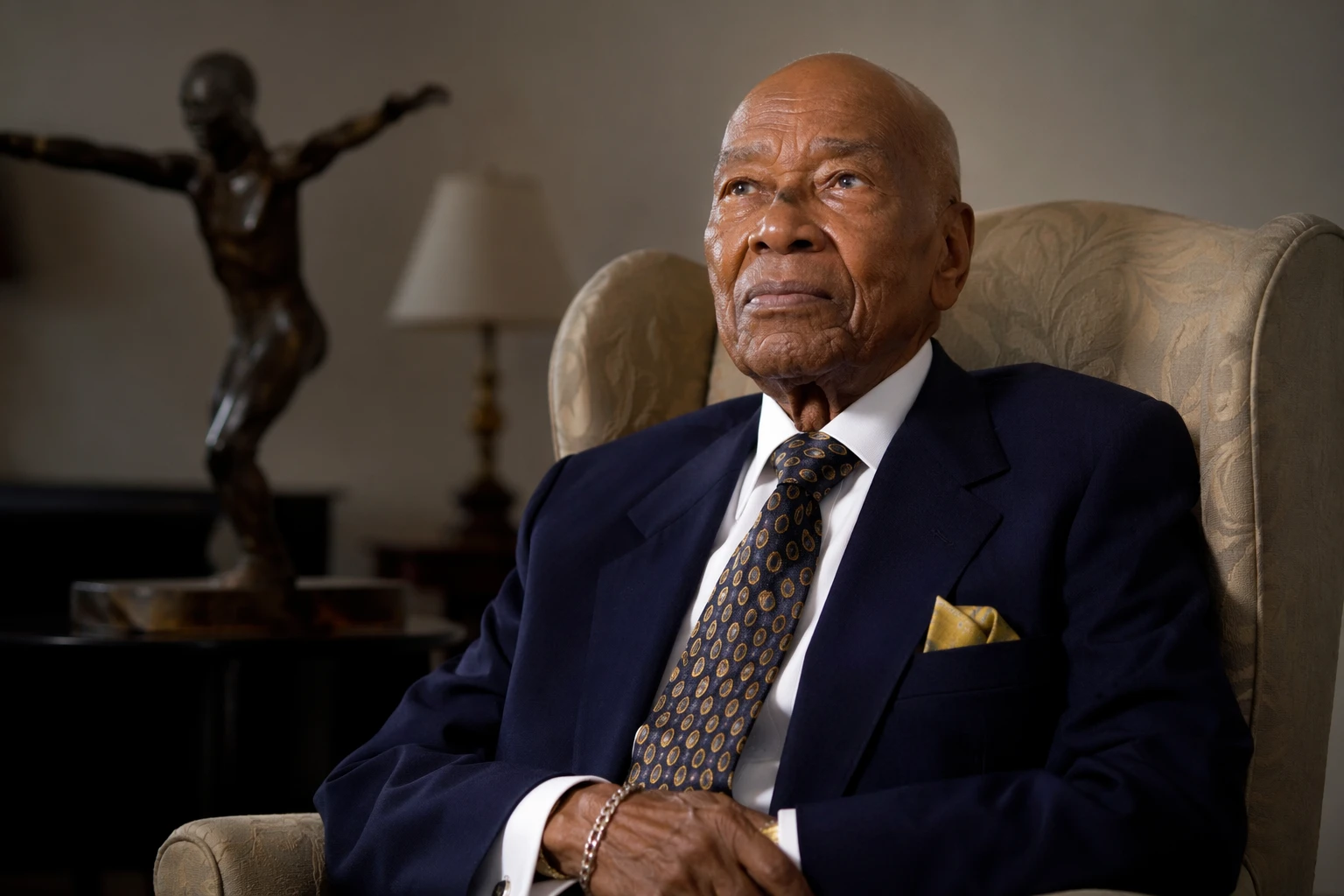
Johnson’s influence extended beyond cosmetics. He founded Independence Bank in 1964, adding banking to a portfolio that linked entrepreneurship, financial access and Black institution-building in Chicago. His career also intersected with the city’s broader Black political and civic rise, and he was a familiar name in South Side and Chatham business circles.
By the time of his death, Johnson had become more than the founder of a hair-care company. He stood as an early example of Black capitalism operating at scale, with a business that moved from a $500 loan to national syndication, public markets and enduring cultural visibility.