Politics
Johor vote tests Anwar Ibrahim’s fragile coalition unity

Voters in Johor went to the polls on Saturday in a state election that exposed more than a local race for power. The 56-seat contest, in which 29 seats are needed for a majority, became a test of whether Prime Minister Anwar Ibrahim’s coalition could hold together under pressure from its own rival factions and from a surging opposition.
The Election Commission said 2,727,926 voters were eligible to cast ballots in Johor, after the state assembly was dissolved on June 1. Nomination day was held on June 27, early voting followed on July 7, and polling day came on July 11, giving the campaign a compressed and closely watched timeline. By 11 a.m. on July 7, early voting had reached 56.32 percent, with 11,605 of 20,607 early voters having voted.
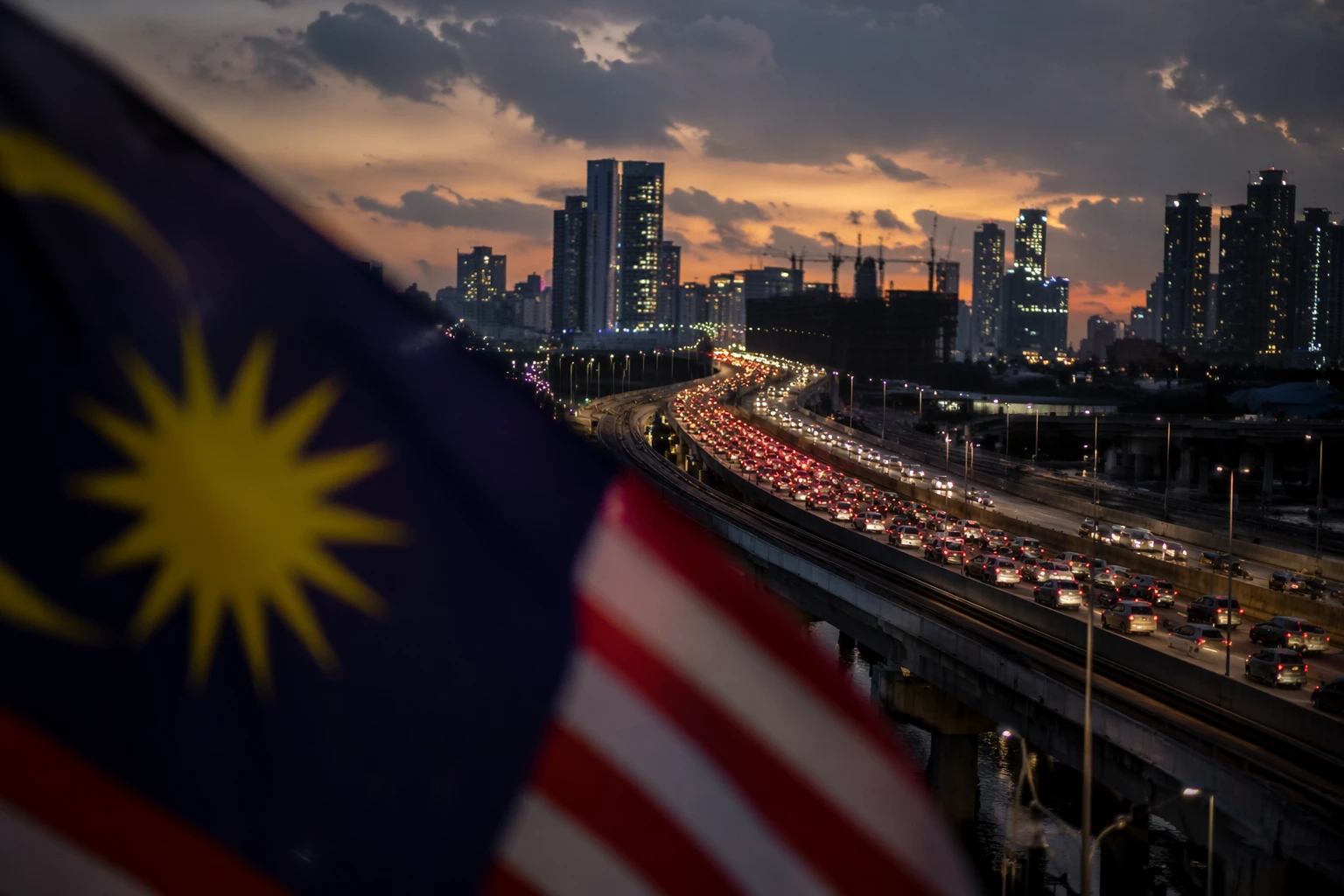
Johor mattered well beyond its boundaries. The state is Malaysia’s southernmost, shares a border with Singapore and carries heavy economic weight because of its cross-border traffic, labor flows and business links. Kota Iskandar, home to the state administrative centre, had Johor’s largest electorate at 132,579 voters, including 11,650 young voters, while seats such as Bukit Pasir, Parit Yaani, Tangkak, Serom and Jementah had been won previously by fewer than 750 votes.
The 2022 Johor election remains the benchmark. Turnout then was 54.9 percent among about 2.6 million eligible voters, one of the lowest in Malaysian election history. Barisan Nasional won 40 of 56 seats and a two-thirds supermajority, while Pakatan Harapan took 12. That earlier result made Johor a stronghold for Barisan Nasional, but this year’s contest also highlighted how much the political map has shifted since Anwar became prime minister in 2022.

Anwar campaigned personally in Johor as Pakatan Harapan fielded candidates in all 56 constituencies, including 20 from PKR, 19 from Amanah and 17 from DAP. The election placed Barisan Nasional, Pakatan Harapan and Perikatan Nasional, led by PAS and backed nationally by Muhyiddin Yassin’s camp, into direct competition in a state where disputes over reform, ethnic politics and the economy have fed speculation about whether coalition compromise can survive the next nationwide vote, due in 2028. In Johor, the result was never only about the state legislature. It was a measure of whether Anwar’s alliance could keep its partners aligned when every vote counted.
Sources
- [1]usnews.com
- [2]channelnewsasia.com
- [3]thestar.com.my
- [4]straitstimes.com
- [5]nst.com.my
- [6]garasi.bernama.com