US News
Joint US-Nigerian Operation Kills Senior ISIS Leader
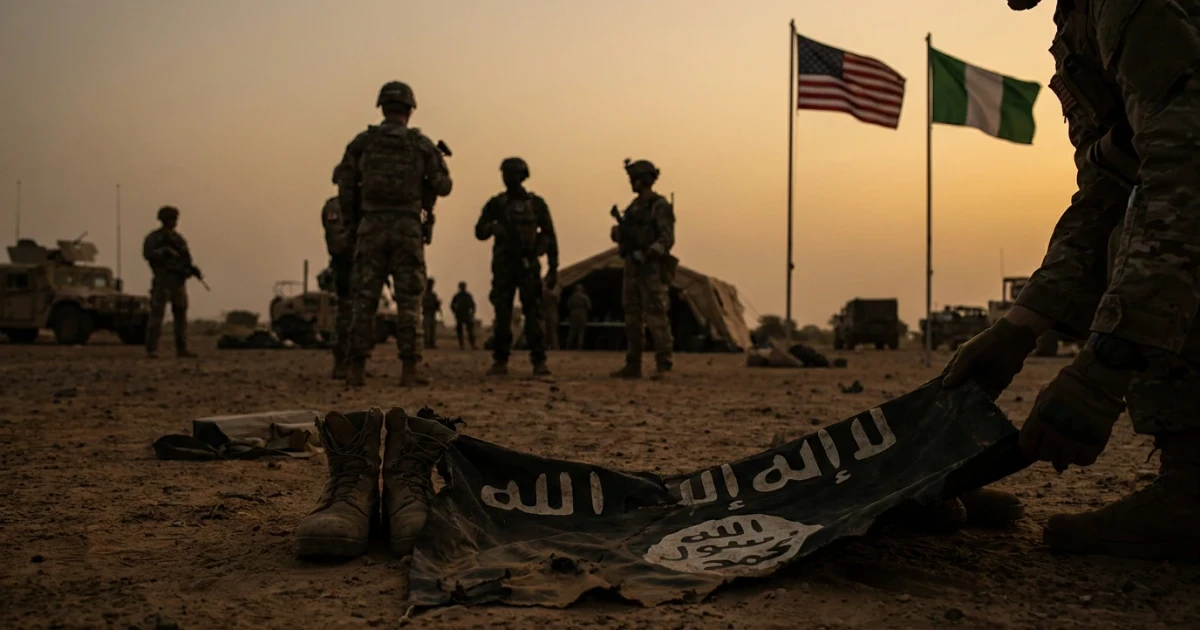
US and Nigerian forces have killed a senior leader of the Islamic State group in Nigeria, according to official statements released on Friday. The announcement, first reported by The Washington Post and corroborated by AP News, marks a significant development in the ongoing fight against ISIS’s presence in West Africa.
Details of the Operation
The operation, described as a joint US-Nigerian mission, targeted a top ISIS commander in northern Nigeria. President Trump confirmed the strike, emphasizing the collaborative nature of the mission. While specific details about the location and timing remain limited, both outlets reported the leader's death as a result of coordinated military action.
- The Washington Post reported the death of a "top Islamic State leader" following a US-led strike in Nigeria.
- AP News attributed the action to a "joint US-Nigerian mission," underscoring the partnership between American and Nigerian armed forces.
- Multiple agencies, including CNN, echoed the confirmation that a "senior IS leader" was killed.
Impact on ISIS Operations in Nigeria
The Islamic State's West Africa Province (ISWAP) has been active in Nigeria for several years, with its roots traced back to Boko Haram, according to the Council on Foreign Relations backgrounder. ISWAP has carried out numerous attacks, targeting civilians, government installations, and international interests. The removal of a senior leader is likely to disrupt ongoing operations and may weaken the group's capacity to coordinate attacks.
Data from the Global Terrorism Database shows that Nigeria has experienced hundreds of terrorist incidents attributed to ISIS-linked groups over the past decade, resulting in thousands of casualties.
US-Nigerian Security Cooperation
The strike highlights the deepening cooperation between the United States and Nigeria on counter-terrorism initiatives. According to the UN Security Council Counter-Terrorism Committee, Nigeria has increasingly relied on intelligence-sharing and joint operations with foreign partners to combat extremist groups. The US has provided training, equipment, and logistical support to Nigerian forces in their efforts against ISIS and Boko Haram.
Reactions and Analysis
While official statements from President Trump and military spokespeople have confirmed the death, neither source provided additional details about the identity of the leader or the specific circumstances of the operation. As reported by AP News, the strike was "a joint US-Nigerian mission," but the full scope of the mission and its aftermath are still emerging.
According to analysis from the International Crisis Group, leadership changes in ISWAP can lead to temporary instability within the organization, but the group has demonstrated resilience in the past by quickly appointing new commanders.
Broader Implications for Regional Security
The death of a senior ISIS leader is widely seen as a setback for the group’s ambitions in Africa. However, analysts caution that militant organizations often adapt to leadership losses and may attempt retaliatory actions. The US and Nigeria are expected to maintain vigilance and continue joint operations in the region.
As the situation develops, officials and experts are monitoring potential shifts in ISIS tactics and leadership. The ongoing partnership between US and Nigerian forces underscores the global nature of the fight against terrorism in West Africa.
Looking Ahead
With both US and Nigerian officials confirming the success of the operation, attention now turns to the response from ISIS and affiliated groups. Security agencies are expected to intensify surveillance and counter-terrorism activities in the region. For readers seeking deeper data on terrorist incidents in Nigeria, interactive tools like the Nigeria Security Tracker provide ongoing statistics and analysis.
The elimination of a senior ISIS commander may mark a turning point in the campaign against extremist violence in Nigeria, but experts warn that sustained efforts and international cooperation will be crucial to achieving long-term stability.