World
Journalist chronicled Soviet life during Khrushchev era in Moscow
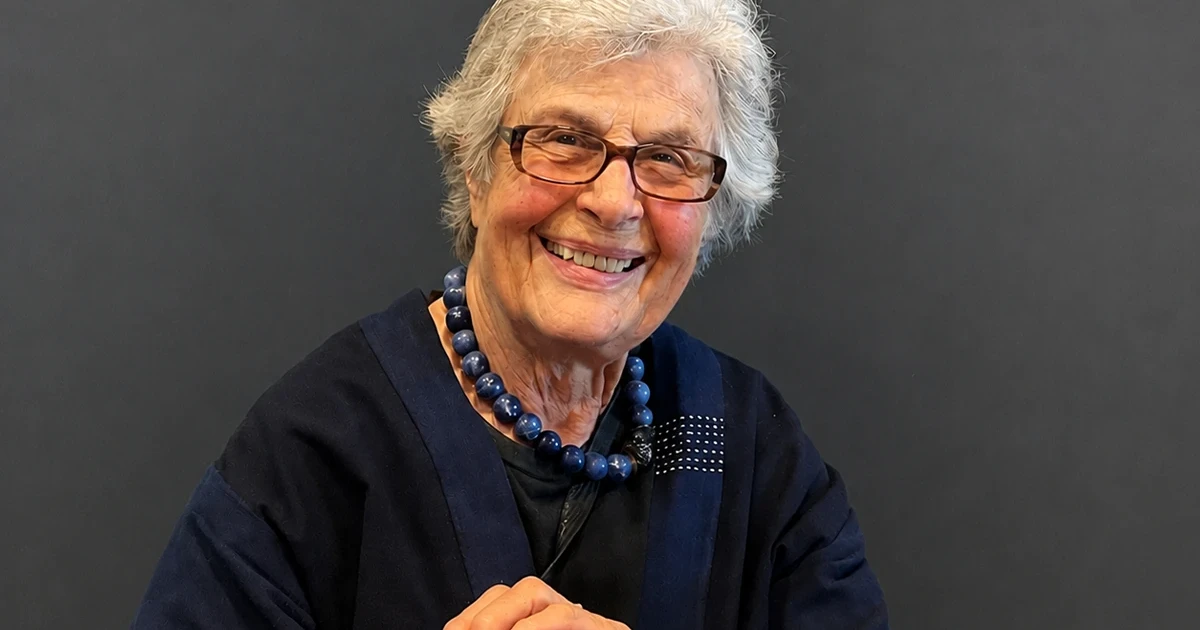
Colette Shulman arrived in Moscow two years after Joseph Stalin’s death, in 1955, and spent the next years documenting both the Kremlin’s shifting politics and the texture of daily Soviet life. Recruited by the American Embassy to the USSR while she was finishing coursework at Columbia University’s Russian Institute, she first taught at and directed the Anglo-American School in Moscow before Henry Shapiro invited her to join the United Press International bureau.
She reported under the pen name Colette Blackmoore because her maiden name, Schwarzenbach, was too long for a newspaper column. That practical choice accompanied a career built on access and observation. Shulman lived at Spaso House, the U.S. ambassador’s residence, where she met Nikita Khrushchev shortly after his denunciation of Stalin. Her writing moved between elite encounters and the lived consequences of Soviet rule, capturing the atmosphere of a country recovering from war and the aftermath of repression.
Shulman’s own account of the period emphasized how the Gulag began emptying after Stalin’s death in 1953 and how, from 1956 onward, hundreds of thousands returned. That shift was central to the world she described: a Soviet Union under Khrushchev’s relative liberalization, as McCarthyism also waned in the United States and cultural and journalistic exchanges widened. From 1956 onward, she worked as a journalist and public speaker on the Soviet Union and Russia, helping translate an opaque superpower into human terms for American readers.
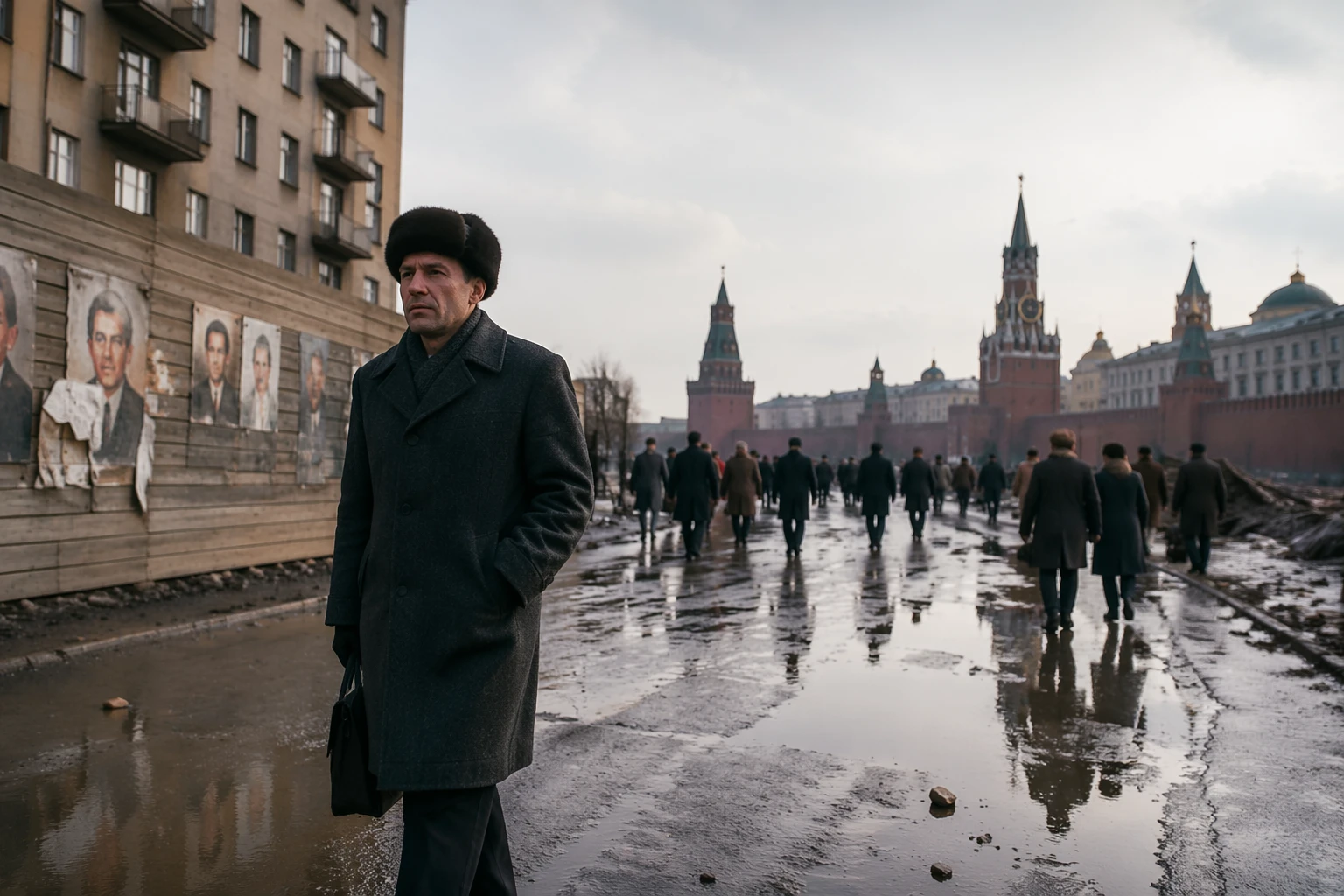
Her work extended far beyond the dispatches that came from Moscow. She was a former UPI reporter in Moscow, a writer and presenter of Soviet Press this Week in the 1960s, and the creator and editor of We/Myi, also described as Vy i My. That women’s magazine became an important resource for women building new civic organizations in Russia and other former Soviet republics. She later edited We the Russians: Voices from Moscow, served on the Council on Foreign Relations and the Harriman Institute National Advisory Council, and worked on U.S.-Russia dialogue and women’s groups through the 1980s, 1990s and 2000s.