Business
JPMorgan Confirms Closing Trump Accounts After Capitol Attack
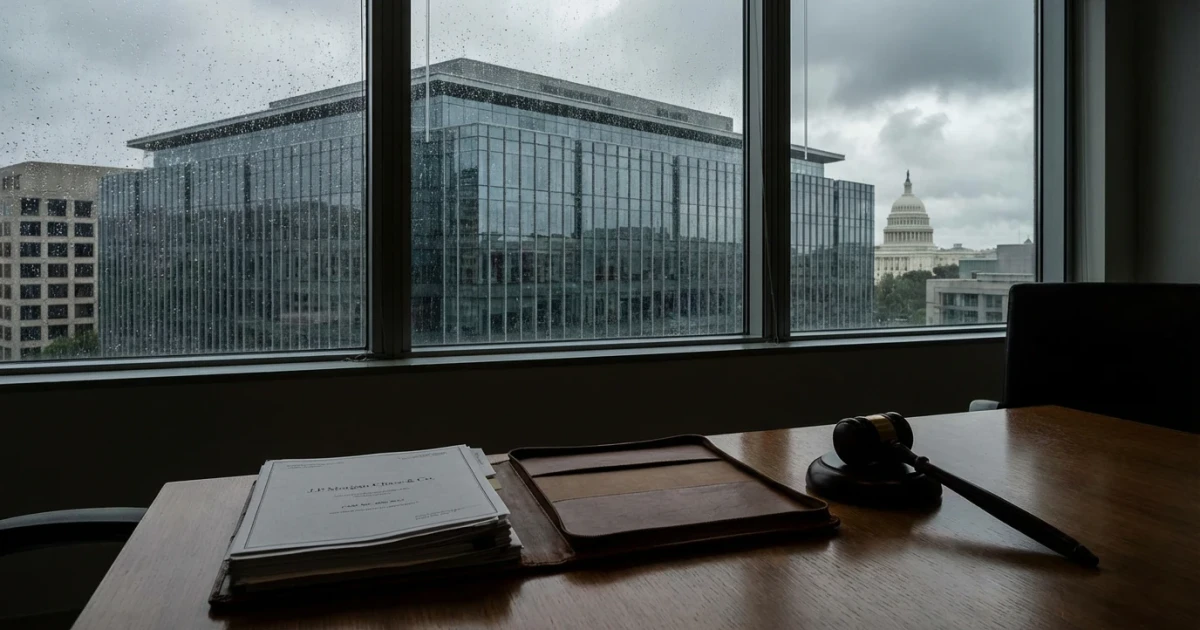
JPMorgan Chase has acknowledged that it closed accounts belonging to former President Donald Trump in the aftermath of the January 6, 2021 attack on the U.S. Capitol. The admission comes as the nation’s largest bank confronts a $5 billion lawsuit accusing it of politically motivated 'debanking' of Trump and his associated businesses, according to a report from Fortune.
The Account Closures and Their Timing
The bank’s confirmation marks the first public acknowledgment by JPMorgan that it shut down Trump’s accounts specifically because of the events on January 6. While reports had circulated for months about financial institutions reconsidering their ties to Trump and his organizations, the bank had previously declined to state the reasons for its actions. Now, as part of ongoing legal proceedings, JPMorgan has clarified that the decision was made in direct response to the Capitol riot, which led to widespread condemnation and a series of public and private sector actions against Trump’s business interests.
Details of the $5 Billion Lawsuit
The lawsuit, filed by Trump and several entities linked to him, alleges that JPMorgan’s action constituted an unlawful termination of banking services based on political beliefs. The suit seeks $5 billion in damages, claiming that the closures harmed Trump’s business operations and violated federal protections against discrimination. While the Fortune report does not provide details on the bank’s internal decision-making process, it notes that JPMorgan’s admission is a critical development in the ongoing legal battle.
- JPMorgan is the largest U.S. bank by assets, as confirmed by FDIC banking data.
- The account closures occurred in the weeks following the January 6, 2021 riot.
- Trump and his affiliated businesses are seeking $5 billion in damages for what they allege was political bias.
Broader Context: Debanking and Political Risk
The case has drawn national attention to the practice of account closures by major U.S. banks, sometimes referred to as "debanking." While banks routinely end client relationships for reasons ranging from regulatory compliance to reputational risk, critics argue that such actions—as in Trump's case—may undermine financial access based on political factors. The Fortune story highlights how, in the wake of the Capitol attack, several companies and financial institutions reassessed their ties to Trump, reflecting a broader trend of increased scrutiny for high-profile or controversial clients.
Official data from the Financial Crimes Enforcement Network (FinCEN) shows a steady rise in suspicious activity reports and account closures in recent years, though the majority are tied to anti-money laundering compliance rather than political activity. The Trump case, however, brings renewed focus on the intersection of finance, politics, and corporate risk management.
Regulatory and Legal Implications
JPMorgan’s actions and the ensuing lawsuit could have significant implications for banking regulation and the limits of corporate discretion. While banks are required to comply with a range of laws covering money laundering, terrorism financing, and sanctions—such as those outlined in recent DOJ settlements with JPMorgan—they also retain broad authority to manage risk and protect their reputations. The case could test whether account closures motivated by public events or political controversies could be construed as unlawful discrimination or protected business judgment.
For readers interested in the bank’s official disclosures on this and related matters, JPMorgan Chase SEC filings provide a record of material legal actions and risk factors faced by the institution.
What Happens Next
The outcome of the case could set precedents for how banks handle politically exposed clients and the standards for account closures in the U.S. financial system. As the lawsuit proceeds, stakeholders across the political and business spectrum are watching closely. The controversy highlights the challenges banks face in balancing regulatory obligations, reputation management, and claims of political neutrality in an increasingly polarized landscape.