Entertainment
JR turns Paris’ Pont Neuf into a sensory cave installation
Paris’ oldest bridge spent weeks looking as if it had been swallowed by a black mountain, then opened as something stranger: a walk-through cave of printed fabric, air, smell and sound. JR’s La Caverne du Pont Neuf / The Pont Neuf Cave turned the 17th-century crossing into a temporary public artwork that asked Parisians to experience one of the city’s most familiar routes as if it were newly discovered.
The installation opened to the public on June 15 and ran through June 28, 2026, with access free at all hours. The bridge, which spans about 120 meters, was completely closed to pedestrians, cyclists and motorists during the project. Financed through private sponsorship and sales of JR’s works, the installation drew no public funding, making it as much an argument about who pays for civic spectacle as about what that spectacle looks like.
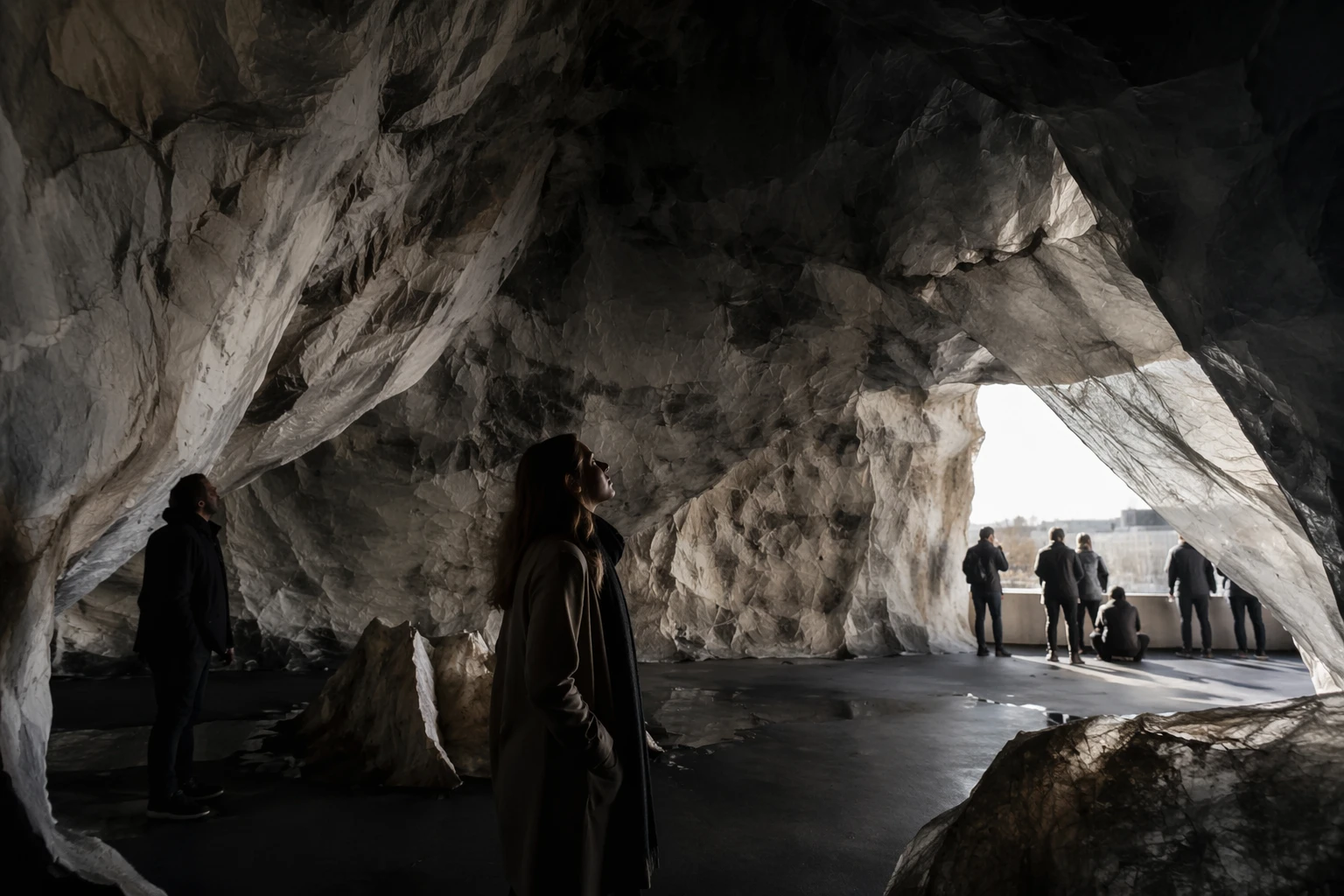
Inside, the effect was deliberately immersive. Visitors moved from the bright riverfront into a darker space where the air carried the smell of wet soil, damp stone, cellar walls and a faint trace of smoke. Olfactory expert Sarah Bouasse built the scent environment around compounds associated with rain-soaked earth, while Thomas Bangalter, formerly of Daft Punk, supplied an electro-acoustic soundscape of rumbles, echoes and low pulses that seemed to breathe through the walls. The result made the bridge feel less like a passage and more like a constructed interior, one designed to slow footsteps and sharpen attention.
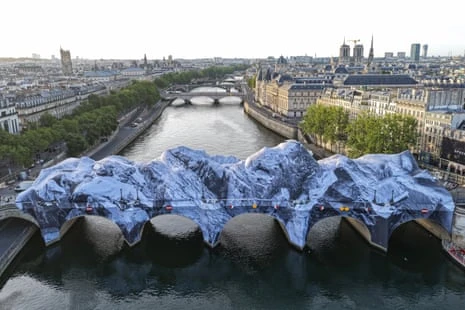
That sensory choreography was also the project’s political and cultural point. JR, often called the French Banksy, framed the work as a tribute to Christo and Jeanne-Claude, whose 1985 wrapping of Pont Neuf transformed the same landmark into a global attraction. Their project used about 41,800 meters of fabric, 13 kilometers of rope and 12 tons of steel, and drew an estimated 3 million visitors over two weeks. JR’s installation echoed that precedent while shifting the emphasis from wrapping to immersion.
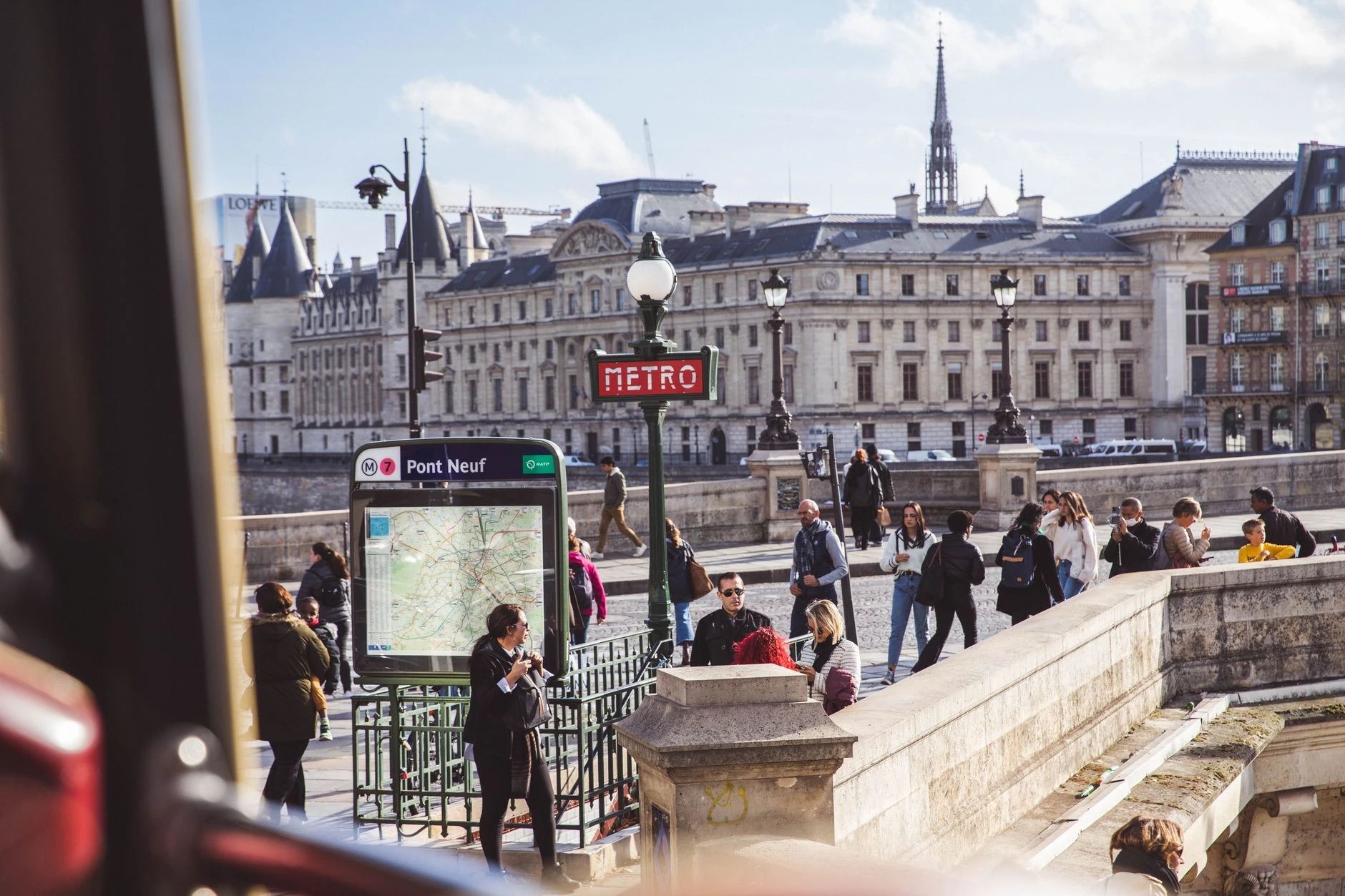
The question it leaves behind is whether such large-scale public art broadens access to culture or mainly amplifies tourism and social-media circulation. For a few weeks, Pont Neuf stopped functioning as a straightforward bridge and became a destination in its own right, one that made people notice the stones underfoot, the scent in the air and the city around them. That change in behavior may be the project’s most durable effect, even after the fabric comes down.
Sources
- [1]usnews.com
- [2]jr-art.net
- [3]lacavernedupontneuf.net
- [4]parisjetaime.com
- [5]archdaily.com
- [6]parisselectbook.com
- [7]france24.com
- [8]sortiraparis.com