Politics
Judge allows release of Biden recordings, pauses ruling for appeal
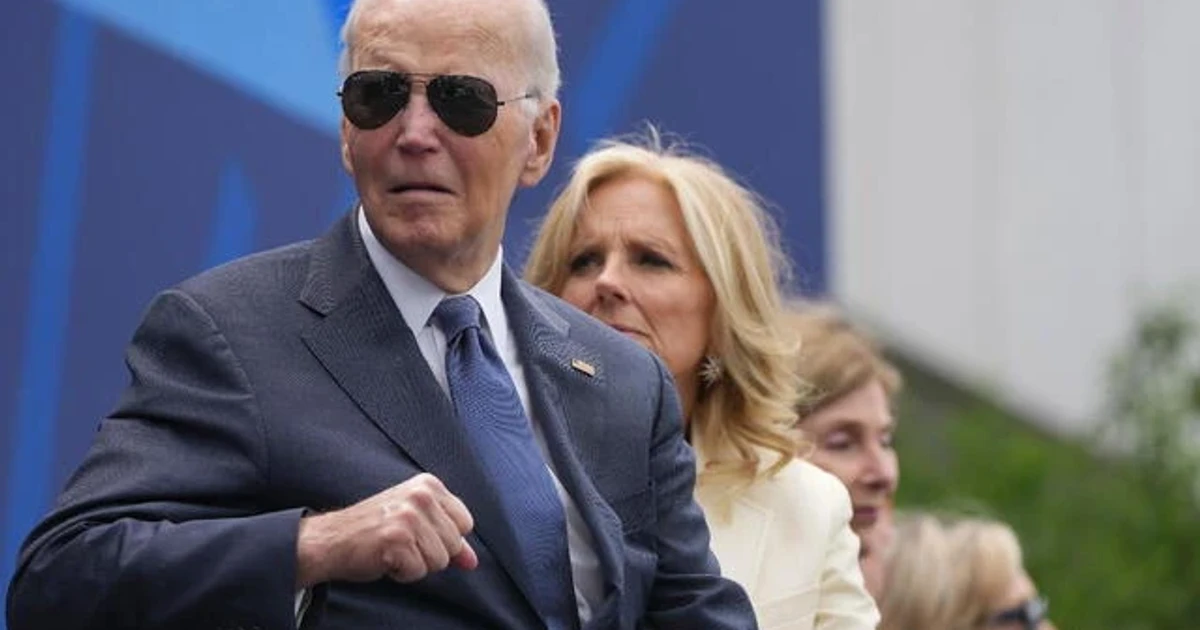
A federal judge ruled that roughly 70 hours of Joe Biden’s recorded conversations with biographer Mark Zwonitzer can be released, then put the order on hold for three weeks so Biden’s lawyers can ask the D.C. Circuit to intervene. The decision turns a private memoir project into a test of how far the government can go in exposing politically sensitive records after an administration changes hands.
U.S. District Judge Dabney Friedrich rejected Biden’s request to block disclosure, saying the public interest in the materials outweighed his privacy claims. She also said the Justice Department’s redactions undercut the argument for secrecy, noting after an in camera review that the redacted recordings and transcripts contain no information about Biden’s family or other private persons. Biden had argued that release would invade his privacy and cause irreversible harm, including because the recordings touched on painful personal matters.
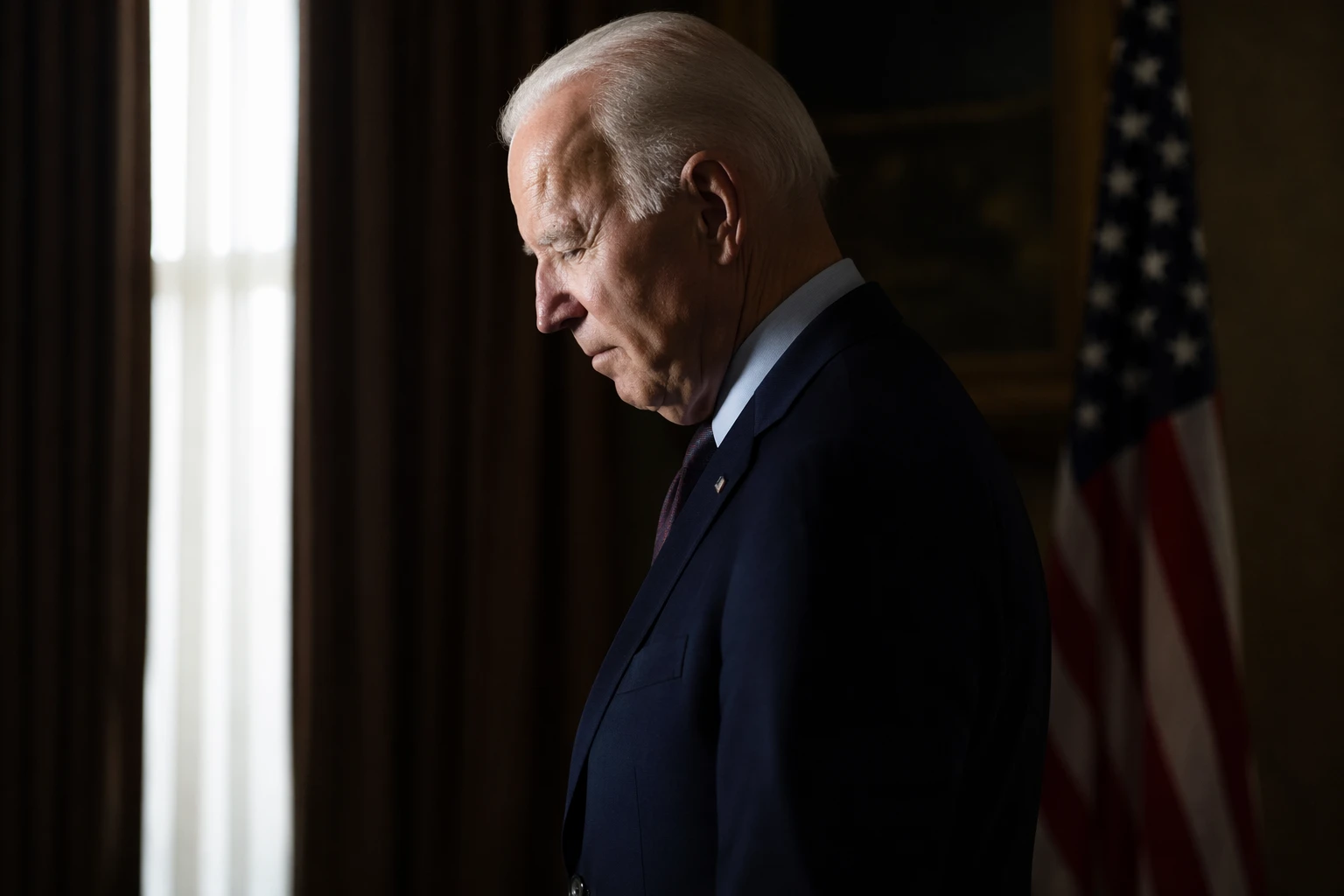
The records were made in 2016 and 2017 for Biden’s memoir, Promise Me, Dad: A Year of Hope, Hardship, and Purpose. They were later pulled into special counsel Robert Hur’s investigation into Biden’s handling of classified documents, and Hur’s final report declined to bring criminal charges. The report also described Biden as an “elderly man with a poor memory,” a judgment that has kept the underlying evidence at the center of a broader political fight over Biden’s record, his presidency and the use of investigative materials once a case is closed.
The Heritage Foundation filed its FOIA request in March 2024 after Hur cited the recordings in his report. That request shifted the fight from an internal records dispute to a separation-of-powers clash over access, with executive branch confidentiality on one side and prosecutorial transparency on the other. The administration’s handling of the tapes also drew congressional scrutiny last year, when House Republicans pressed for the same material and the House voted 216-207 to hold Attorney General Merrick Garland in contempt for refusing to turn it over. The Justice Department later said Garland would not be prosecuted because the refusal to provide the audio did not constitute a crime.

Biden’s lawyers immediately sought an injunction pending appeal, arguing that once the recordings are released, the privacy loss cannot be undone. Friedrich’s three-week stay was designed to give the D.C. Circuit a chance to weigh that request before the redacted material is turned over. If the appeal fails, the recordings could move from a closed investigative file into the public record, setting an important precedent for what survives executive privilege claims when politically charged evidence outlives the administration that produced it.
Sources
- [1]usnews.com
- [2]cbsnews.com
- [3]politico.com
- [4]abcnews.com
- [5]justice.gov