Politics
Judge allows release of redacted Biden ghostwriter tapes to Heritage Foundation
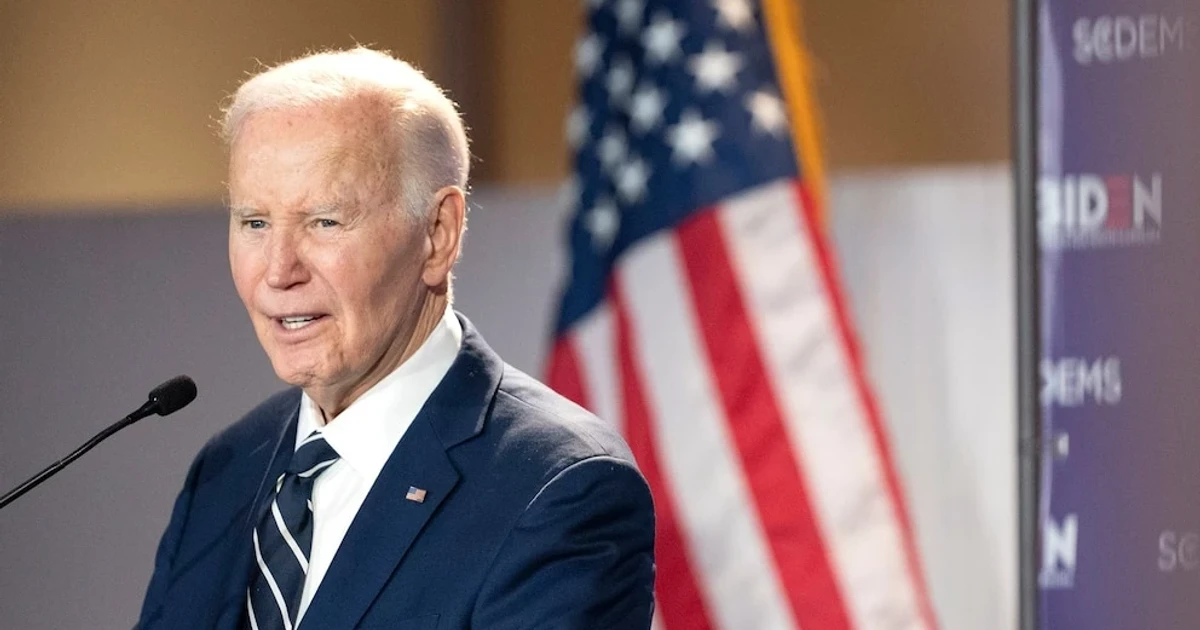
A federal judge allowed the Justice Department to turn over redacted recordings and transcripts of Joe Biden’s conversations with his ghostwriter, putting the clash between executive privacy and government transparency at the center of a fight now headed toward appeal. The materials include Biden’s 2016 and 2017 interviews with Mark Zwonitzer, recorded for the memoir Promise Me, Dad: A Year of Hope, Hardship, and Purpose, and they sit at the heart of a special counsel record that has become far bigger than a records dispute.
The Heritage Foundation sought the material in a March 2024 Freedom of Information Act request aimed at records special counsel Robert Hur relied on in his report on Biden’s handling of sensitive government records. Hur’s report quoted the tapes as showing Biden’s “diminished faculties and faulty memory” and described the interviews as “painfully slow,” saying Biden struggled to remember events and read notebook entries. In a 26-page decision, U.S. District Judge Dabney Friedrich said the Justice Department’s “extensive redactions” reduced Biden’s privacy interest and that FOIA’s broad-disclosure rules tipped the balance toward release.
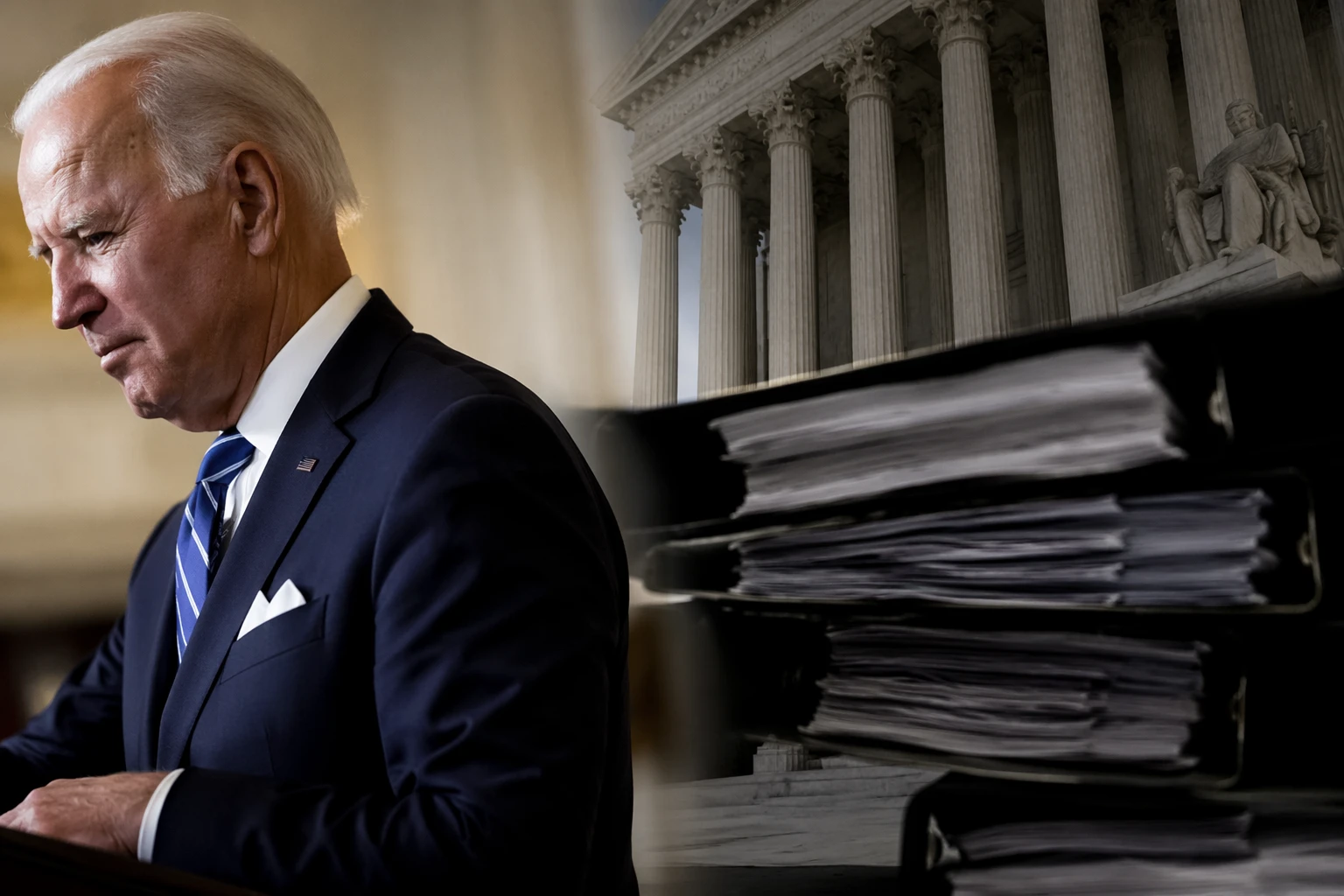
The government had agreed to hold the material until 5 p.m. Friday, but after Friedrich’s ruling Biden’s lawyers sought emergency relief. Friedrich then granted a temporary injunction pending appeal and said it would remain in place for three weeks, giving the U.S. Court of Appeals for the D.C. Circuit time to act. That delay keeps the records sealed for now even as the judge has already ruled that a redacted release may proceed.
Biden filed suit against the Justice Department in May 2026 to block disclosure, arguing that private conversations obtained through a criminal investigation should not be made public and that the harm from disclosure cannot be undone. The case also overlapped with a broader push from Capitol Hill: House Judiciary Committee Chair Jim Jordan requested the same materials in March 2026, and committee lawyers later argued that Biden was only a “third-party actor” with no standing to stop release.


The ruling left intact a key principle with implications beyond Biden’s memoir tapes. It signaled that once special-counsel evidence is heavily redacted, courts may treat privacy claims as diminished and favor disclosure when FOIA’s public-interest rationale is strong, a precedent that could shape future fights over presidential records and investigative files.
Sources
- [1]abcnews.com
- [2]cbsnews.com
- [3]lawandcrime.com
- [4]justice.gov
- [5]politico.com