Sports
Judge allows UFC event on White House South Lawn to proceed
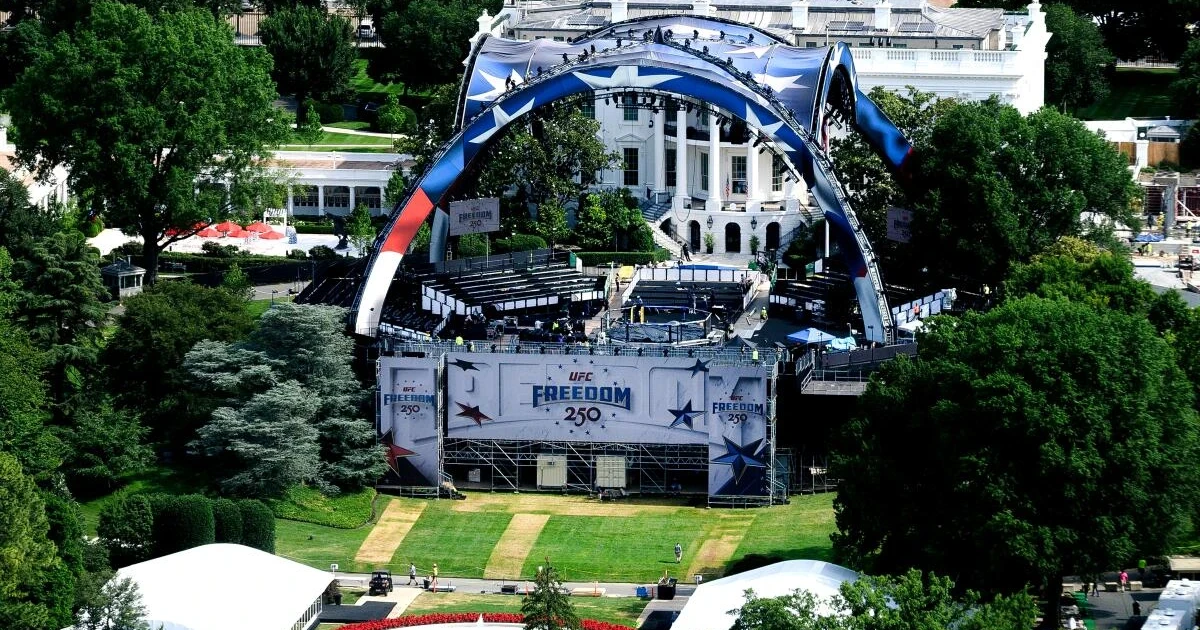
A federal judge cleared the Ultimate Fighting Championship’s planned event on the White House South Lawn to go forward, preserving a spectacle that blends federal property, presidential symbolism and corporate fight-night promotion. U.S. District Judge Amit P. Mehta rejected the request to stop UFC Freedom 250, leaving the card set for Sunday, June 14, 2026, with fans also expected at the nearby Ellipse.
The lawsuit was filed by the Public Integrity Project on behalf of two Virginia residents, identified in reporting as a political activist and a Vietnam War veteran. It argued that the Trump administration improperly used an America 250 temporary rule to get around normal permitting requirements on National Park Service land, skipped an environmental review and allowed a private, for-profit sports event to use public property for the benefit of President Donald Trump and his allies. The filing asked the court to declare the June 14 event unlawful.
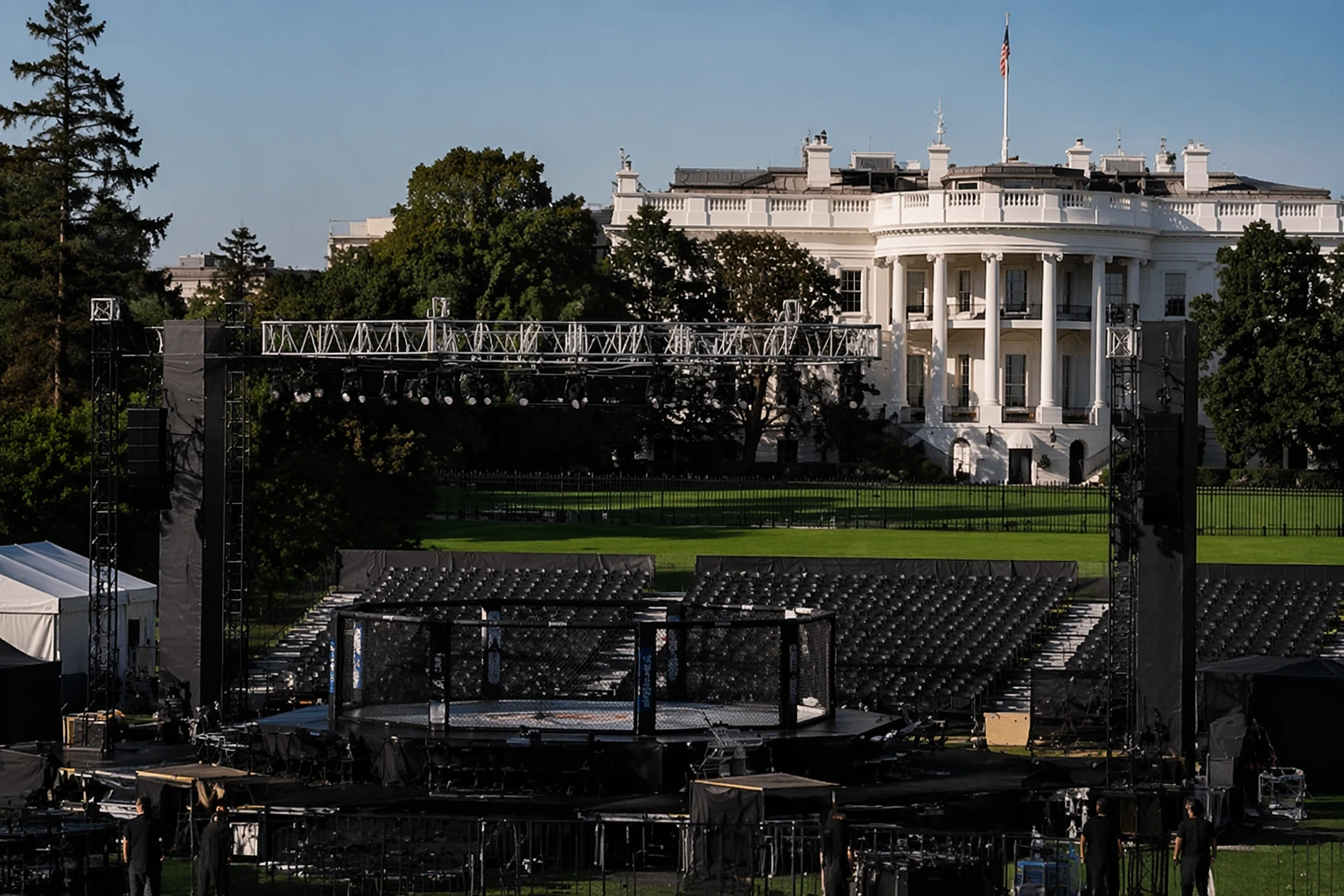
The stakes extend beyond one fight card. UFC Freedom 250 is being billed as a celebration of the 250th birthday of the United States, and it lands on Trump’s 80th birthday and Flag Day. UFC’s official card lists Ilia Topuria against Justin Gaethje for the lightweight title in the main event, with Alex Pereira facing Ciryl Gane for an interim heavyweight title in the co-main event. The event is being presented by Crypto.com and RAM, and Crypto.com said it would create a $1 million bonus pool for selected fighters, paid in CRO.
Preparations on the South Lawn were already visible before the ruling, including an elaborate structure reported to have been built on the grounds, with plaintiffs objecting to a 600-ton steel arch that they said should have undergone environmental review. The White House also promoted the event with a video page titled UFC Fight Night on the South Lawn, signaling how fully the administration had embraced the branding around the card.
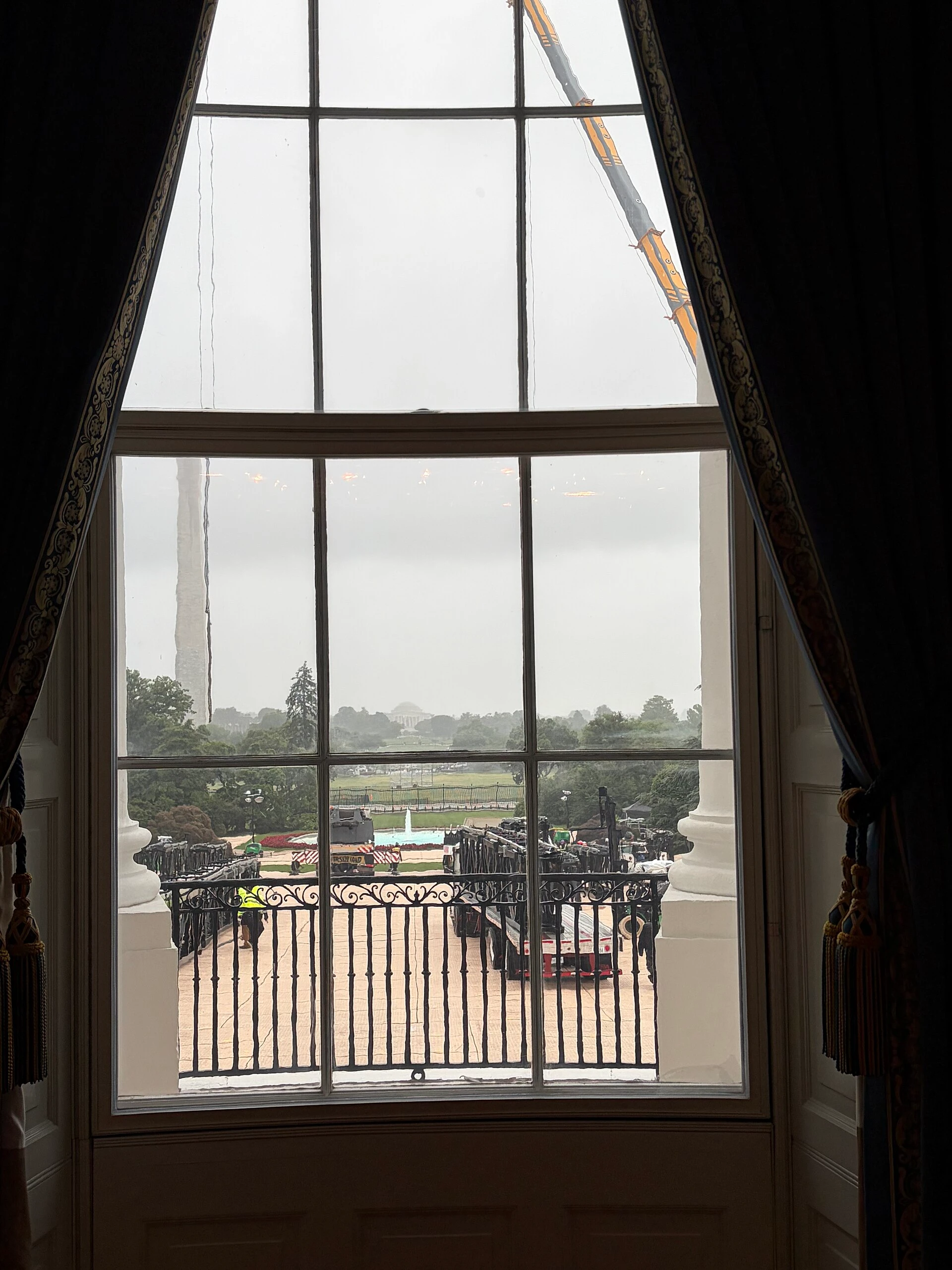
Mehta’s decision does not settle the larger institutional question the case raised. It leaves intact a rare use of one of the nation’s most recognizable ceremonial spaces for a private combat-sports event, and it shows how far a president can push the boundary between official space, political theater and private entertainment before a court steps in to stop it.
Sources
- [1]cbsnews.com
- [2]abcnews.com
- [3]ufc.com
- [4]whitehouse.gov
- [5]usnews.com